




The United States has reduced the Section 301 tariff rate applicable to Sri Lanka to 10%, following the country's decision to ban the import of goods produced using forced labour.
The revised tariff was announced through an executive directive issued under Section 301 of the Trade Act of 1974, lowering Sri Lanka's additional tariff from the standard 12.5% applied to economies that have not introduced similar import prohibitions.
In a statement published by the White House, US President Donald Trump said Sri Lanka was among a group of countries—including Cambodia, Guatemala, Honduras, India, and Trinidad and Tobago—that had implemented forced labour import bans after consultations with the United States.
According to the statement, the reduction to a 10% tariff is intended to encourage these countries to effectively enforce prohibitions on imports linked to forced labour.
The new 10% Section 301 tariff is an additional duty imposed on top of existing US import tariffs rather than replacing them.
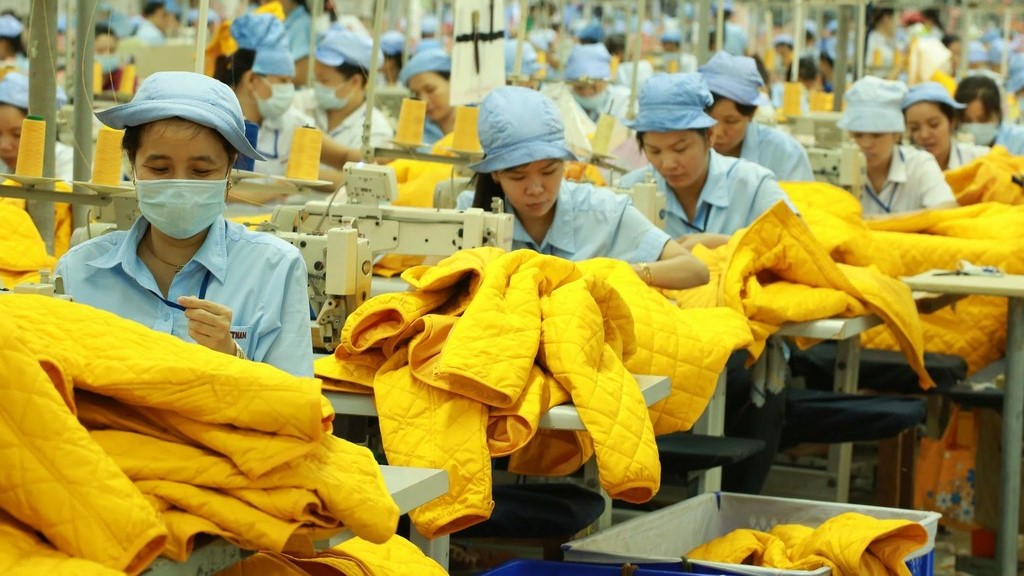
For Sri Lanka's largest export sector—garments and apparel—existing Most-Favoured-Nation (MFN) tariffs average around 16.5%, with some product categories attracting duties of 20% to 24%. With the additional Section 301 tariff, the effective combined tariff on Sri Lankan apparel exports will rise to an average of approximately 26.5%.
Other key export products, including rubber-based goods, which currently face MFN duties of between 2% and 5%, will now be subject to combined tariff rates ranging from 12% to 15%.
Although Sri Lanka secured a lower Section 301 rate than the default level, it remains within the standard additional-duty category alongside countries such as India, Bangladesh, Pakistan, and the United Kingdom, rather than benefiting from special tariff ceilings granted to certain other jurisdictions.
The United States continues to be Sri Lanka's largest export market. During the first half of 2026, Sri Lanka exported goods worth US$1.44 billion to the US, representing 20.31% of the country's total merchandise exports of US$7.07 billion, highlighting the importance of the American market to Sri Lanka's export economy.
JICA Strengthens Sri Lanka’s Water Security Through Anuradhapura Water Supply Project
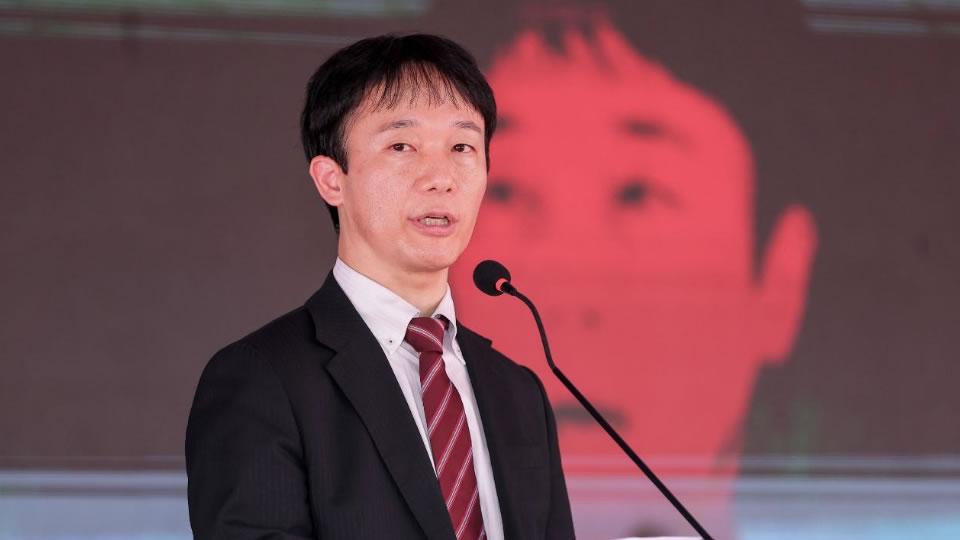
The Japan International Cooperation Agency (JICA) has reaffirmed its long-standing commitment to Sri Lanka's water security with the launch of the Anuradhapura North Water Supply Project – Phase II, the country's second-largest ongoing water supply project.
Implemented in partnership with the Ministry of Housing, Construction and Water Supply and the National Water Supply & Drainage Board (NWSDB), the project is expected to strengthen access to safe and reliable drinking water while enhancing water infrastructure in the Anuradhapura District.
A ceremonial groundbreaking for the project was held on 10 July in Kebithigowella, attended by President Anura Dissanayake, Kamoshida Naoaki, Chargé d’Affaires ad interim of Japan to Sri Lanka, and Kuronuma Kenji, Chief Representative of the JICA Sri Lanka Office.
Reaffirming Japan's continued support for Sri Lanka, JICA said the initiative reflects the strong partnership between the two countries and its commitment to supporting Sri Lanka's economic recovery, sustainable development, and the well-being of its people.
JICA also emphasized its commitment to ensuring the successful and timely completion of the project, noting that the initiative will contribute to building a healthier, more resilient, and water-secure future for the people of Anuradhapura while improving access to essential water services for local communities.
Sri Lanka Secures Lower 10% US Tariff Rate Following Forced Labour Import Ban