

MSI, a global leader in gaming and productivity laptops, has introduced the Cyborg 15 Black Edition A13V to the Sri Lankan market while highlighting the Modern 15 F1M as one of its top recommendations for students and professionals seeking a reliable laptop upgrade ahead of the new academic year.
The launch expands MSI’s local portfolio with two laptops designed to meet different user needs. While the Cyborg 15 Black Edition targets gamers, content creators and power users, the Modern 15 F1M offers a lightweight, productivity-focused solution for everyday study, office work and mobile computing.
Cyborg 15 Black Edition Designed for Performance and Style
The MSI Cyborg 15 Black Edition A13V introduces a bold all-black design to the Cyborg series, combining cyberpunk-inspired aesthetics with powerful hardware in a slim and portable form factor.
Weighing just 1.98kg and measuring 21.95mm thick, the laptop is designed for students who want gaming-level performance without the bulk traditionally associated with gaming laptops.
Its premium aluminium top cover, industrial-inspired styling and distinctive all-black finish are complemented by neon-highlighted WASD keycaps, futuristic keyboard accents and detailed cybernetic-inspired design elements throughout the chassis.
Under the hood, the laptop is powered by an Intel® Core™ i7-13620H 10-core processor paired with an NVIDIA® GeForce RTX™ 4050 Laptop GPU with 6GB GDDR6 memory, enabling users to handle gaming, creative applications, AI-powered workloads and everyday multitasking with ease.
The graphics processor also supports DLSS 3 and ray tracing, delivering enhanced gaming performance and improved visual quality in supported titles.
Modern 15 F1M Built for Everyday Productivity
Alongside the gaming-focused Cyborg model, MSI continues to position the Modern 15 F1M as an ideal choice for students and professionals seeking a dependable laptop for lectures, assignments, remote work and business applications.
Recognised for its slim design, portability and comprehensive connectivity options, the Modern 15 F1M provides a practical balance between performance, mobility and everyday productivity, making it well suited for campus life and hybrid working environments.
Meeting Diverse Student Needs
With the new academic year approaching, MSI says the Cyborg 15 Black Edition and Modern 15 F1M address two of the most common requirements among laptop buyers—high-performance computing for gaming and creative work, and a lightweight, versatile device for study and professional use.
By offering solutions tailored to different lifestyles and workloads, MSI aims to provide Sri Lankan students and professionals with laptops that combine performance, portability and modern design while supporting the growing demands of education, content creation and digital productivity.
Yamaha Unveils New Flagship Concept Showroom in Borella
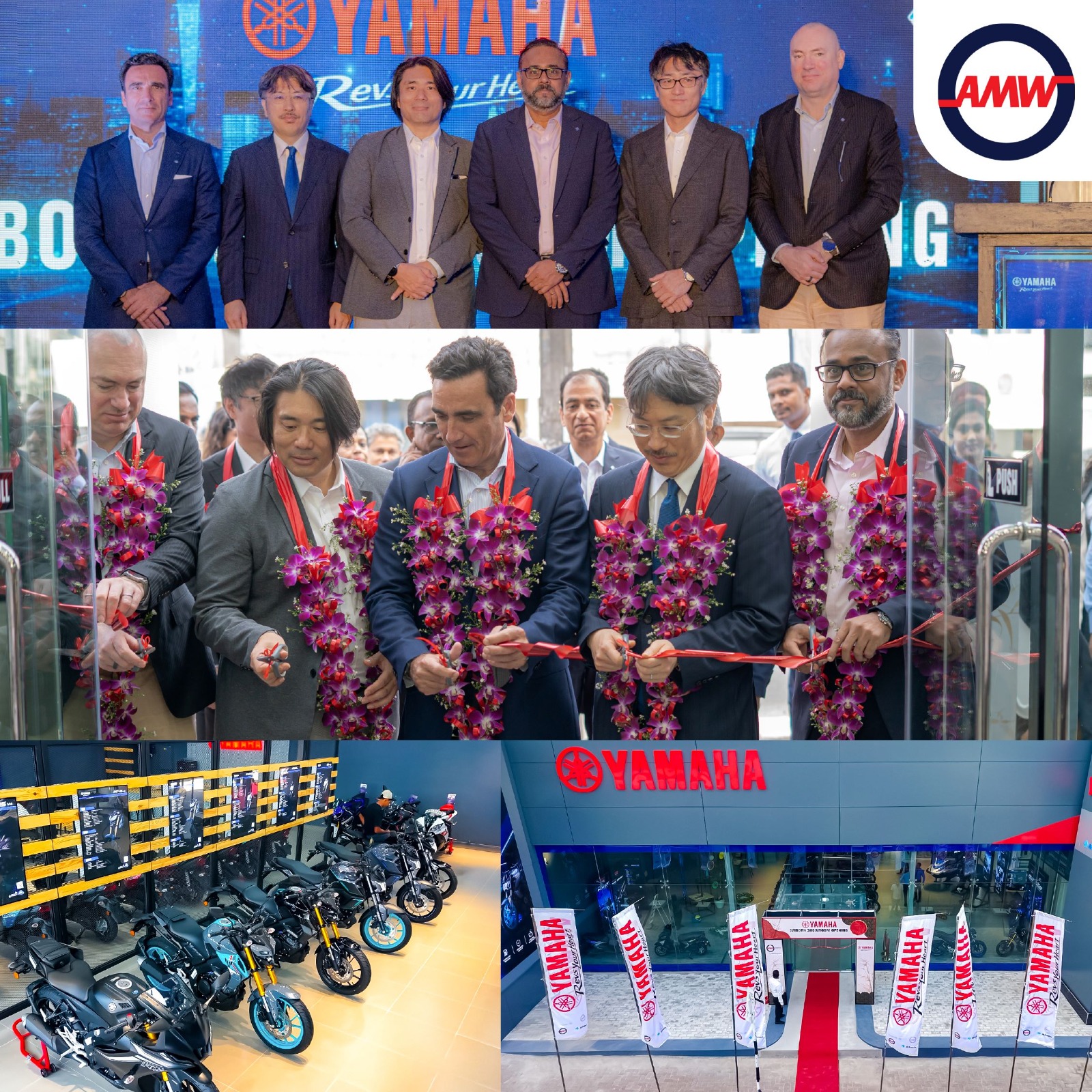
Associated Motorways (Private) Limited (AMW), the official distributor of Yamaha in Sri Lanka, has unveiled Yamaha’s flagship Concept Showroom in Borella, marking a significant milestone as the globally renowned brand celebrates 45 years in the country. The new showroom introduces a modern retail concept that brings Yamaha’s complete product portfolio together under one roof, offering customers an enhanced and immersive brand experience.
The newly transformed Borella showroom reflects Yamaha’s global retail identity, combining contemporary design with customer-centric features to create a destination that goes beyond a traditional vehicle showroom. Customers can explore Yamaha’s extensive range of motorcycles, scooters, Outboard Motors (OBM), water vehicles, genuine spare parts, accessories, and official Yamaha merchandise in a single, integrated location.
Speaking at the opening, a representative of the Yamaha Marketing Team at Associated Motorways (Private) Limited said, “The new Borella Concept Showroom represents the Yamaha experience we aspire to deliver to every customer. It is more than a place to purchase a motorcycle or scooter—it is a destination where customers can connect with the entire Yamaha brand. As we continue to strengthen our presence in Sri Lanka, we remain committed to creating retail spaces that reflect the quality, innovation, and reliability that Yamaha is known for worldwide.”
The grand opening ceremony welcomed a distinguished gathering of local and international dignitaries, including Naoaki Kamoshida, Chargé d’Affaires ad interim of Japan to Sri Lanka at the Embassy of Japan; Jorge Navea, Chief Executive Officer – Automotive, Al Futtaim; Antoine Barthes, Vice President – Automotive, Al Futtaim; Hajime Aota, Chairman of Yamaha Motor India Group; Toshiro Yagi, Executive General Manager of Yamaha Motor Company; Hideki Yamanaka, Group Manager of Yamaha Motor Company; Jawahar Ganesh, Managing Director of Associated Motorways (Private) Limited; and Sri Lankan motorsport icon Dilantha Malagamuwa.
Visitors to the new showroom can experience Yamaha’s complete lineup, from high-performance motorcycles such as the FZ, R15, and MT-15 to practical scooters including the RayZR. The facility also showcases Yamaha’s marine products, genuine spare parts, accessories, and branded merchandise, allowing customers to discover the full Yamaha ecosystem while benefiting from expert advice and comprehensive after-sales support.
Built in accordance with Yamaha’s international retail standards, the flagship Concept Showroom features a spacious and contemporary layout designed to provide a comfortable, interactive, and immersive customer journey. Every aspect of the showroom has been developed to strengthen customer engagement while highlighting Yamaha’s commitment to innovation, quality, and service excellence.
The opening of the Borella Concept Showroom marks the beginning of a new chapter for Yamaha in Sri Lanka, reaffirming the brand’s long-term investment in the local market and its commitment to delivering an elevated ownership experience for customers across the island.
MSI Introduces Cyborg 15 Black Edition and Modern 15 F1M as Top Laptop Choices for Students in Sri Lanka This Summer