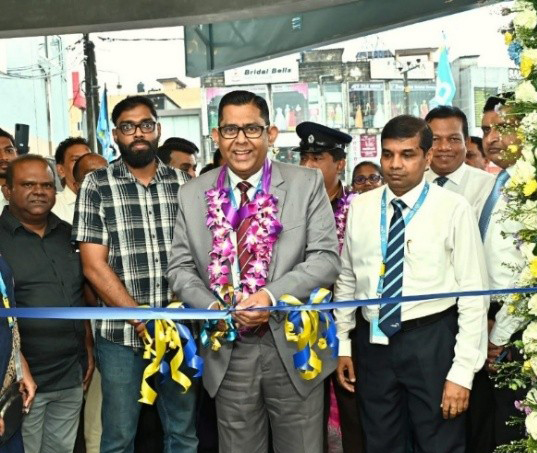





HNB PLC, Sri Lanka’s leading private sector bank, has opened its newly relocated Homagama Customer Centre at No. 01, High Level Road, Homagama, strengthening its commitment to providing customers with modern banking facilities, enhanced convenience and innovative digital solutions.
The newly relocated Customer Centre was ceremonially declared open by HNB Managing Director/CEO Damith Pallewatte, together with Executive Vice President/Head of Network Business Supun Dias, Divisional Secretary of Homagama B. A. D. Chinthaka, Regional Business Head – Greater Colombo South Region Lasitha Ranatunga, Homagama Branch Manager Chandima Gunawardhana, senior HNB representatives and valued customers.
Speaking at the opening, HNB Managing Director/CEO Damith Pallewatte highlighted Homagama’s growing importance as both a residential and commercial centre.
“Homagama has evolved into a vibrant and dynamic community with significant potential as both a residential destination and a thriving commercial centre. As the needs and expectations of our customers continue to evolve, we have invested in this modern Customer Centre to provide a more convenient, personalised, and seamless banking experience,” he said.
He added that the new facility reflects HNB’s commitment to supporting customers’ ambitions and helping them achieve their financial goals through trusted banking solutions and dedicated service.
Commenting on the relocation, HNB Executive Vice President/Head of Network Business Supun Dias said the Bank considers every customer interaction an opportunity to deliver greater value and convenience.
“At HNB, we view every customer interaction as an opportunity to create greater value and convenience. The relocation of our Homagama Customer Centre underscores our commitment to making banking more accessible, efficient, and aligned with the evolving expectations of our customers,” he said.
He further noted that the new centre brings together modern facilities, digital innovation and the expertise of HNB’s people to provide customers with a seamless banking experience throughout their financial journey.
The relocated Homagama Customer Centre forms part of HNB’s ongoing efforts to modernise its physical banking network while integrating digital solutions to meet the changing needs of customers across Sri Lanka.
Adaptive Resilience: Malwatte Valley Harnesses Technology and Innovation to Transform Plantation Productivity
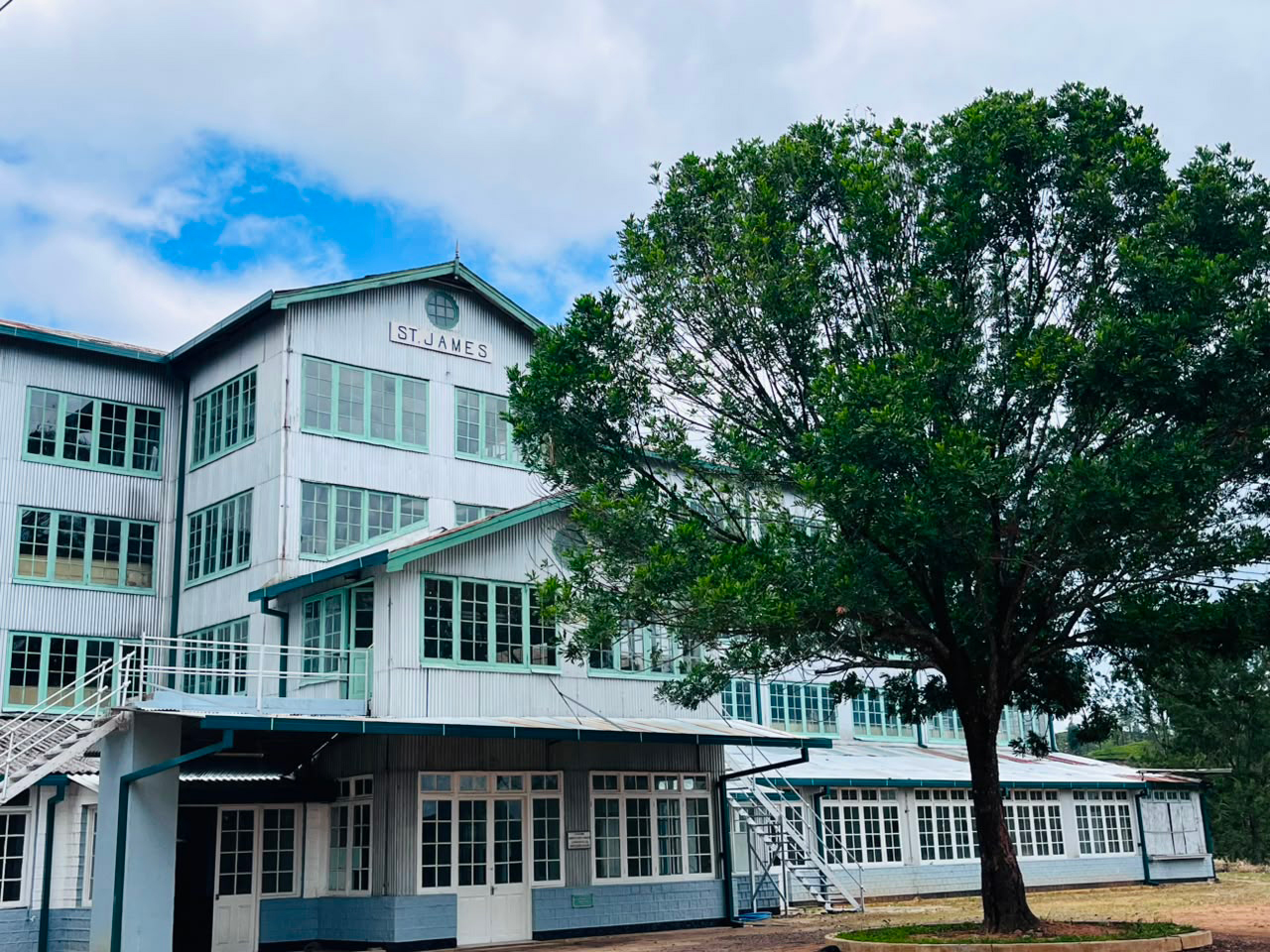
Sri Lanka’s plantation industry has long been a cornerstone of the national economy, with tea playing a particularly important role in the sector. For Regional Plantation Companies (RPCs) such as Malwatte Valley Plantations PLC, the industry’s strength is closely linked to the unique characteristics of the land, climate and traditional expertise that shape their products.
Malwatte Valley’s teas benefit from a distinctive terroir influenced by soil conditions, elevation and the dry winds that move through the Uva region. These characteristics contribute to a mellow, smooth and highly aromatic flavour profile that has earned the company recognition among international tea buyers and connoisseurs.
However, like agricultural businesses globally, Malwatte Valley faces an increasingly complex operating environment. Rising costs, crop diseases, climate change and fluctuations in international markets are creating new challenges for plantation companies and forcing them to rethink traditional approaches to agriculture.
With estates spanning the Uva Province and low-country areas around Avissawella, Malwatte Valley has built a reputation over decades for producing Ceylon tea, rubber and spices, while expanding into a growing portfolio of value-added agricultural products.
The company exports its products to markets across the Middle East, Europe, Russia, China, Australia and Japan, and ranks among Sri Lanka’s top 20 tea exporters. Increasingly, however, its competitive advantage extends beyond the quality of its products to include a more modern and adaptive approach to plantation management.
Responding to Climate Change
Climate change has become one of the key factors driving this transformation. In Malwatte Valley’s low-country areas around Avissawella, annual rainfall has increased to between 7,000 and 10,000 millimetres, creating conditions that have made traditional rubber cultivation increasingly difficult.
The spread of Pestalotiopsis Leaf Fall Disease (PLFD) further intensified the challenge, ultimately making conventional rubber cultivation unviable in parts of the region.
Rather than allowing these challenges to undermine the productivity of its land, Malwatte Valley responded by diversifying its agricultural portfolio.
The company has moved into cinnamon cultivation across approximately 400 hectares, while establishing 300 hectares of new tea plantations, with a supporting factory currently under construction. It has also introduced tropical fruit crops, including rambutan and durian, as part of its diversification strategy.
This shift reflects a broader approach to plantation management in which land use is increasingly determined by changing climatic conditions, market opportunities and the long-term productivity potential of individual estates.
Learning from Setbacks
The transformation has not been without challenges. An earlier attempt to diversify into oil palm was halted following a regulatory reversal, resulting in the company having to abandon nursery stock and work valued at approximately Rs. 100 million.
Despite the setback, Malwatte Valley absorbed the loss and reassessed its approach to diversification. The experience ultimately encouraged the company to take a more considered approach to identifying crops that are compatible with changing environmental conditions and the capabilities of its land.
Today, this adaptive mindset is becoming increasingly important to the company’s plantation strategy. By combining traditional agricultural expertise with diversification, technology and innovation, Malwatte Valley is seeking to build greater resilience against climate-related risks while maintaining the quality and international reputation of its products.
The company’s evolving approach demonstrates how Sri Lanka’s plantation sector can respond to a rapidly changing agricultural environment by moving beyond traditional crop models and embracing more flexible, technology-driven and sustainable methods of production.
HNB Relocates Homagama Customer Centre to Enhance Banking Convenience and Digital Experience