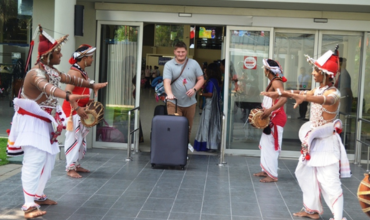





Sri Lanka’s tourism sector showed signs of stabilisation in July, with international tourist arrivals declining by just 1.7% year-on-year (YoY), as strong growth from India helped offset continued weakness in several Western markets amid the lingering effects of earlier aviation disruptions.
Sri Lanka welcomed 196,845 international visitors in July, compared with 200,244 arrivals recorded during the same month last year. Although the decline marked another month of negative YoY growth, it represented a significant improvement compared with the sharper contractions experienced during the second quarter.
Tourist arrivals fell 19.7% YoY in March to 183,979 and declined a further 22.3% in April to 135,643, before showing signs of recovery in May. However, the momentum weakened again in June, when arrivals dropped 9.9% to 124,551, compared with 138,241 visitors in the corresponding month of the previous year.
The downturn was largely linked to disruptions across international aviation networks following the escalation of the Middle East conflict earlier this year. Airspace restrictions and flight cancellations at major Gulf transit hubs affected travel flows, particularly for European and other long-haul travellers relying on the region as a key gateway to Sri Lanka.
While aviation disruptions have eased in recent weeks, their effects continue to be reflected in softer visitor numbers from several traditional Western source markets.
India once again emerged as Sri Lanka’s largest and fastest-growing tourism market in July. Arrivals from India increased 20% YoY to 44,547, up from 37,128 visitors in July 2025. The strong performance provided an important buffer against weaker demand from several European markets.
The UK, meanwhile, recorded a 7% decline in arrivals to 21,834, while the Netherlands experienced one of the sharpest contractions, with arrivals falling 19.7% to 12,493. France also recorded an 8.7% decline, with 10,102 visitors arriving during the month.
China, another key source market for Sri Lanka, saw a more moderate decline of 5%, with arrivals easing to 12,336 from 12,982 in July last year.
The July figures suggest that Sri Lanka’s tourism sector is beginning to regain stability following the significant disruptions experienced earlier in the year. Strong performance from regional markets, particularly India, continues to play an increasingly important role in supporting visitor volumes as traditional long-haul markets gradually recover.
Delft Island to Transform into Sri Lanka’s First Zero-Emission Eco-Tourism Destination
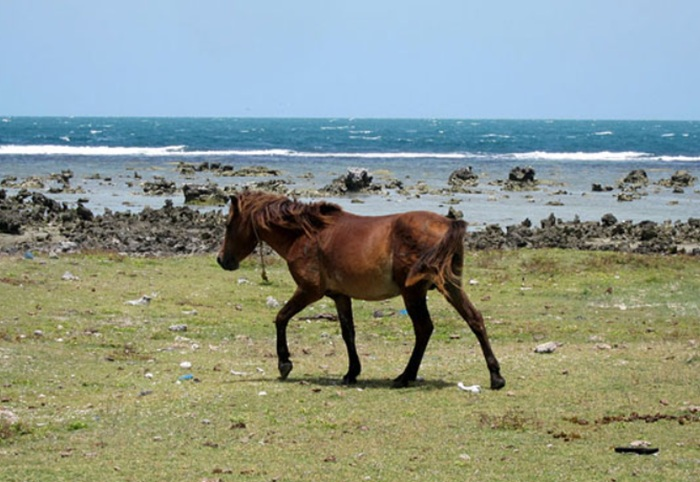
The Government of Sri Lanka has unveiled plans to transform Delft Island into the country’s first zero-emission eco-tourism destination, with a strong focus on sustainability, environmental conservation and the protection of its distinctive natural and cultural heritage.
A special site inspection and stakeholder discussion on the proposed development was recently held under the leadership of Deputy Minister of Tourism Ruwan Ranasinghe, bringing together key stakeholders to explore the island’s tourism potential and identify the infrastructure required for its sustainable development.
Located off Sri Lanka’s northern coast, Delft Island is renowned for its Dutch-era ruins, archaeological sites and iconic population of wild horses. Despite its unique attractions and considerable tourism potential, the island has so far made only a limited contribution to Sri Lanka’s wider tourism industry.
Deputy Minister Ranasinghe highlighted the importance of making Delft Island accessible not only to international travellers but also to domestic tourists. He emphasised the Government’s commitment to unlocking the island’s full tourism potential through development that remains environmentally responsible and sustainable.
Discussions during the site visit focused on key infrastructure requirements needed to position Delft Island as a premier tourism destination. Priority areas included improving water supply, road infrastructure, transportation and overall accessibility.
The importance of community participation was also highlighted as a key component of the development strategy. Plans include strengthening the knowledge and hospitality skills of local residents, enabling communities to participate more actively in the tourism sector and benefit directly from the island’s future development.
Environmental sustainability is expected to remain at the heart of the Government’s vision for Delft Island. The proposed zero-emission tourism model will focus on responsible tourism practices, renewable energy and sustainable solutions designed to minimise the environmental impact of tourism activities.
Once developed, Delft Island is expected to serve as a flagship example of eco-friendly tourism in Sri Lanka, demonstrating how the country’s unique natural and cultural assets can be preserved while creating new opportunities for local communities and the wider tourism industry.
Sri Lanka Tourist Arrivals Dip 1.7% in July as Indian Market Offsets Western Slowdown