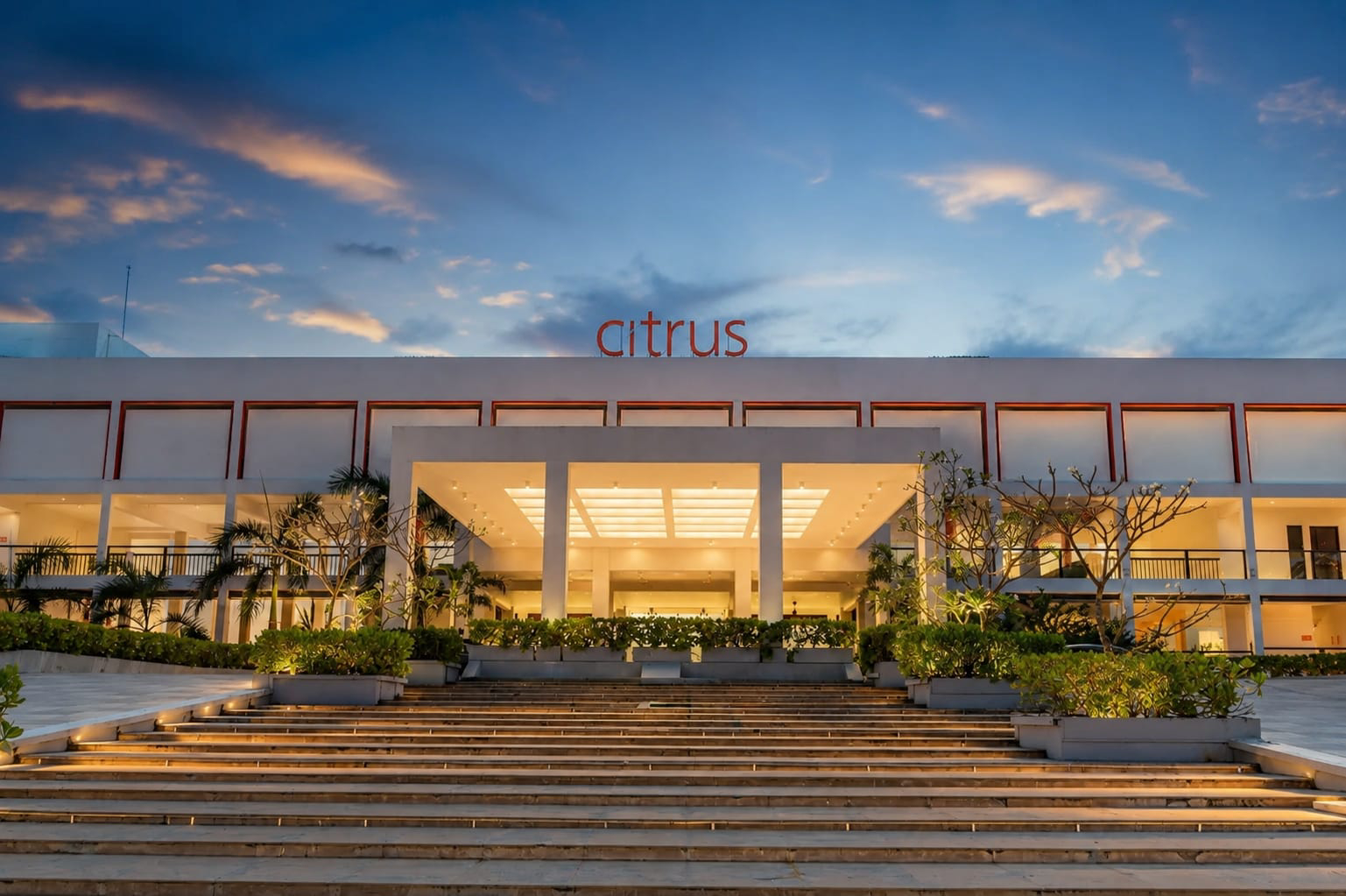





Citrus Leisure PLC has officially reopened Citrus Waskaduwa and Citrus Hikkaduwa on 1 July 2026 following extensive enhancement programmes aimed at elevating guest experiences. Citrus Waskaduwa resumed operations after a one-month refurbishment, while Citrus Hikkaduwa reopened after a two-month upgrade programme, welcoming guests back with refreshed spaces, improved facilities and enhanced coastal hospitality offerings.
As one of Sri Lanka’s leading homegrown hospitality brands and a member of the George Steuart Group, Sri Lanka’s oldest mercantile establishment, Citrus Leisure continues to strengthen its legacy of authentic Sri Lankan hospitality while evolving to meet the changing expectations of modern travellers.
Driven by its commitment to creating Happiness Moments, the refurbishment initiatives focused on enhancing comfort, convenience and memorable experiences for guests. Improvements across both properties included upgraded accommodation facilities, refreshed guest areas, enhanced recreational spaces and key infrastructure developments. Hotel teams also completed specialised service excellence training to further strengthen the personalised care and attentive hospitality associated with the Citrus brand.
Both Citrus Waskaduwa and Citrus Hikkaduwa continue to offer spacious sea-view rooms, providing guests with stunning views of Sri Lanka’s coastline. Each property, however, delivers a unique coastal experience tailored to different traveller preferences.
Located along the western coastline, Citrus Waskaduwa remains a popular beachfront retreat, featuring expansive gardens, a tranquil atmosphere and an ideal setting for family vacations, weddings, conferences and leisure getaways.
Meanwhile, Citrus Hikkaduwa offers a vibrant southern coastal escape, placing guests close to the destination’s renowned beach culture, marine attractions, surfing experiences and nightlife, making it a preferred choice for travellers seeking an energetic seaside holiday.
Commenting on the reopening, Chandana Talwatte, Group Chief Executive Officer of Citrus Group, said, “At Citrus Leisure, our focus has always been on creating meaningful happiness moments for every guest who chooses to stay with us. The enhancements at Citrus Waskaduwa and Citrus Hikkaduwa reflect our continued investment in elevating the guest experience through upgraded spaces, exceptional service and authentic Sri Lankan hospitality.”
He further added that the company is also advancing its digital transformation journey through the introduction of AI-driven technologies aimed at delivering more personalised guest experiences, smoother booking processes and deeper insights into evolving traveller preferences.
Through these renewed offerings and continued innovation, Citrus Leisure remains committed to enhancing guest experiences while strengthening its position as a trusted name in Sri Lanka’s hospitality industry.
Samsung Reports 19-Fold Profit Surge as AI Growth Concerns Weigh on Shares
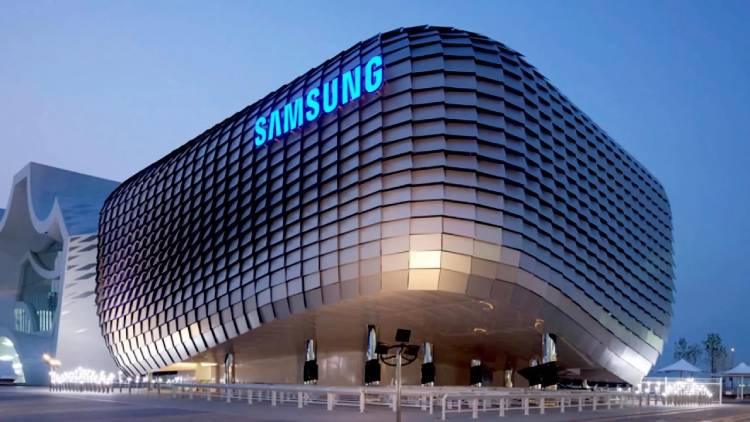
Samsung Electronics has reported a 19-fold increase in second-quarter operating profit compared to a year earlier, surpassing its combined earnings from the previous three years. However, the strong results failed to reassure investors concerned about the long-term sustainability of the artificial intelligence (AI)-driven semiconductor boom, sending the company’s shares lower.
The world’s largest memory chip manufacturer estimated April–June operating profit at 89.4 trillion won (approximately USD 58.44 billion), exceeding market expectations of 87.3 trillion won. This compares with an operating profit of 4.7 trillion won recorded during the same period last year. Samsung also expects quarterly revenue to rise 129% year-on-year to 171 trillion won.
Despite the impressive earnings, Samsung shares declined by as much as 7.9% during morning trading, while rival chipmaker SK Hynix also saw its shares fall by up to 7.3%, contributing to a broader decline in South Korea’s benchmark KOSPI index.
Analysts attributed the market reaction to elevated investor expectations, with some anticipating that Samsung’s profit could exceed 90 trillion won due to record memory chip prices, even after accounting for employee bonus provisions. Concerns also remain over whether the rapid expansion of AI data centres can continue at its current pace.
“Samsung’s strong earnings were widely expected and had largely been priced in after its shares rallied ahead of the results,” said Albert Yong, managing partner at Petra Capital Management. “Investors remain concerned about the sustainability of the AI boom and the possibility of slower AI infrastructure spending by major US technology companies.”
Memory chip prices continued to strengthen during the quarter as AI-related demand expanded beyond high-bandwidth memory (HBM) into traditional DRAM and NAND products.
Samsung’s profitability remained strong despite setting aside substantial bonus provisions for semiconductor employees under a wage agreement introduced in May, which links compensation to operating profit.
“Samsung posted better-than-expected earnings despite bonus-related provisions, as memory prices rose sharply,” said Lee Min-hee, an analyst at BNK Investment & Securities.
Analysts estimate that without the bonus-related provisions, Samsung’s operating profit could have surpassed 100 trillion won.
Jeff Kim, head of research at KB Securities-Jefferies, said the global memory chip shortage is expected to intensify this year and next year, as limited capacity expansion meets continued strong demand driven by AI adoption.
Citrus Leisure Reopens Refurbished Coastal Hotels in Waskaduwa and Hikkaduwa