




Meta Introduces Instagram Plus and Facebook Plus Subscription Plans, Malaysia Launch Timeline Yet to Be Confirmed
Meta Platforms has reportedly introduced new paid subscription plans for Instagram and Facebook, expanding its growing suite of premium services beyond the existing WhatsApp Plus offering. The new plans, named Instagram Plus and Facebook Plus, are part of Meta’s broader push to monetise enhanced platform features.
The subscription plans were announced by Meta’s Head of Product, Naomi Gleit, and are said to be available to users globally. However, the rollout has not yet reached Malaysia, with no confirmed availability timeline announced for the market at the time of writing.
The new tiers are designed to offer expanded features and customisation options across Meta’s social platforms. Importantly, Instagram Plus and Facebook Plus do not replace the existing Meta Verified subscription, which continues to offer identity verification, account protection, and enhanced user support.
Under the new plans, subscribers gain access to features such as Super reactions, insights into Story rewatch activity, the ability to create unlimited audience lists for Stories, extended Story visibility beyond 24 hours, weekly Story highlights for increased reach, and detailed viewer information.
Meanwhile, WhatsApp Plus is said to include additional themes, custom ringtones, enhanced chat pinning options, and premium sticker packs, with Meta indicating that more features will be added over time.
The company is also testing a broader “Meta One” subscription ecosystem aimed at users seeking advanced access to Meta AI capabilities. Early offerings include Meta One Plus and Meta One Premium, with pricing reportedly ranging from approximately RM40 to RM80 per month. Premium tiers are expected to provide higher computing capacity, more advanced reasoning capabilities, and expanded image and video generation features. Initial testing markets include Singapore, Guatemala, and Bolivia.
In parallel, Meta is also exploring professional-focused subscription plans for creators and businesses, including Meta One Essential and Meta One Advanced, which are being tested in select regions such as Saudi Arabia, Morocco, Thailand, and Bangladesh. These plans are expected to include features like verified badges, identity protection tools, enhanced search visibility, and deeper analytics for content creators and brands.
The move reflects a broader industry trend toward monetising advanced platform features, particularly as companies invest heavily in artificial intelligence capabilities. Similar subscription models have already been adopted by other major tech firms, including OpenAI, Google, X, and Anthropic, as the digital ecosystem increasingly shifts toward premium, paid access for advanced tools and services.
YouTube to Introduce AI Labels on AI-Generated Videos for All Users
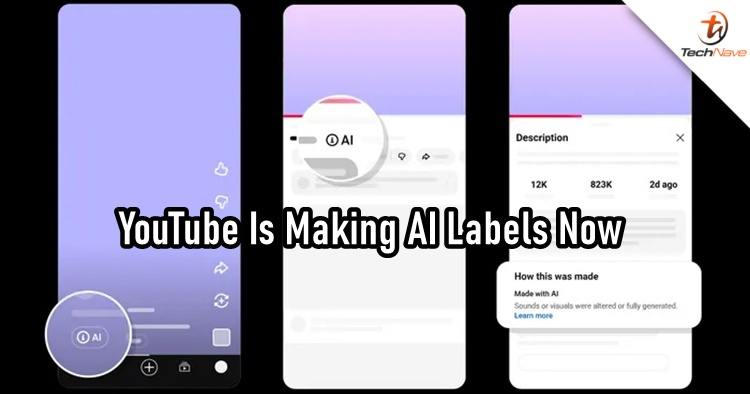
YouTube is rolling out a major update to how AI-generated and AI-altered content is labelled, introducing more visible disclosures for viewers while also strengthening automated systems to detect undisclosed AI usage.
The move comes as AI-generated videos continue to proliferate across the internet, prompting the platform to improve transparency and help viewers more easily identify synthetic or heavily modified content. Under the new system, AI labels will no longer be confined to video descriptions or informational sections but will instead appear prominently beneath the video player on standard uploads.
For YouTube Shorts, AI disclosures will be displayed through visible on-screen overlays, ensuring that viewers are immediately aware when content has been created or significantly altered using AI tools.
Previously, AI-related disclosure information was placed within the “How this content was made” section, which many users overlooked. The updated approach aims to make such disclosures far more prominent and accessible during viewing.
In addition to visible labels, YouTube is also introducing automated detection mechanisms designed to identify AI-generated or AI-modified content, even when creators fail to disclose its use. The platform says it will rely on internal signals to flag such content and may apply labels automatically where necessary.
Creators will still have the option to challenge incorrect classifications through YouTube Studio. However, YouTube has noted that certain disclosures may remain in place permanently, particularly for content generated using its own AI tools or videos that include standardized AI metadata such as C2PA.
The update reflects YouTube’s broader effort to improve transparency and trust on the platform as AI-generated media becomes increasingly common and more difficult for viewers to distinguish from authentic footage.
Meta Reportedly Rolls Out Instagram Plus and Facebook Plus, Malaysia Launch Date Unclear