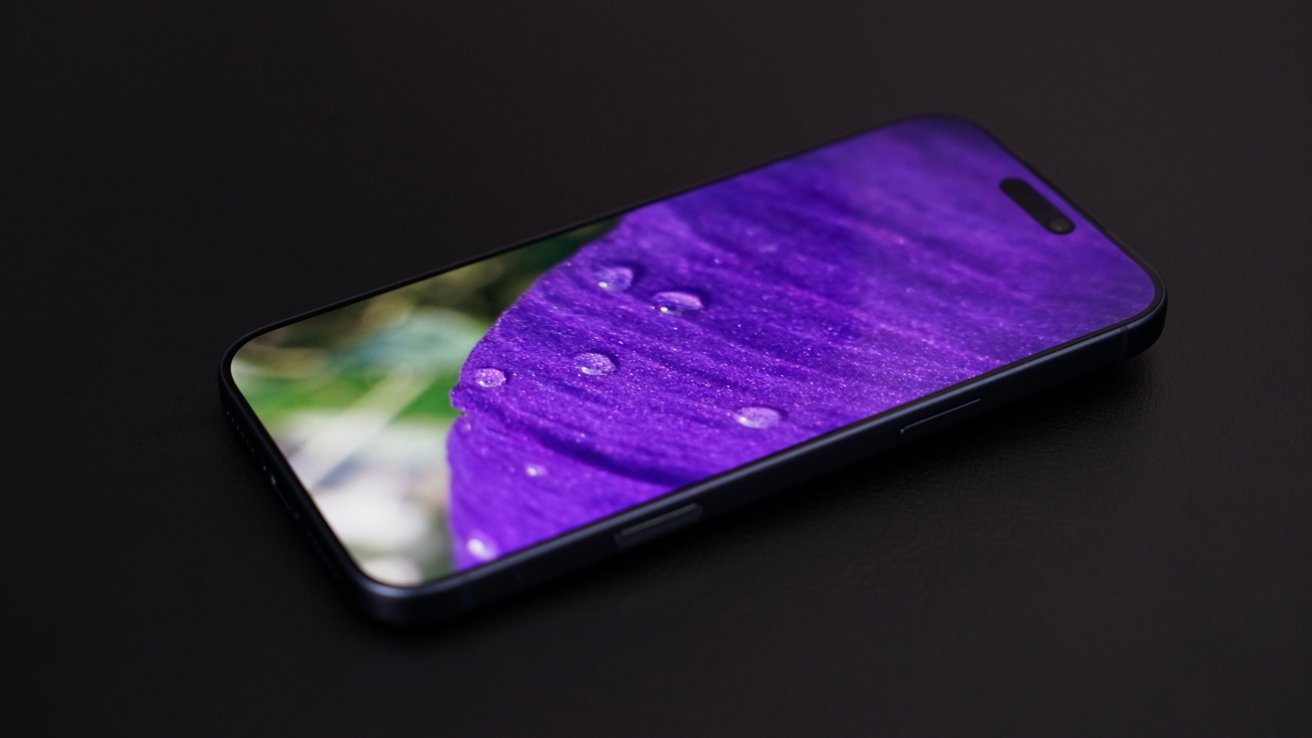





Apple is reportedly working on a major improvement to the OLED displays used in future iPhone models, but the technology may arrive later than previously anticipated.
The display technology, known as Color Filter on Encapsulation (CoE) OLED, removes the traditional polarizing layer used in OLED panels. While the polarizer helps prevent certain visual issues, eliminating it can provide several potential advantages, including improved brightness and power efficiency.
Apple was previously rumored to be considering CoE technology for its 20th-anniversary iPhone, which is expected to arrive in September 2027. However, a new report from UBI Research claims that Apple may postpone the technology until its Pro-series iPhones in late 2029.
Interestingly, the same research indicates that Samsung had already introduced a form of CoE technology in the Galaxy Z Fold3 in 2021. The report does not explain why Apple would potentially wait several more years before adopting the technology.
ET News, meanwhile, offers a possible explanation for Apple's cautious approach. The publication reports that Apple has previously considered CoE insufficiently mature for large-scale adoption.
Apple now appears to see value in the technology and was reportedly considering it for a future iPhone Pro model. However, cost may have become another obstacle. According to the report, Apple is concerned that adopting CoE could increase manufacturing costs at a time when iPhone prices are already facing upward pressure.
UBI Research also claims that Apple's iPhone Duo was expected to feature CoE technology. However, teardown reports have yet to provide confirmation of whether the technology is actually being used in those devices.
iPhone 18 Pro May Use Extra Image Data to Improve Face ID Authentication
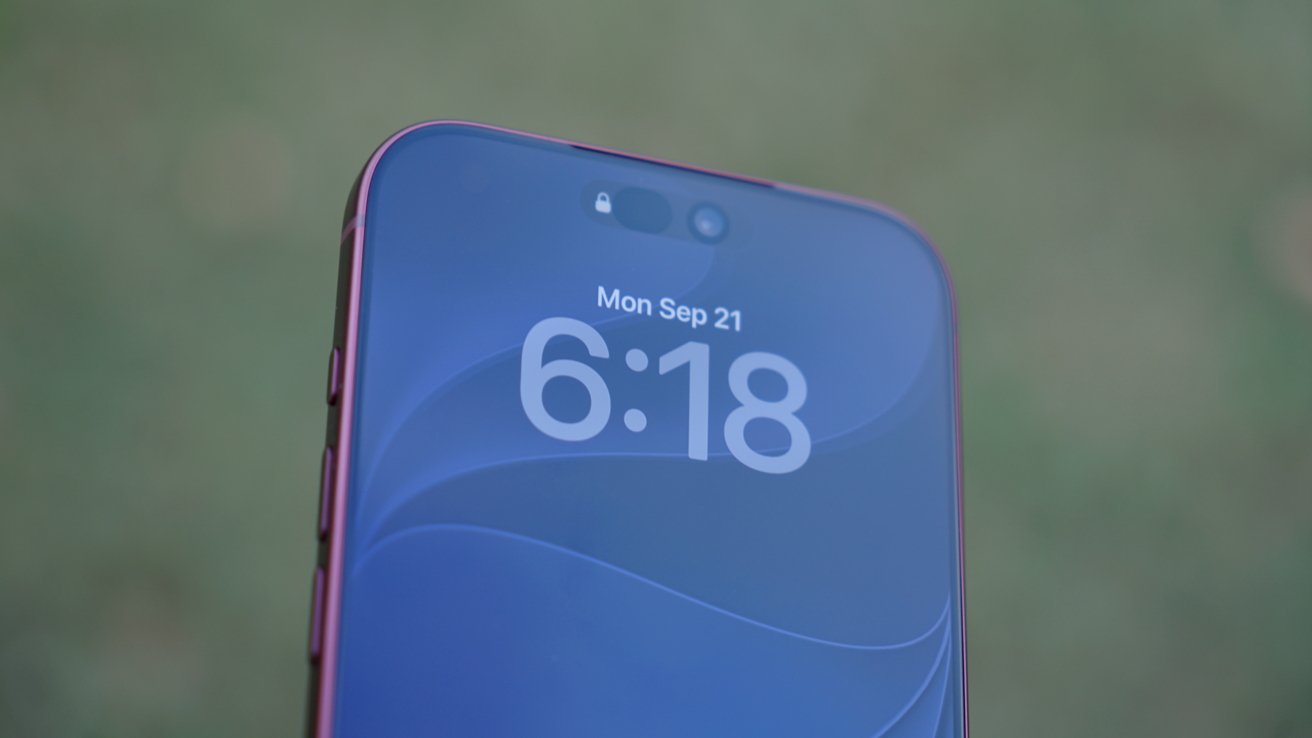
Apple has introduced an additional layer of image-based data processing to Face ID on the iPhone 18 Pro, with the new system reportedly using a secure enclave to help maintain authentication performance.
Face ID remains Apple's primary biometric security system for the iPhone, using a combination of infrared dot projection, depth sensing, attention detection and an encrypted mathematical representation of the user's face to verify identity. Apple's Optic ID system on Vision Pro uses a similarly security-focused approach.
With the iPhone 18 Pro, Apple has made a change to how Face ID processes the information captured during authentication. The update was first spotted by Sam Fathi and subsequently shared on social media.
According to Apple's updated support documentation, the iPhone 18 Pro continues to capture depth and infrared information as part of the Face ID process. However, that information is now supplemented with additional image data.
Apple's documentation states that on iPhone 18 Pro models and later, the captured information is supplemented with additional image data to maintain Face ID performance. The additional information is then compared with the stored mathematical representation to authenticate the user.
The reference to maintaining Face ID performance has led to speculation online that the redesigned system could affect authentication. One reason for that speculation is Apple's decision to place the Face ID dot projector beneath the display on the iPhone 18 Pro.
However, the change does not necessarily indicate that Face ID has become less accurate. The new design reportedly allows the display pixels surrounding the sensor area to be switched off temporarily, enabling infrared light from the system to pass through the screen.
Brighter, More Power-Efficient iPhone OLED Displays Delayed Until 2029