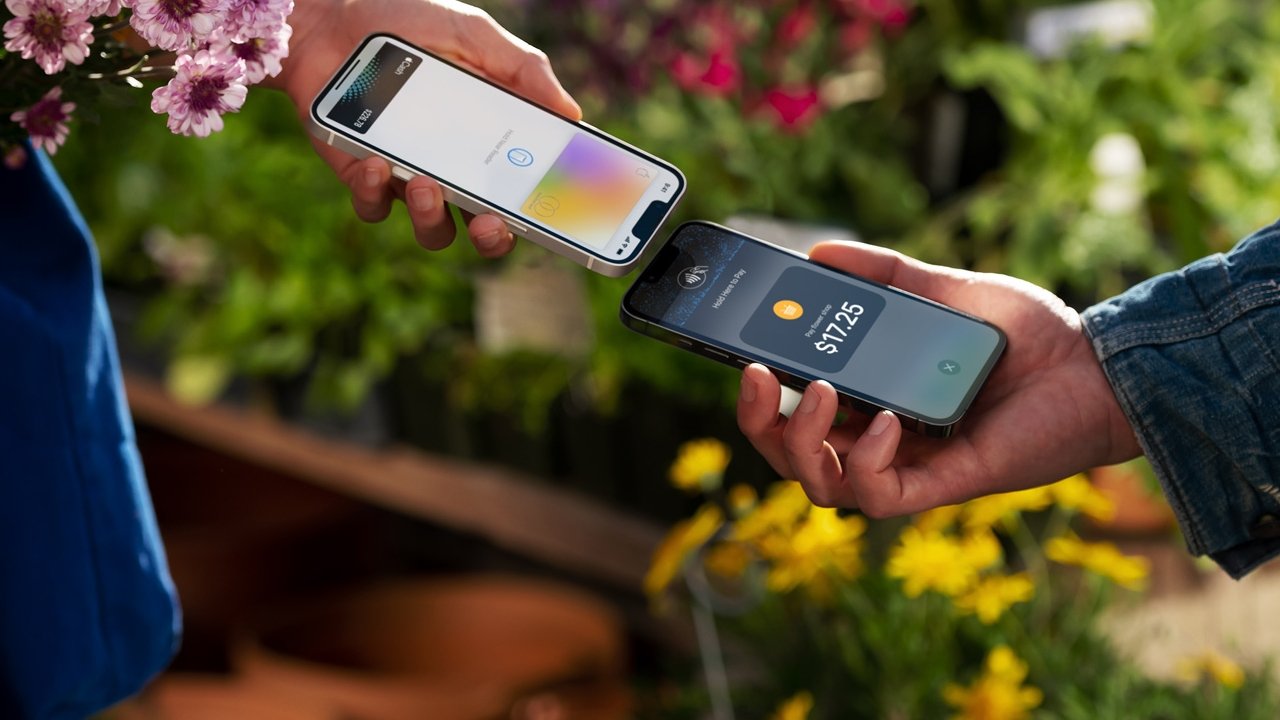





Apple has expanded its Tap to Pay on iPhone service to eight more countries across Latin America, giving businesses the ability to accept contactless payments without requiring a traditional payment terminal.
The latest expansion brings the feature to Argentina, Colombia, Costa Rica, the Dominican Republic, Guatemala, Honduras, Panama and Peru. Businesses in these markets can use a compatible iPhone and supported payment app to accept contactless debit and credit cards, Apple Pay and other digital wallets.
Tap to Pay on iPhone is available on the iPhone XS and newer models running the latest version of iOS. To make a payment, customers simply hold a compatible contactless card, iPhone, Apple Watch or supported digital wallet near the merchant's iPhone, with the transaction processed using NFC technology.
Apple's Latin American website, in a post first reported by 9to5Mac, confirmed that the service is launching through different payment providers in each market. Availability currently includes:
Argentina: Mercado Pago
Colombia: SumUp, Symbiotic
Costa Rica: Geopagos, Symbiotic, Visa Acceptance Solutions
Dominican Republic: Azul, Visa Acceptance Solutions
Guatemala: Geopagos, Symbiotic
Honduras: Geopagos, Symbiotic
Panama: Geopagos, Symbiotic
Peru: SumUp
Tap to Pay on iPhone supports contactless cards from major payment networks, including Visa, Mastercard and American Express.
Apple originally introduced Tap to Pay on iPhone in 2022, providing businesses with a way to accept contactless payments using an iPhone instead of relying on dedicated card-reading hardware. The latest expansion further extends the feature's availability across Latin America.
M5 Pro Mac mini vs. M4 Pro Mac mini: Specs, Performance and Price Compared
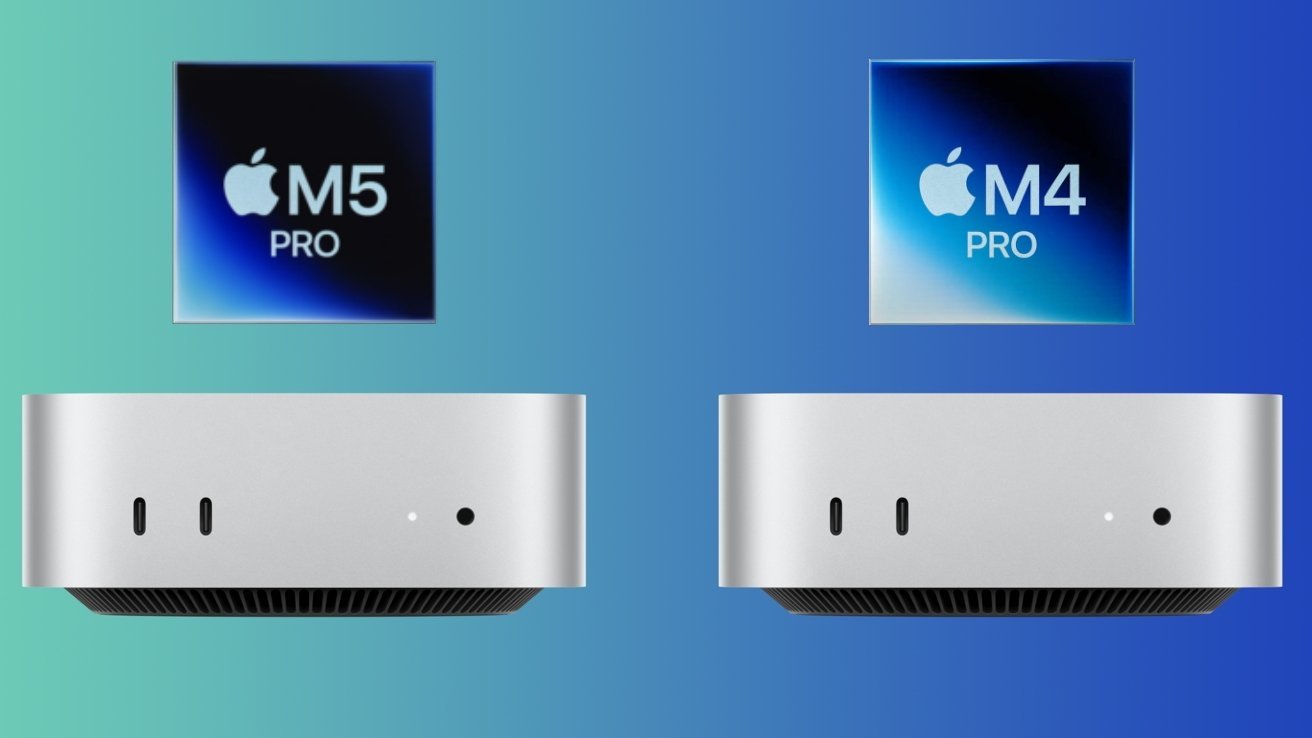
Apple has finally brought its M5 Pro chip to the Mac mini, introducing a new generation of the compact desktop. Here's how the latest M5 Pro model compares with the previous M4 Pro Mac mini.
Following the M5 Pro's arrival in the MacBook Pro, Apple's latest chip has now made its way into the Mac mini. The upgrade brings additional processing performance while retaining the familiar compact design.
Just like the M5 Pro MacBook Pro, the new Mac mini doesn't introduce a major redesign. Apple has kept the same chassis, dimensions and port selection found on the M4 Pro version, despite the lengthy development period behind the new model.
The main change is under the hood, with the M5 Pro delivering more processing power while remaining available at a price that's broadly comparable with its predecessor. Here's a closer look at how the two Mac mini generations compare.
M5 Pro Mac mini vs. M4 Pro Mac mini: Design, Size and Weight
Apple significantly reduced the Mac mini's footprint with the M4 generation, bringing the desktop down to a compact 5-by-5-inch form factor. The M5 Pro model keeps that same aluminum enclosure and measures 2 inches in height.
Both models feature two USB-C ports on the front, similar to Apple's Mac Studio, while the rest of the connectivity is positioned on the rear.
There is also no difference in weight between the two models. Both the M5 Pro and M4 Pro Mac mini weigh approximately 1.6 pounds.
Apple Brings Tap to Pay on iPhone to Eight More Latin American Countries