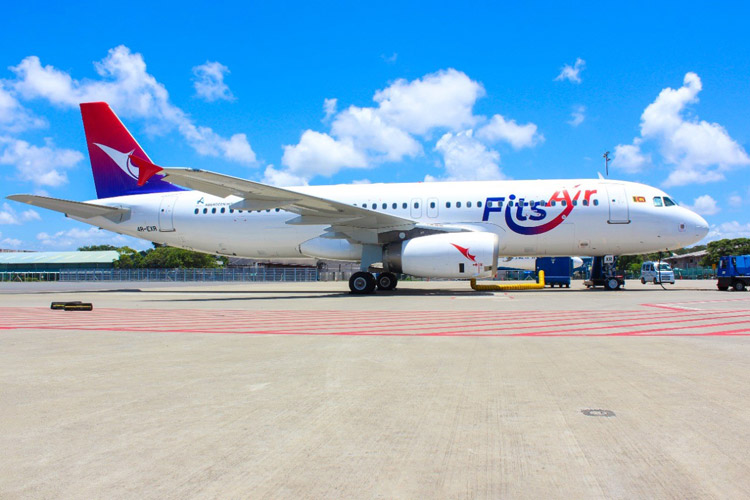





FitsAir has announced the temporary suspension of its flight services between Colombo and Dubai, effective September 6, 2026.
The airline said the decision comes amid the evolving global situation and its impact on the Middle East region.
According to FitsAir, the Colombo–Dubai service is currently expected to resume in November 2026. However, the restart date remains subject to developments in the region.
The airline expressed regret for the inconvenience caused to passengers affected by the temporary suspension and thanked travellers for their patience and understanding during the period.
FitsAir said it looks forward to welcoming passengers back on board once the service resumes.
Range Rover Electric Redefines Luxury with Electric Performance
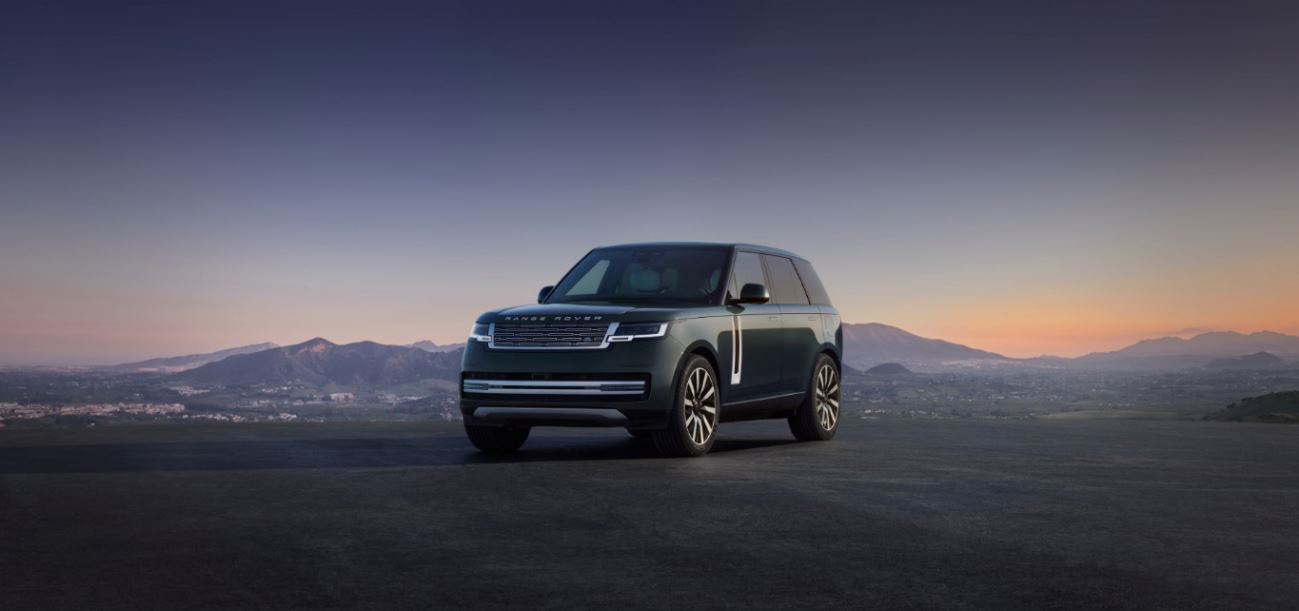
Range Rover has introduced its first fully electric model, bringing the brand’s signature luxury, refinement and capability into the zero-emission era.
Designed to deliver an exceptionally quiet and refined driving experience, the new Range Rover Electric replaces the traditional engine note with near-silent electric propulsion while incorporating advanced technology, wellness-focused features and bespoke commissioning options.
The model is powered by two 260kW electric motors, delivering up to 550PS and 850Nm of torque. Range Rover says the electric SUV offers V8-level performance, smooth and responsive acceleration, as well as an estimated range of up to 372 miles under the WLTP testing cycle.
The company describes the Range Rover Electric as its quietest model to date, with electric propulsion further enhancing the sense of calm and seclusion associated with the luxury SUV.
Martin Limpert, Managing Director of Range Rover, said the model is the result of a decade of engineering and technological development aimed at establishing a new benchmark for the luxury SUV.
“Electric propulsion is perfectly suited to the exquisite refinement of Range Rover, elevating the sense of calm and secluded sanctuary for occupants,” Limpert said.
He added that the vehicle’s capability has not been compromised, with its electric powertrain working alongside advanced chassis technologies to maintain the model’s performance across a range of driving conditions.
According to Range Rover, the development and testing programme was extended beyond the original plans to further refine the vehicle and ensure it delivers the desired combination of luxury, performance and capability.
FitsAir Temporarily Suspends Colombo–Dubai Flight Services