





An alleged Geekbench result for Apple's M6 Pro has appeared online, potentially challenging earlier reports that Apple planned to shorten the M6 Apple Silicon cycle and move directly to the M7 generation without releasing Pro and Max variants.
Before Apple introduced the M6-powered Mac mini, reports and rumors had suggested that the M6 generation could be unusually short-lived. According to those claims, Apple would move to the M7 lineup sooner than expected. However, a newly surfaced benchmark may indicate that Apple's M6 family could include additional chips after all.
A Geekbench 7 result reportedly appeared on Reddit for a machine identified as "Mac18,6," with a test date of September 18, 2026. The listing identifies the processor as an Apple M6 Pro, featuring 18 CPU cores.
The benchmark description appears to show the 18 cores divided into two groups, consisting of six and 12 cores. This configuration could potentially correspond to Apple's different performance and efficiency core clusters.
The listing also reports a base frequency of 4.78GHz, which may represent the clock speed of the higher-performance cores. The system used for the test was reportedly equipped with 48GB of memory.
Moderate Performance Gains
If the benchmark is legitimate, the M6 Pro achieved a single-core score of 4,150 and a multi-core score of 37,565 in Geekbench 7.
For comparison, previously leaked M6 Mac mini results reportedly produced a single-core score of around 4,071. A similar single-core result would not be particularly surprising, since single-core benchmarks generally reflect the performance of the fastest available CPU core rather than the overall number of cores.
The newly surfaced results therefore suggest that the M6 Pro could deliver a relatively modest single-core improvement while offering substantially more multi-core performance through its additional CPU cores. However, since the benchmark has not been independently verified, its authenticity and the final specifications of any future M6 Pro hardware remain uncertain.
Teardown Reveals US iPhone 18 Pro Max Doesn't Include Apple's C2 Modem
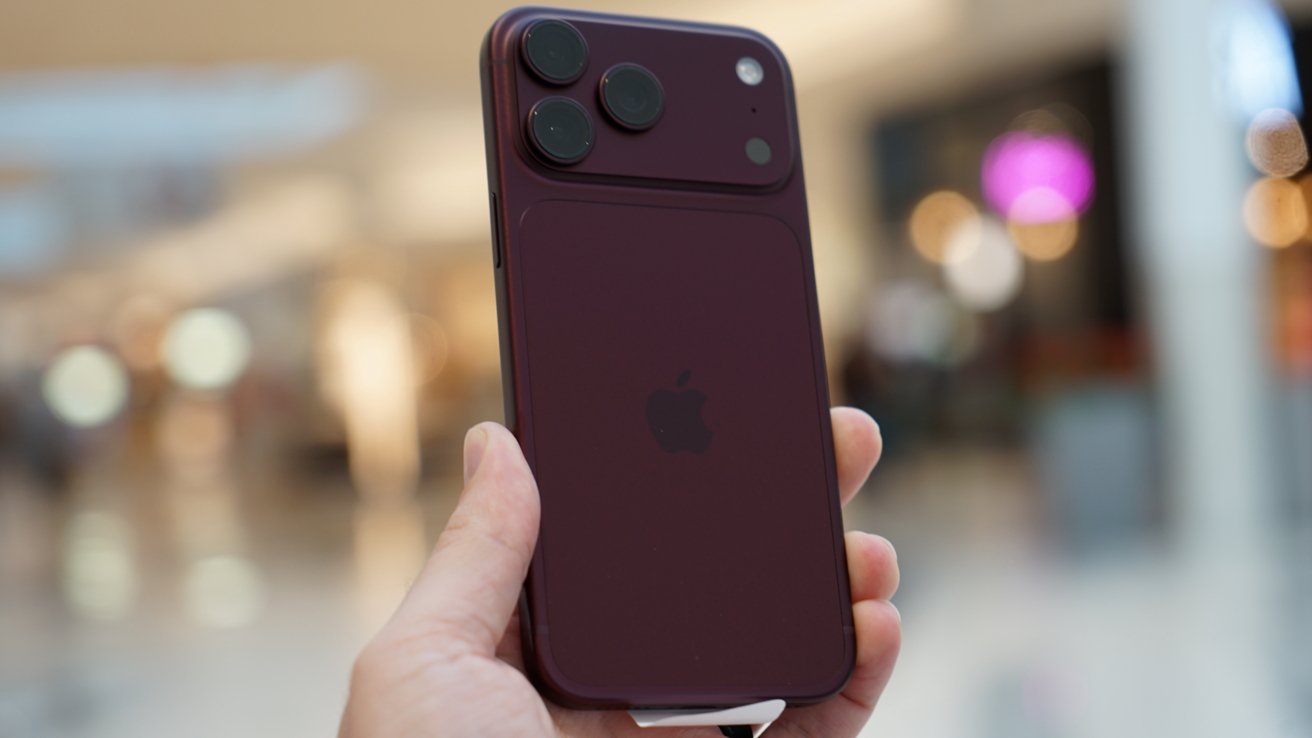
A teardown of Apple's iPhone 18 Pro Max has revealed an unexpected difference in the US version of the device: instead of Apple's own C2 modem, the phone reportedly uses a Qualcomm cellular modem.
Apple heavily promoted the C2 modem when it introduced the iPhone 18 Pro lineup, making the discovery particularly notable. However, the US-market iPhone 18 Pro Max appears to be an exception.
According to a teardown conducted by TechInsights, the iPhone 18 Pro Max contains many of the components expected in Apple's latest flagship, including the A20 Pro chip and Apple's N1 wireless module. The cellular connectivity system, however, is powered by a Qualcomm Snapdragon SDX80M 5G modem rather than the C2.
TechInsights suggests that the finding could point to regional hardware differences or indicate that Apple is using more than one modem configuration across the iPhone 18 family.
The phone's RF board also contains components supplied by Skyworks, Broadcom, Qorvo, Texas Instruments, and NXP, including an NFC controller. Apple's N1 Wireless Combo Module is responsible for wireless connectivity such as Wi-Fi.
A Very Specific Exception
The Qualcomm modem discovery is particularly interesting given Apple's emphasis on the C2 modem in its iPhone 18 Pro announcement.
However, Apple's wording in its press materials leaves some room for interpretation. The company states that the C2 is included in the iPhone 18 Pro, but that wording doesn't necessarily make it clear whether every model in the Pro family uses the same modem.
Apple does not mention Qualcomm's modem in its announcement, nor does it suggest that the iPhone 18 Pro Max uses different cellular hardware. At the same time, the company's wording does not explicitly state that the C2 modem is present specifically in the Pro Max.
The teardown therefore provides an early indication that the US iPhone 18 Pro Max may be a specific regional exception, although Apple's exact modem strategy across different iPhone 18 models and markets remains unclear.
Apple M6 Pro Benchmark Appears Online Despite Reports of a Short Chip Generation

-xl-xl.jpg)