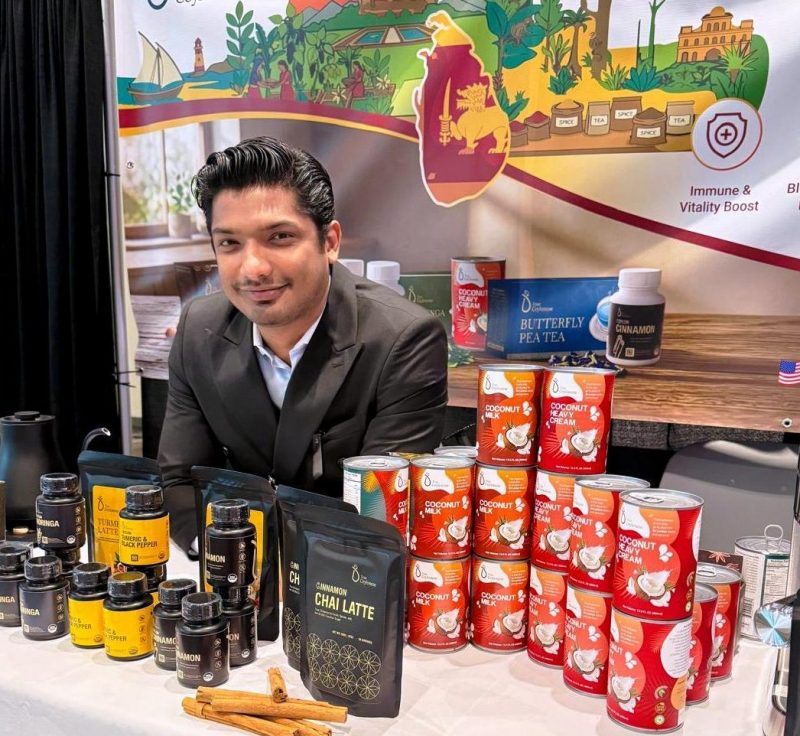





Sri Lankan wellness and food brand True Ceylonese, founded by Rushdhun Ramzy, showcased the country’s rich heritage of natural ingredients, traditional wellness practices and authentic food products at the prestigious Summer Fancy Food Show in New York, one of North America’s leading specialty food and beverage exhibitions.
The event brought together thousands of exhibitors and buyers from around the world, providing True Ceylonese with an opportunity to introduce Sri Lankan ingredients and wellness products to an international audience.
Standing alongside leading global food and wellness brands, Ramzy presented a vision that combines traditional Sri Lankan healing knowledge with modern lifestyles. The company aims to introduce authentic Sri Lankan ingredients, herbal products and plant-based nutrition to health-conscious consumers across the United States.
“Our ancestors understood the healing power of nature long before modern wellness became a trend,” said Ramzy. “True Ceylonese is bringing that timeless knowledge to today’s generation.”
Showcasing Ceylon Cinnamon
One of the key highlights at the exhibition was Ceylon Cinnamon, Sri Lanka’s globally recognised true cinnamon. Unlike cassia cinnamon, Ceylon Cinnamon is known for its delicate flavour and naturally lower coumarin content.
Building on this iconic Sri Lankan ingredient, True Ceylonese presented a range of products, including Ceylon Cinnamon Tea, Ceylon Cinnamon Wellness Capsules and Cinnamon Chai Latte.
The company also showcased its growing turmeric portfolio, featuring Turmeric & Black Pepper Capsules and Turmeric Latte. Turmeric contains curcumin, a naturally occurring compound widely studied for its antioxidant and anti-inflammatory properties, while black pepper is commonly combined with turmeric to improve curcumin absorption.
Moringa and Butterfly Pea
Another highlight was the company’s Moringa Tea and Moringa Capsules range. Often referred to as the “Miracle Tree,” moringa contains a variety of vitamins, minerals, antioxidants and plant-based nutrients and has become increasingly popular among consumers interested in natural wellness products.
Visitors were also introduced to Butterfly Pea Tea, recognised for its naturally vibrant blue colour. Traditionally consumed across Asia, butterfly pea tea has gained attention internationally as a visually distinctive herbal beverage.
Sri Lankan Coconut Products
Responding to growing consumer interest in dairy-free and plant-based alternatives, True Ceylonese also showcased its Sri Lankan Coconut Milk and Coconut Heavy Cream.
Produced using Sri Lankan coconuts, the products offer rich, creamy alternatives to conventional dairy ingredients for vegan consumers, people avoiding lactose and those seeking plant-based food options.
The coconut range also highlights Sri Lanka’s established reputation for producing high-quality coconut-based products.
Founded with the aim of connecting Sri Lanka’s agricultural heritage with international markets, True Ceylonese sources spices, herbal teas, coconut products and wellness ingredients directly from Sri Lanka.
Through its growing international presence, the company seeks to promote Sri Lankan agricultural products, traditional knowledge and craftsmanship while introducing authentic Ceylonese flavours and wellness-inspired products to consumers around the world.
BYD Galle Showroom Marks Milestone in Customer Service and Vehicle Deliveries
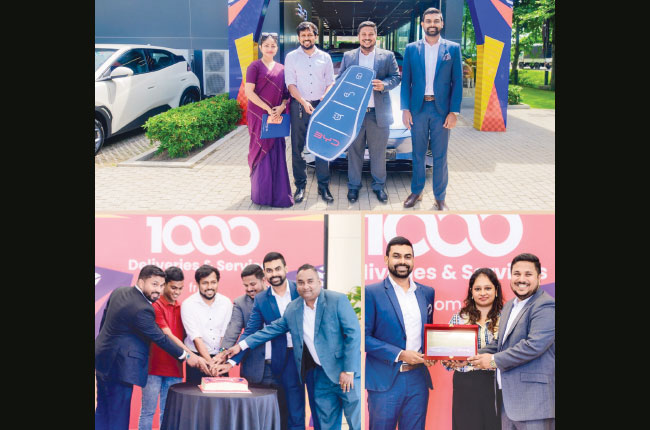
BYD and its authorised Sri Lankan distributor, John Keells CG Auto, have marked a significant milestone at the BYD Galle Showroom, celebrating the completion of 1,000 vehicle services and 1,000 deliveries.
The achievement reflects the growing confidence Sri Lankan customers have placed in the BYD brand and highlights the strong relationships the company has built with its customers in the region.
The milestone also reinforces BYD and John Keells CG Auto’s focus on delivering a comprehensive ownership experience, extending beyond vehicle sales to include dependable aftersales care and ongoing customer support.
As BYD continues to expand its presence in Sri Lanka, the company remains focused on strengthening its aftersales service capabilities and support network to meet the evolving needs of its growing customer base.
The Galle Showroom’s achievement of 1,000 services and 1,000 deliveries represents an important step in that journey, demonstrating the continued demand for BYD vehicles and the importance of providing customers with reliable support throughout every stage of vehicle ownership.
True Ceylonese Showcases Sri Lanka’s Ancient Wellness Heritage at New York’s Summer Fancy Food Show