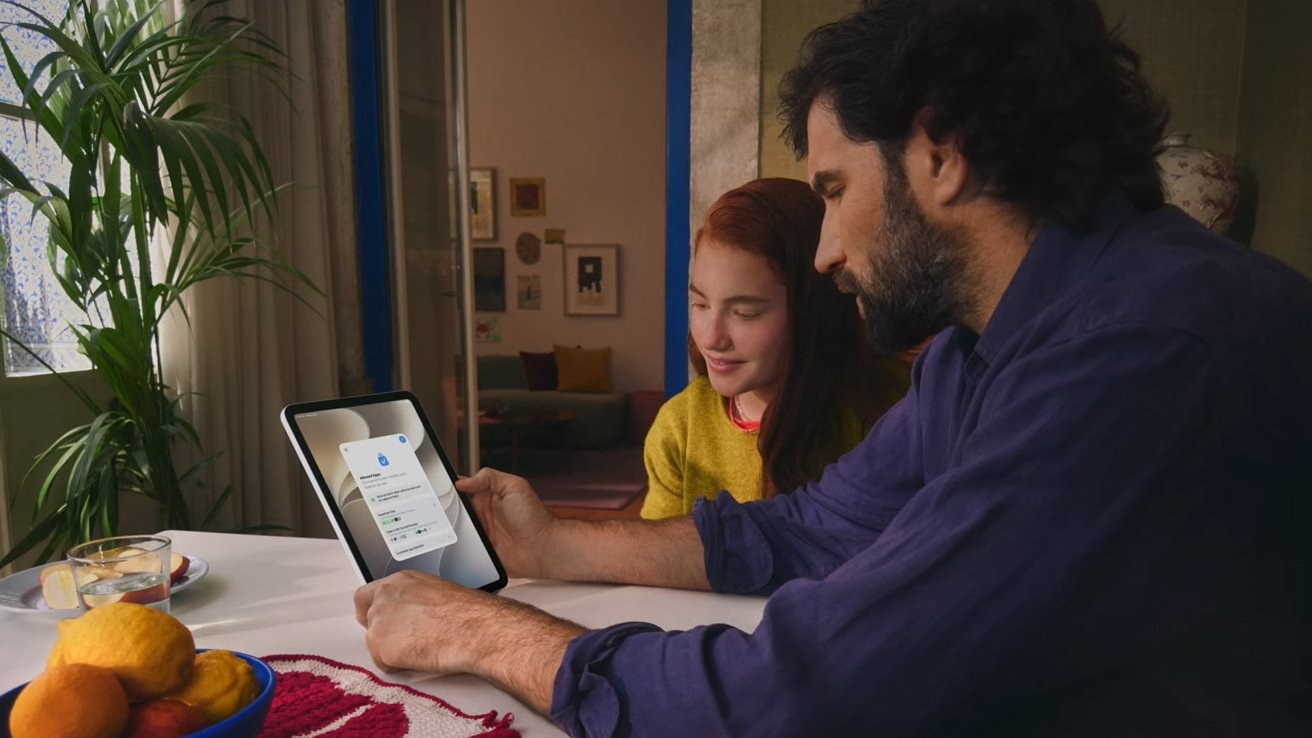





Apple is preparing to launch new child safety features in iOS 27. Here’s an overview of the research behind the guidelines.
At the WWDC 2026 keynote, Apple announced expanded parental control tools for Child Accounts. These features are designed to help parents better manage how children use their devices.
The tools include options such as content filtering and features that promote healthier browsing habits. These guidelines were developed in collaboration with the American Academy of Pediatrics (AAP).
However, Apple did not go into detail about what the digital guidelines specifically include. At the moment, it is also difficult to fully test these features, as accounts for children under 13 are not eligible for Apple’s beta programs.
The AAP provides extensive information on its website about recommended best practices. It is useful for understanding how to apply healthy limits to children’s device and media use.
Understanding risks by age group
Children are not affected by technology in the same way. A child’s age, developmental stage, and temperament play a much bigger role than technology alone.
Understanding the commonly accepted risks and benefits for each age group is a good starting point. The American Academy of Pediatrics highlights several key points.
The positives
It is important not to label technology as entirely “bad.” In some cases, especially with assistive tools, devices like iPads can be beneficial for children.
In general, screen time should be limited for children under the age of three. By the toddler stage, children have usually developed important early skills in communication and self-regulation.
Your ChatGPT Mac app will stop working tonight if you haven’t updated it recently
OpenAI is requiring Mac users to update the ChatGPT desktop app after a security issue involving exposed signing certificates used to verify trusted software on Apple systems.
The company revealed the incident on May 13, stating that malware connected to the “Mini Shai-Hulud” attack entered through the TanStack npm ecosystem and affected two employee devices. Investigators also found unauthorized access to a limited number of internal source code repositories linked to those devices.
In response, OpenAI rotated its signing certificates and re-signed affected applications to prevent misuse. The company said there is no evidence that customer data, production systems, or intellectual property were compromised.
Because Apple’s macOS security system will stop trusting apps signed with the old certificates after June 12, users must update their apps before that deadline to avoid interruptions.
OpenAI confirmed that the affected certificates were used across macOS, iOS, Windows, and Android apps. Instead of immediately revoking them—which could break existing installations—the company blocked future use of the compromised credentials while rolling out updates.
After June 12, older versions of the apps will no longer work on Mac systems.
Apple and the American Academy of Pediatrics have developed a plan to help teach children healthy digital habits