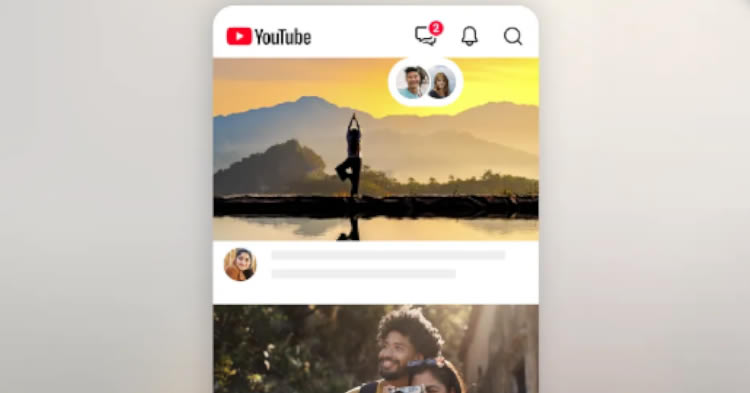





YouTube has begun rolling out its new in-app messaging feature to users aged 18 and above in the United States and select global markets starting from 10 June 2026.
This feature lets users share videos, Shorts, and livestreams directly inside the YouTube app while chatting with friends and family, removing the need to switch to third-party messaging apps.
Users can access the feature via a new messaging icon in the mobile app, where they can send invitations to start conversations and react to shared videos in real time.
The feature was first tested in late 2025 in countries such as Ireland and Poland. After positive feedback, YouTube is now expanding it to regions including the United Kingdom, Brazil, Singapore, and the United States.
YouTube originally had a built-in messaging system, but it was discontinued in 2019. The new version returns with a more controlled design focused on sharing content between people who already know each other. Instead of open messaging, users must send invitation links before a chat can begin. These invites are shared externally and expire after seven days.
The system also includes safety tools such as blocking, reporting, and message unsending, with all conversations subject to YouTube’s Community Guidelines.
Overall, the update aims to make video sharing more seamless by keeping conversations and content in one place within the app.
WhatsApp is currently testing new Meta AI subscription plans and additional features for Android users
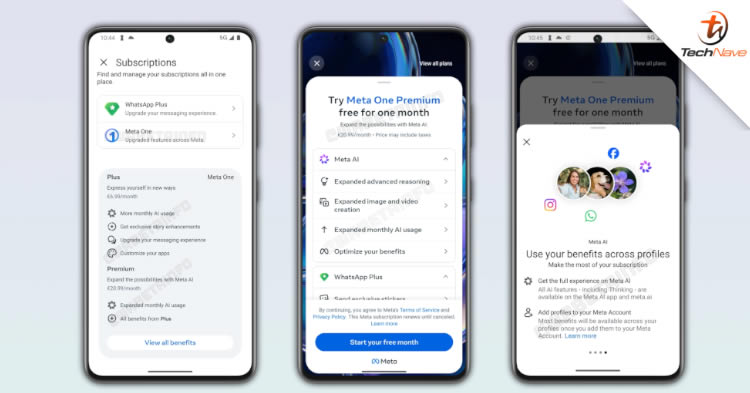
WhatsApp is reportedly testing new “Meta One” subscription plans that could give users access to more advanced Meta Platforms AI features.
According to findings from WABetaInfo, these upcoming plans may include higher AI usage limits, faster responses, and access to more capable AI models. One of the higher tiers, Meta One Premium, is said to cost around USD 19.99 (about RM 80–85) per month.
The feature has been spotted in a recent WhatsApp beta update for Android, although it is not yet available to beta testers or the public. While Meta AI is currently free inside WhatsApp, the company appears to be exploring paid options for users who need more advanced capabilities.
Early details suggest the subscription could offer benefits such as increased interaction limits, improved response speed, access to newer AI models, and even a “reasoning mode” that allows the AI to handle more complex tasks with deeper thinking ability.
This development is also linked to Meta’s broader subscription strategy, where services like Facebook, Instagram, and WhatsApp may eventually sit under a unified “Meta One” branding for AI and premium features.
For now, Meta AI remains free for everyday use, but these tests suggest that a paid AI tier could be introduced in the future for power users who need more advanced tools.
YouTube has reintroduced in-app messaging, allowing users to share videos directly within the app without needing to switch to other apps