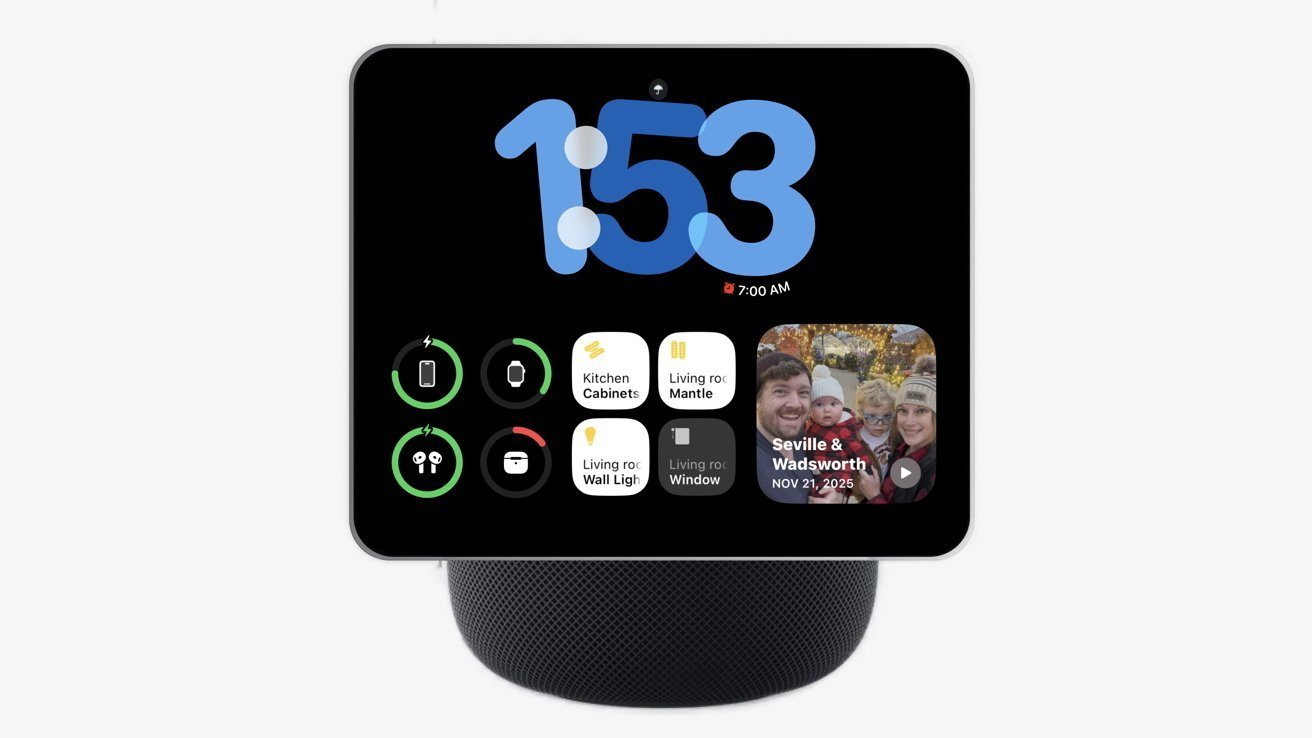





Apple’s upcoming smart home controller will reportedly be called HomeView, with the device expected to reach consumers before the end of 2026, although it will not be available in October.
Speculation surrounding Apple’s development of a new smart home device has intensified over recent months. With an Apple event scheduled for October 13, the company is expected to introduce new smart home hardware.
In Sunday’s edition of Bloomberg’s Power On newsletter, Mark Gurman reported that the new smart home hub will carry the HomeView name. Powered by an A18 chip and featuring a display, the device is designed to serve as the central control point for an Apple-based smart home.
The “View” in its reported name reflects the device’s display-focused design. However, the HomeView is expected to rely primarily on voice commands, while still supporting touchscreen interaction.
Despite featuring a display, the device is not designed to function like a conventional tablet with a wide range of applications. According to Gurman, it will support a limited selection of Apple apps but will not include an App Store or allow users to install additional software.
Instead, the HomeView is intended to act as the central hub for controlling smart home devices, with Siri serving as the primary interface for users to manage connected equipment and functions.
Two Versions Expected
Apple is reportedly preparing two versions of the HomeView.
The countertop model will feature a metal speaker base and is expected to be available in four colours: space grey, silver, starlight and pink.
The second version will be designed for wall mounting, featuring a flat, square base positioned directly beneath the display. This model is expected to be offered in space grey and silver.
The HomeView is currently expected to begin shipping in mid-November, approximately one month after its anticipated launch. This would allow consumers to purchase the device before the end of 2026, provided the reported schedule remains unchanged.
New Apple TV Could Feature Built-In Microphones, While Updated HomePod Is Also Expected
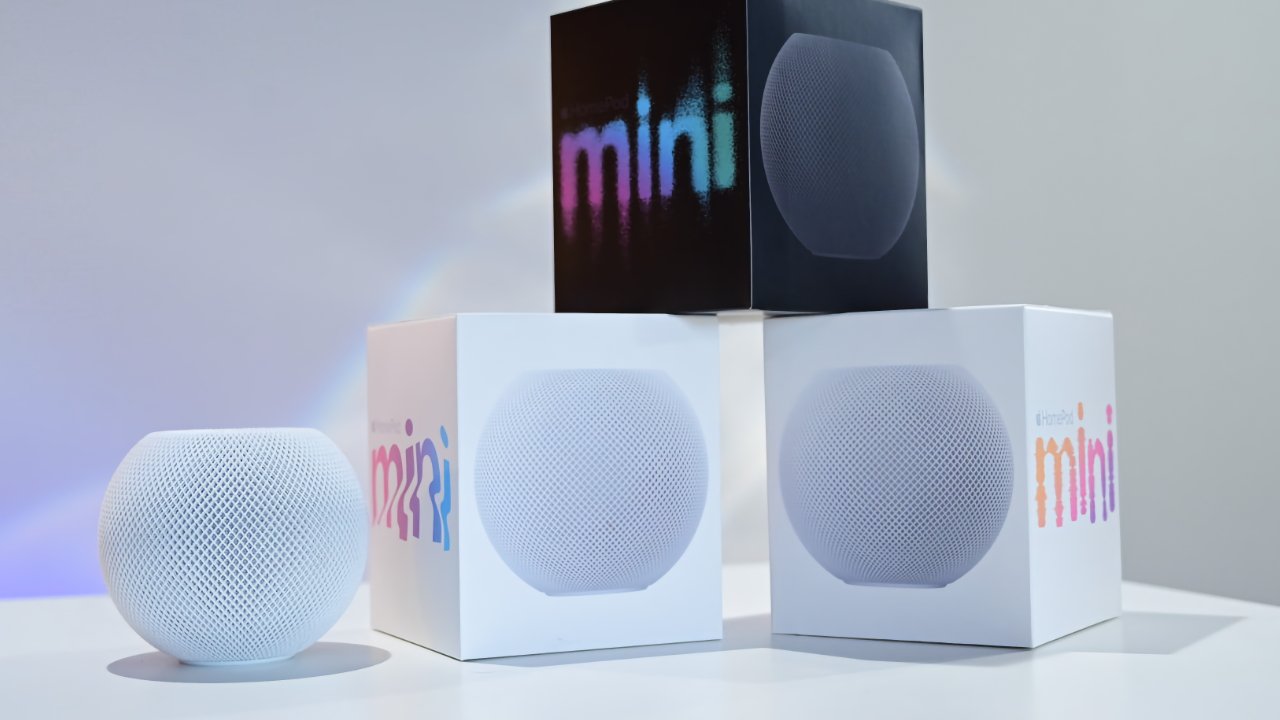
Apple is reportedly preparing to introduce an updated Apple TV 4K and a refreshed HomePod mini alongside its new HomeView smart home hub, as the company looks to expand its presence in the smart home market.
The devices are expected to be unveiled at Apple’s “Welcome Home” event on October 13, 2026, according to reports citing Bloomberg. The announcement is expected to include updates to both products, which have been awaiting significant hardware refreshes.
The new HomePod mini is reportedly set to feature an S10 processor, potentially delivering improved performance. It is also expected to arrive in additional colour options, including powder pink and forest green, alongside the existing blue, black and white finishes.
Meanwhile, the next-generation Apple TV 4K is expected to receive a processor upgrade. However, reports suggest that the device will use a standard A19 chip rather than the previously anticipated A20 Pro processor.
One of the more notable potential additions is a built-in microphone system that would allow users to interact with Siri directly through the Apple TV, without needing a HomePod or the Siri Remote.
Apple is also reportedly preparing a revised Siri Remote featuring a built-in speaker, which could make it easier for users to locate the remote when it is misplaced.
According to the reports, both the updated HomePod mini and the new Apple TV are expected to reach stores and begin shipping on October 30, 2026. These details remain subject to official confirmation from Apple.
Apple’s Smart Home Control Centre Reportedly Named ‘HomeView’