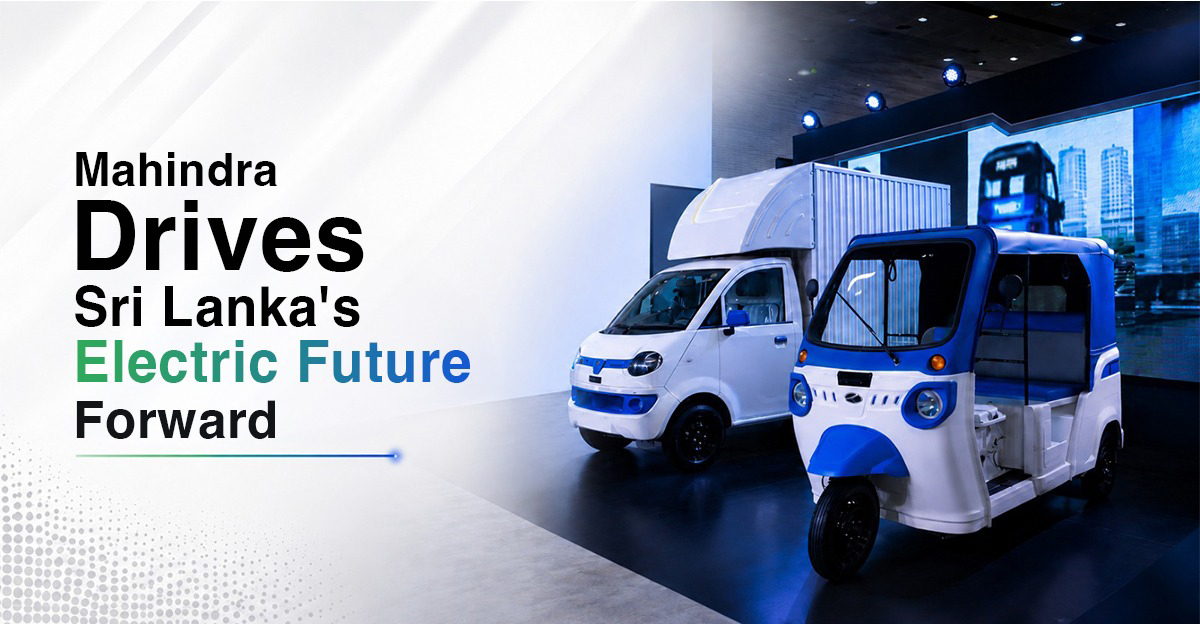





Mahindra by Evolution Auto made a strong impression at the Colombo EV Motor Show, showcasing its expanding portfolio of electric vehicles and reinforcing its position as a trusted mobility partner in Sri Lanka’s transition towards cleaner and more sustainable transportation.
The event provided an ideal platform for customers, business owners, fleet operators and mobility enthusiasts to experience Mahindra’s electric vehicle range firsthand. Visitors had the opportunity to explore the Mahindra Treo Plus, an electric passenger three-wheeler designed for efficient urban mobility; the Mahindra Zor, a cargo electric three-wheeler developed for last-mile delivery and commercial applications; and the Mahindra ZEO, a cargo four-wheeler engineered to meet the evolving needs of modern businesses.
Throughout the exhibition, the Mahindra stand attracted considerable interest, with visitors keen to understand the practical advantages of transitioning to electric mobility. Discussions extended beyond the vehicles themselves, covering key considerations such as operating cost savings, performance, charging convenience, cargo capacity, passenger comfort and long-term business value. For many visitors, the event provided an opportunity to gain a clearer understanding of how Mahindra’s EV solutions can support both personal transportation and commercial operations.
The Treo Plus attracted particular attention from passenger transport operators seeking a reliable and economical alternative to conventional fuel-powered three-wheelers. Its electric powertrain, low operating costs and suitability for urban travel positioned it as an appealing option for those looking to improve efficiency while reducing day-to-day expenses.
The Mahindra Zor also generated strong interest among small and medium-sized businesses, delivery operators and other commercial users looking for an efficient solution for urban cargo transportation. Meanwhile, the Mahindra ZEO demonstrated the brand’s growing capabilities in the electric commercial vehicle segment, offering businesses a future-ready solution with greater cargo capacity and enhanced operational efficiency.
Beyond showcasing its EV portfolio, Mahindra’s participation at the Colombo EV Motor Show created a valuable opportunity for direct customer engagement. The event helped address common questions and knowledge gaps surrounding electric vehicles by providing visitors with access to product information, demonstrations and expert guidance. This interaction contributed to greater awareness of the practical benefits of EV adoption, including the potential to lower operating costs while contributing to a cleaner and more sustainable transport ecosystem.
The strong response to Mahindra’s participation reflects the growing interest in electric mobility across Sri Lanka, as customers increasingly seek reliable, efficient and cost-effective alternatives to conventional vehicles. Strong visitor engagement and positive feedback at the exhibition further demonstrated the confidence customers place in established automotive brands offering proven electric mobility solutions.
As Sri Lanka continues its journey towards smarter, more sustainable transportation, Mahindra by Evolution Auto remains committed to providing reliable, efficient and future-ready electric vehicles that meet the evolving needs of individuals, businesses and commercial operators. Its participation at the Colombo EV Motor Show marks another important step in supporting the wider adoption of electric mobility across the country.
DIMO Elevates Sri Lankan Tennis with World-Class Floodlighting Project at SLTA
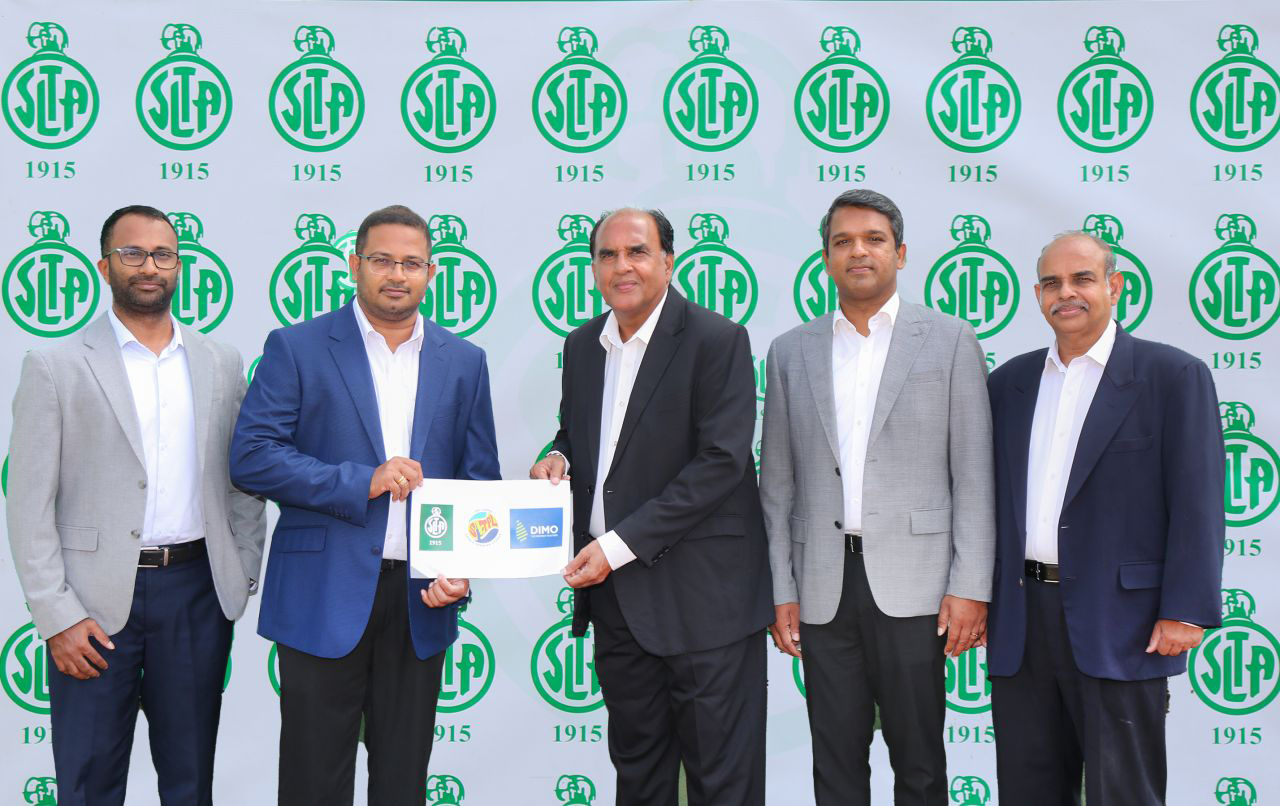
DIMO has partnered with the Sri Lanka Tennis Association (SLTA) and the Sri Lanka Tennis Premier League (SLTPL) to introduce an international-standard floodlighting system across four of Sri Lanka’s key hard courts, including the iconic centre court. The project marks a significant advancement in the country’s tennis infrastructure and is set to create new opportunities for player development and competitive tennis.
Designed in line with international federation guidelines, the new floodlighting system will enable year-round evening training and competitions while creating playing conditions comparable to those at leading international tennis venues. The initiative is expected to provide players with extended training hours, support long-term player development and strengthen Sri Lanka’s ability to host high-quality nighttime tennis events.
Working with leading international principal brands, DIMO is implementing the project through its in-house engineering expertise. The company’s scope covers technical design, electrical distribution, lighting simulations, installation, testing and commissioning, ensuring that the system meets international performance requirements.
The lighting system has been carefully engineered to provide uniform illumination while minimizing glare, allowing players to clearly track high-speed shots, overheads and lobs. In addition to enhancing playing conditions, the solution incorporates energy-efficient LED technology and zoned lighting controls, allowing individual courts to be illuminated independently. This approach is designed to reduce energy consumption and operating costs while also supporting broadcasting requirements for future events.
Commenting on the partnership, Wijith Pushpawela, Executive Director at DIMO, said, “Great sporting achievements begin with the right infrastructure. Through this partnership with the Sri Lanka Tennis Association and the Sri Lanka Tennis Premier League, we are providing an international-standard lighting solution that will allow players to train for longer, compete in professional conditions and prepare for the demands of the global stage. We are honoured to contribute our engineering expertise to a project that will support the continued growth of Sri Lankan tennis.”
Representing the Sri Lanka Tennis Association, Iqbal Bin Issack, President of the SLTA, said, “For Sri Lankan tennis, this project is a significant turning point. Extended playing hours and international-standard lighting will significantly strengthen our player development programmes while enhancing our ability to host both local and international competitions. We are pleased to partner with DIMO to deliver infrastructure that will benefit coaches, players and the wider tennis community for many years to come.”
The project is currently progressing through installation, testing and commissioning and is expected to be completed in the coming weeks. An evening exhibition match will officially unveil the upgraded courts, marking a new chapter in Sri Lanka’s tennis landscape.
As “The Perfect Partner,” DIMO continues to deliver innovative engineering solutions that create lasting value across communities and industries. Through this latest initiative, the company is extending that commitment to Sri Lanka’s sporting sector, helping create the infrastructure needed to nurture talent, elevate performance and support the country’s ambitions on the international tennis stage.
Mahindra Drives Electric Mobility Forward at Colombo EV Motor Show 2026