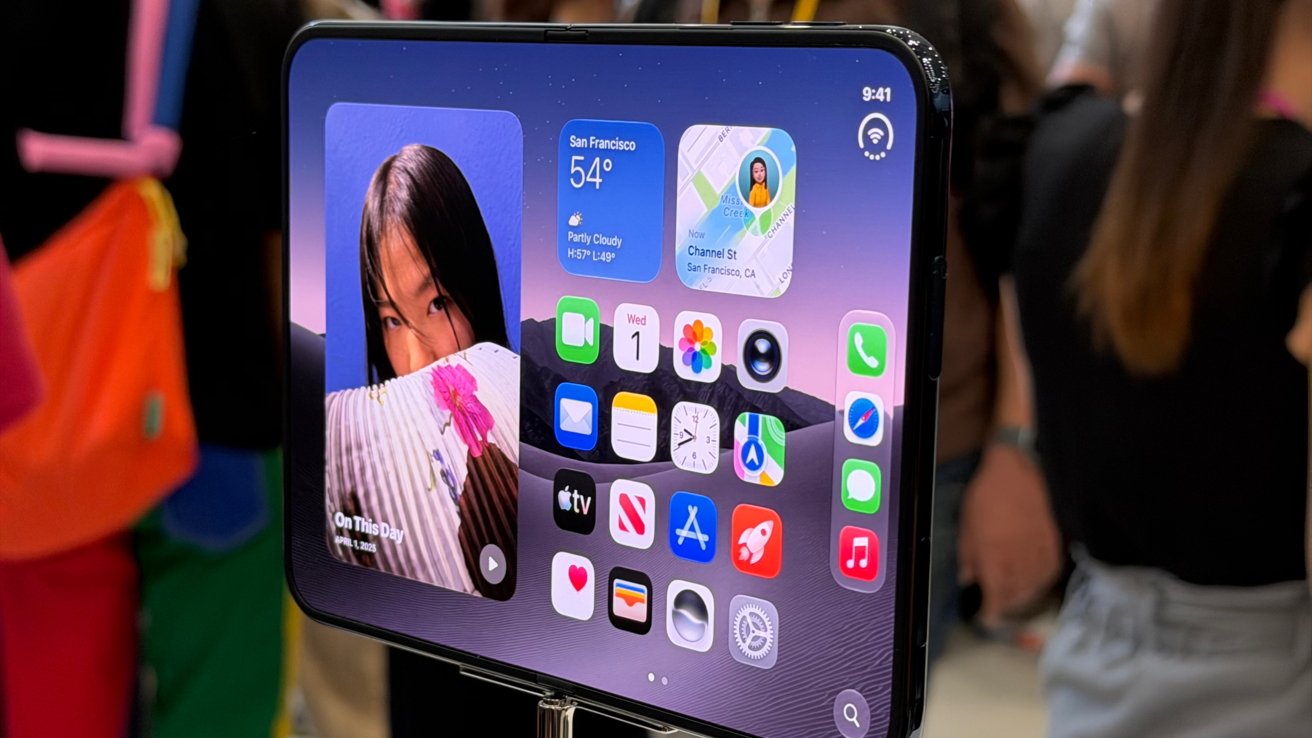





When unfolded, the iPhone Duo features a 7.6-inch OLED display, just a few tenths of an inch smaller than the current iPad mini’s 8.3-inch IPS display. Unlike the iPad mini, however, the iPhone Duo can fold down when not in use, making it considerably more pocket-friendly.
For some users, that alone could be enough to replace an iPad mini. However, the iPhone Duo is not without its compromises, and there remains a strong case for a compact tablet such as the iPad mini.
Rather than necessarily cannibalising the iPad mini’s market, the iPhone Duo could coexist alongside it. Ultimately, the choice between the two—or the decision to own both—comes down to how users prefer to use their devices.
iPhone Duo: An iPad That Fits in Your Pocket
The idea of a foldable iPhone has been appealing for years. Even before experiencing devices such as the Oppo Find N5, the concept of an iPhone that could transform into an iPad-sized device was intriguing.
Having now seen the iPhone Duo, albeit not yet in person, the appeal is already clear. Interestingly, part of that enthusiasm comes from time spent using the A17 Pro iPad mini.
Despite its limitations, the iPad mini is an excellent device for a wide range of tasks. Whether browsing websites, reading content or playing games, its larger display offers a significant upgrade over even the biggest iPhone screens.
Until now, that is.
One of the biggest limitations of the iPad mini is its portability in everyday use. For some users, it becomes primarily a home device—something to reach for while relaxing on the sofa. Outside the home, the iPhone remains the more practical option.
The iPhone Duo could eliminate that compromise by combining the portability of an iPhone with the larger screen experience of a tablet. Instead of choosing between a pocket-friendly smartphone and a compact tablet, users could have both experiences in a single device, available whenever needed.
That combination makes the iPhone Duo particularly appealing for users who rely on their iPhones as portable computers. A larger screen can be useful for everything from managing emails to catching up on the latest technology news, without requiring a separate tablet.
There are other advantages as well. The iPhone Duo’s foldable OLED display is expected to be brighter and more advanced than the panel used by the iPad mini. Given the significant difference in price between the devices, that premium display experience would be an important part of the Duo’s appeal.
iPhone Duo Won’t Support Every MagSafe Accessory—and That’s Okay
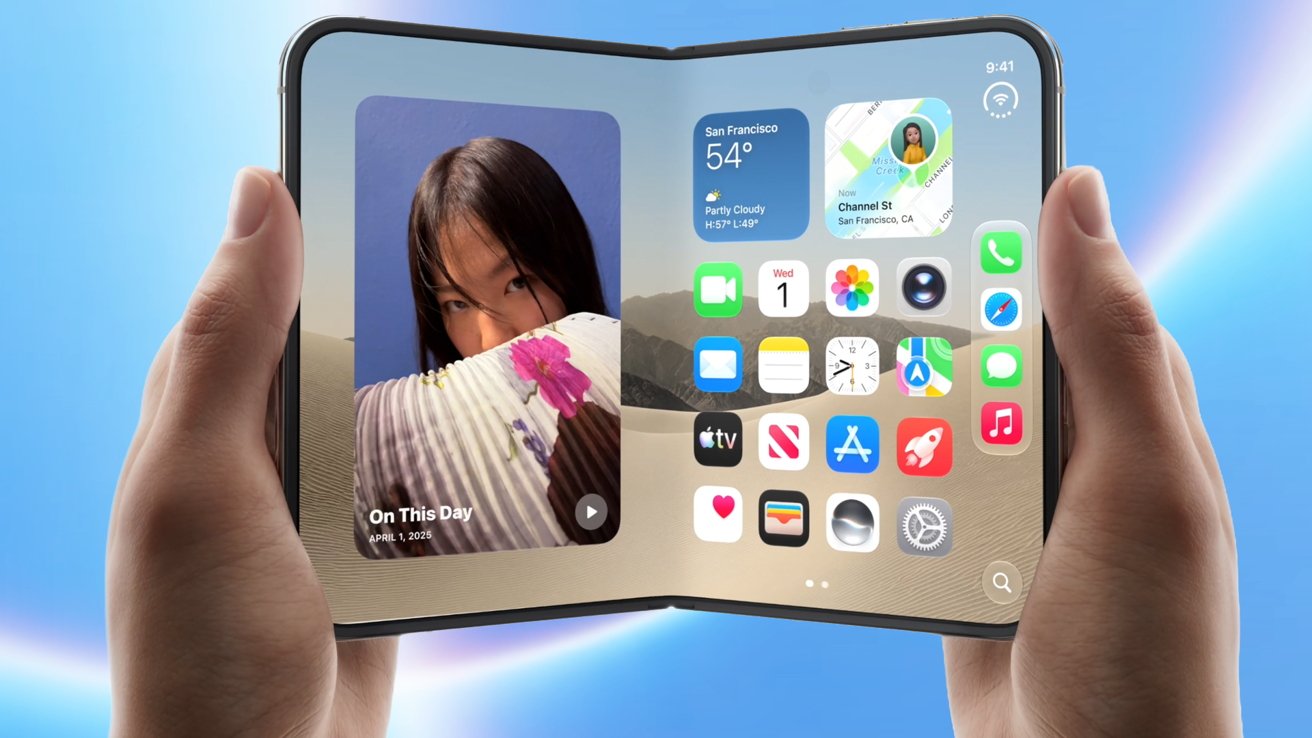
Yes, the iPhone Duo comes with MagSafe. However, it won’t be broadly compatible with many of the MagSafe accessories we already own and love—and that’s perfectly okay.
On September 9, 2026, Apple’s new CEO, John Ternus, surprised audiences with a “One More Thing” announcement that, at least for everyone at AppleInsider, was hardly unexpected: the iPhone Duo.
Apple’s first foldable iPhone is a compact, squat-shaped smartphone that looks like what might happen if the iPhone mini and iPad mini were combined in the machine from the 1986 Cronenberg horror film The Fly.
The iPhone Duo’s unusual form factor has been known for some time, and it’s one I personally like. I’ve previously made no secret of my frustration over Apple discontinuing the iPhone mini, so the Duo’s design is particularly appealing to me.
If it weren’t for its $1,999 price tag, the iPhone Duo would genuinely be tempting—especially with support for the Apple Pencil.
However, when looking at the iPhone Duo, it doesn’t immediately feel like a traditional iPhone. That’s probably why I didn’t initially consider how its unusual shape could create compatibility issues with existing iPhone accessories.
The biggest concern is MagSafe wallets and MagSafe batteries.
At the moment, there aren’t many MagSafe batteries that appear likely to work particularly well with the iPhone Duo. The device simply doesn’t leave enough space between the MagSafe ring and the camera island, while some existing batteries may extend beyond the bottom edge of the phone.
Apple will probably introduce a first-party solution eventually, much like it did for the iPhone Air. Third-party accessory makers are also likely to develop compact, square-shaped batteries specifically designed to fit neatly onto the back of the Duo.
That market is almost certainly coming.
As the iPhone Duo establishes itself, there will be strong demand for MagSafe batteries designed specifically for its three-screen configuration—offering a secure fit and practical battery capacity without compromising the device’s unique design.
Decision Time: iPhone Duo vs iPhone 18 Pro and iPad mini