





OpenAI has officially introduced its latest voice model, GPT-Live, bringing a more natural conversational experience to ChatGPT users through real-time listening and speaking capabilities.
Unlike previous voice interactions that required users to wait before responding, GPT-Live is designed to support continuous conversations by understanding pauses, interruptions and conversational flow. The model can determine when to speak and when to listen, creating a smoother and more human-like interaction experience.
Available globally, GPT-Live-1 will become the default voice model for paid ChatGPT users, while free-tier users will receive access to GPT-Live-1 mini.
Dual-Model Intelligence for Seamless Conversations
GPT-Live introduces advanced conversational abilities, including verbal active-listening responses such as “mhmm” and “got it,” supported by nine upgraded system voices. The model is designed to maintain engagement during conversations while handling more complex background tasks.
For advanced requests such as agent-based web searches or complex reasoning tasks, GPT-Live can delegate heavier workloads to GPT-5.5 while continuing the voice interaction without noticeable pauses.
Users will also have the option to choose between different response modes, including Instant mode for faster answers and Medium or High reasoning modes when deeper analysis is required.
Enhanced Safety and Future Developer Access
OpenAI has also introduced audio-focused safety measures designed to prevent voice impersonation, support younger users through parental control features and manage higher-risk conversations by guiding or ending interactions when necessary.
While the consumer rollout is now available, developers may need to wait longer for API access, as the developer release has been delayed. OpenAI has opened a notification sign-up option for those interested in future API availability.
With GPT-Live, OpenAI aims to make AI voice interactions more fluid, responsive and closer to natural human conversations, marking another step forward in conversational AI technology.
JAECOO J5 EV Makes First Public Appearance in Malaysia at Oh My Meow! Expo 2026
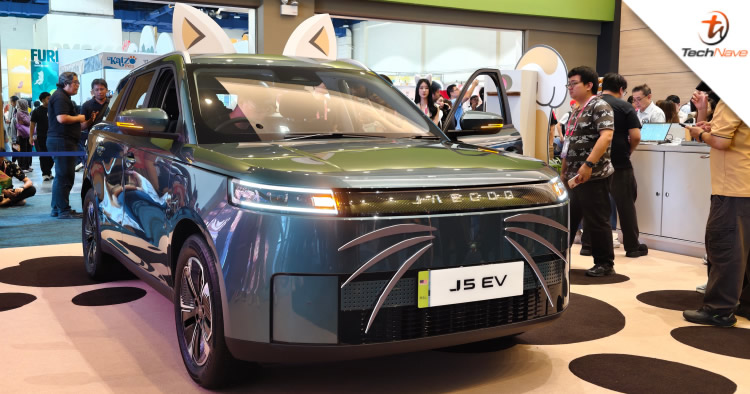
OMODA | JAECOO Malaysia has unveiled its first fully electric SUV, the JAECOO J5 EV, at the Oh My Meow Expo 2026, held from 9 to 12 July 2026. The public preview gives Malaysian consumers an opportunity to experience the brand’s latest electric vehicle offering ahead of its official launch.
The JAECOO J5 EV features a 155kW electric motor, delivering 288Nm of torque, paired with a 58.9kWh CATL Lithium Iron Phosphate (LFP) battery. The SUV offers a claimed driving range of up to 402km on the WLTP cycle, making it a practical option for everyday urban mobility and longer journeys.
Advanced Electric Performance and Technology
The electric SUV incorporates Active Grille Shutter technology to improve aerodynamic efficiency and optimise energy usage. It is also equipped with Level 2+ Advanced Driver Assistance Systems (ADAS) featuring 19 safety functions, along with a 540-degree HD surround-view camera system to enhance driver awareness.
Inside the cabin, the JAECOO J5 EV features a large 13.2-inch 2K central display designed to provide an intuitive digital interface and seamless access to vehicle functions.
Designed for Families and Pet-Friendly Lifestyles
Developed with families and pet owners in mind, the JAECOO J5 EV offers a spacious interior with a 1.45-square-metre panoramic glass roof, double-glazed front side windows for reduced noise levels, rear multi-link suspension for improved comfort and dual-zone automatic climate control.
The SUV also provides extensive practicality with 35 smart storage compartments, a 35-litre front trunk and a 480-litre rear cargo area. A Vehicle-to-Load (V2L) function allows users to power external electronic devices directly from the vehicle, adding greater versatility for outdoor activities and daily use.
With its combination of electric performance, advanced safety features and lifestyle-focused design, the JAECOO J5 EV highlights the brand’s move towards smart, sustainable mobility solutions in the growing electric vehicle market.
penAI Launches GPT Live Voice Feature for Real-Time, Natural Conversations