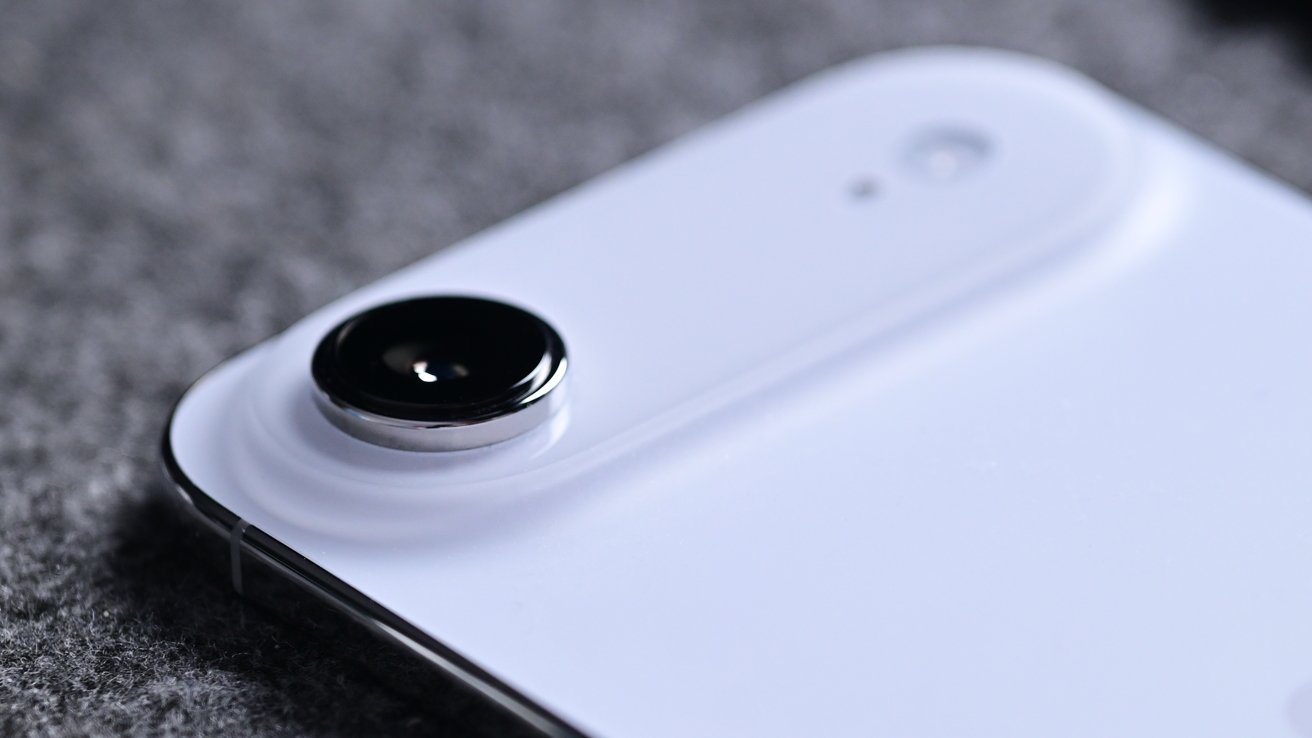
Product identifiers rarely provide a clear picture of Apple’s upcoming hardware plans. In many cases, they offer little more than speculation until the identifiers eventually appear in official documentation for products that have already launched.
A newly discovered list in Apple’s backend reportedly contains 37 hardware identifiers covering iPhone, Mac and other Apple products, although the information provides few additional details about what they represent.
According to a social media post by code researcher Aaron Perris, the new identifiers were recently spotted in Apple’s backend systems. While most are believed to correspond to products that have already been rumoured, at least one identifier remains unexplained.
Seven new iPhone identifiers have reportedly appeared, despite only six models currently being expected in Apple’s upcoming lineup. These include the iPhone 18e, iPhone 18, iPhone 18 Pro, iPhone 18 Pro Max, iPhone Ultra and iPhone Air 2.
The seventh identifier could point to an unannounced variant of one of these models. It may represent a second size option for the iPhone Air 2 or iPhone 18e, although it could also belong to an entirely different device.
For now, the identifiers provide no reliable indication of when the products will be released. As with previous Apple backend discoveries, more concrete details are likely to emerge only when the identifiers are connected to official product documentation or other launch-related information.
GameSir Pocket Taco Review: A Retro Controller with Plenty of Potential and a Few Drawbacks
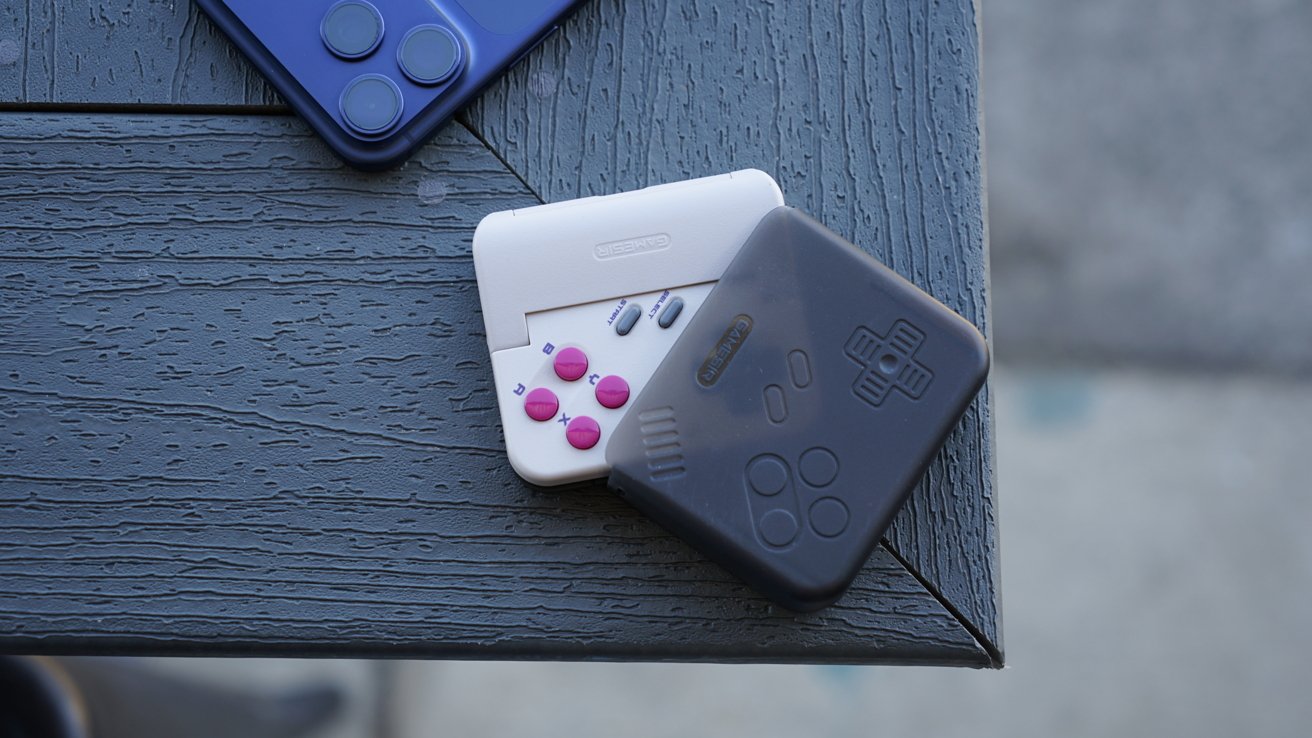
Since Apple opened the door to emulator apps on the iPhone, gamers have been searching for the ideal controller for retro gaming. The market now includes everything from phone mounts and clip-on accessories to traditional standalone controllers, but the GameSir Pocket Taco takes a somewhat different approach.
Rather than functioning as a simple capacitive button attachment like the Gamebaby, the Pocket Taco is a complete Bluetooth game controller designed to attach to an iPhone. This approach has a clear advantage for users who do not want a controller permanently connected to their phone and prefer the flexibility of using their iPhone normally when they're not gaming.
However, this type of controller also comes with some inherent limitations. Despite a few shortcomings, the Pocket Taco is an impressive little accessory that delivers plenty of functionality at a relatively affordable price.
GameSir Pocket Taco Review: Design and Features
Compared with some of the excellent controller experiences currently available, the Pocket Taco's overall gaming experience can feel somewhat average. That's not necessarily a criticism of GameSir's execution, but rather a reflection of the compromises that come with this particular form factor.
The compact design makes the controller convenient and portable, but fitting a full gaming experience into such a small accessory inevitably involves tradeoffs. For retro gaming and emulation, however, the Pocket Taco manages to offer a practical and enjoyable experience without requiring users to carry a larger traditional controller.
New Apple Product Identifiers Surface in Backend, But Reveal Little About Launch Plans