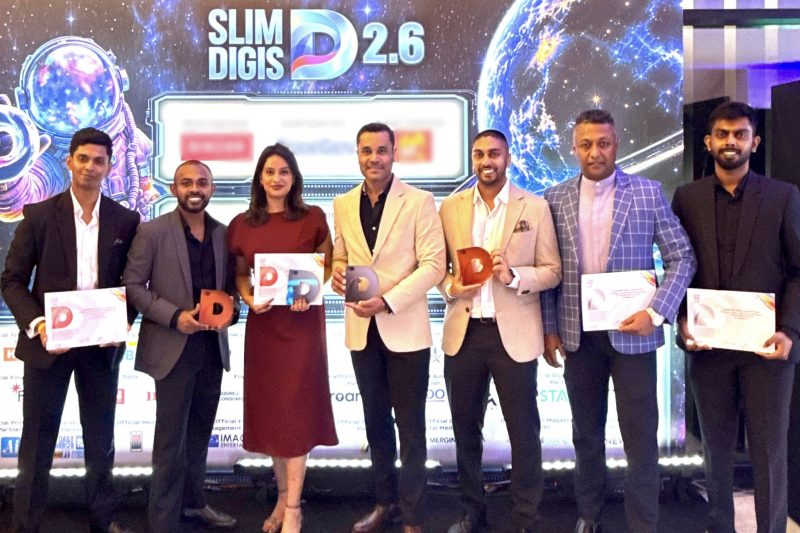





JAT Holdings PLC has received four awards at SLIM DIGIS 2.6, recognising the company’s digital marketing campaigns for Hydro+ and Harris across brand-building, product launch and integrated communications categories.
The Hydro+ “Bithi Dosa” campaign led the company’s achievements, securing two Silver Awards and one Bronze Award. It won Silver in both the Best Use of Digital in a Brand Launch/Relaunch category and the Real Estate / Building Material / Hardware Brands category, while also receiving Bronze for Cross Media Integration.
The Bithi Dosa campaign was built around a distinctly Sri Lankan consumer insight, using the familiar cultural concept of “Gedara Dosa” (Home Affliction) to describe common problems such as dampness, algae and fungal growth on walls. By creating intrigue around the concept before introducing Hydro+ and its waterproofing solutions, the campaign transformed a traditionally functional product category into a more relatable and culturally relevant consumer conversation.
JAT’s Harris campaign, “Siyawasaka Vishwasaniya Vishwasayak”, meaning “100 Years of Reliable Trust”, also received a Bronze Award in the Real Estate / Building Material / Hardware Brands category. Drawing on Harris’ century-long heritage, the campaign highlighted the brand’s longstanding values of reliability and trust while demonstrating how established brand equity can be communicated through contemporary digital storytelling.
Commenting on the recognition, Dilshan Rodrigo, Director – Sales & Marketing at JAT Holdings PLC, said the company’s campaigns were designed to move beyond traditional product-focused communication and instead begin with genuine consumer insights.
He explained that the Bithi Dosa campaign gave consumers a familiar way to describe a common frustration that had not previously had a clear name. This insight helped the brand start a conversation around the problem before presenting Hydro+ as the solution.
According to Rodrigo, the approach reflects JAT’s broader ambition to build brands by identifying genuine consumer needs, creating meaningful relevance and giving consumers a compelling reason to choose its products.
Digital Breakers Wins Gold and Three More SLIM DIGIS 2026 Awards for Abans “Only Fans” Campaign
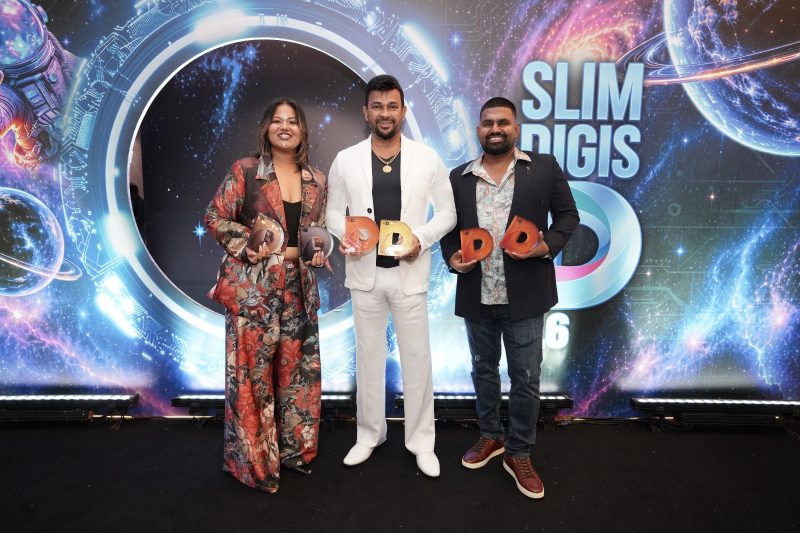
Digital Breakers has achieved a notable milestone at SLIM DIGIS 2026, winning four awards, including a Gold Award for Best Creative Content Brand Created in 2025, for its innovative “Only Fans” campaign developed for Abans and featuring renowned Sri Lankan actor Ranjan Ramanayake.
The campaign was created to introduce Abans’ rust-free and energy-efficient standing fans, turning what is traditionally a functional consumer product category into a more engaging and conversation-led brand experience. Through a combination of creative storytelling, celebrity endorsement and unconventional messaging, Digital Breakers developed a distinctive concept to support the product launch and capture audience attention.
The campaign also secured Silver Awards in both the Retail (Grocery, Clothing & Consumer Durables) Brands and Bravery Award categories, along with a Bronze Award for Best Influencer Campaign. The four recognitions highlight the campaign’s creative execution, strategic approach and use of influencer-driven communication within the retail sector.
A key element of the campaign was the selection of Ranjan Ramanayake, whose strong public profile and recognisable personality helped amplify the campaign’s reach and attention value. By taking a less conventional approach to consumer durables advertising, the campaign demonstrated how familiar product categories can be presented through culturally relevant ideas and engaging brand narratives.
The achievement highlights Digital Breakers’ continued focus on developing creative and results-driven communication strategies that go beyond conventional advertising. Its collaboration with Abans demonstrates how creative thinking, strategic positioning and compelling content can be combined to generate stronger consumer engagement in an increasingly competitive digital landscape.
The four awards at SLIM DIGIS 2026 mark another significant achievement for Digital Breakers, recognising the agency’s focus on creative excellence and its ability to develop distinctive campaigns that create meaningful connections between brands and their audiences.
JAT Earns Four SLIM DIGIS Awards for Excellence in Digital Brand Building