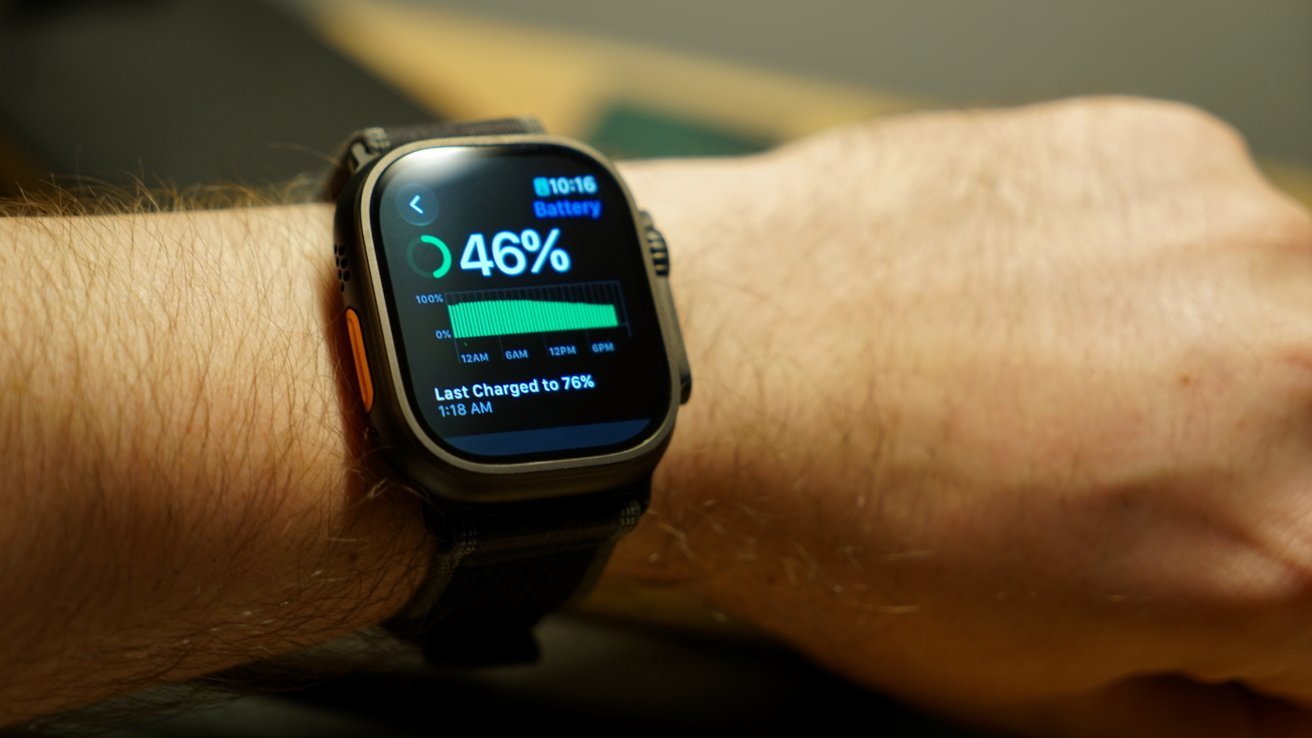
A teardown of Apple's latest Apple Watch models has revealed that the Series 12 includes a couple of small changes that could make repairs easier. However, the Apple Watch Ultra 4 appears to offer virtually no improvement when it comes to repairability.
With the Apple Watch Series 12 and Apple Watch Ultra lineup, Apple introduced an updated health-sensing system, improved battery performance and the more powerful S11 chip. Despite those internal upgrades, the overall design of both watches remains largely unchanged from the previous generation.
That familiar design may have helped Apple maintain consistency, but it also means there are few meaningful improvements for people who need to repair the devices.
According to an iFixit teardown, the Apple Watch Ultra 4 does not include any significant repairability improvements. Some of its sensor components can be reached by removing screws from the back of the watch, but replacing the battery still requires the device to be opened from the display side.
The Series 12 follows a similar approach, although Apple has made two relatively small changes.
One improvement involves the battery. The Series 12 uses stretch adhesive to secure the battery, allowing it to be removed without the pry tool required when replacing the battery in the previous Series 11.
Apple has also redesigned the display connection. Earlier models used a traditional ZIF connector, whereas the Series 12 uses a press connector positioned beneath a retaining bracket.
These changes are certainly positive for repairability, but they are relatively modest rather than revolutionary. Apple could arguably have made more substantial improvements, particularly with the Ultra 4.
For now, anyone hoping for a major redesign aimed at making Apple Watches easier to repair may have to wait. Apple appears comfortable with the current internal architecture, and significant changes could still be several generations away.
Another Apple Price Increase Could Arrive Before March 2027
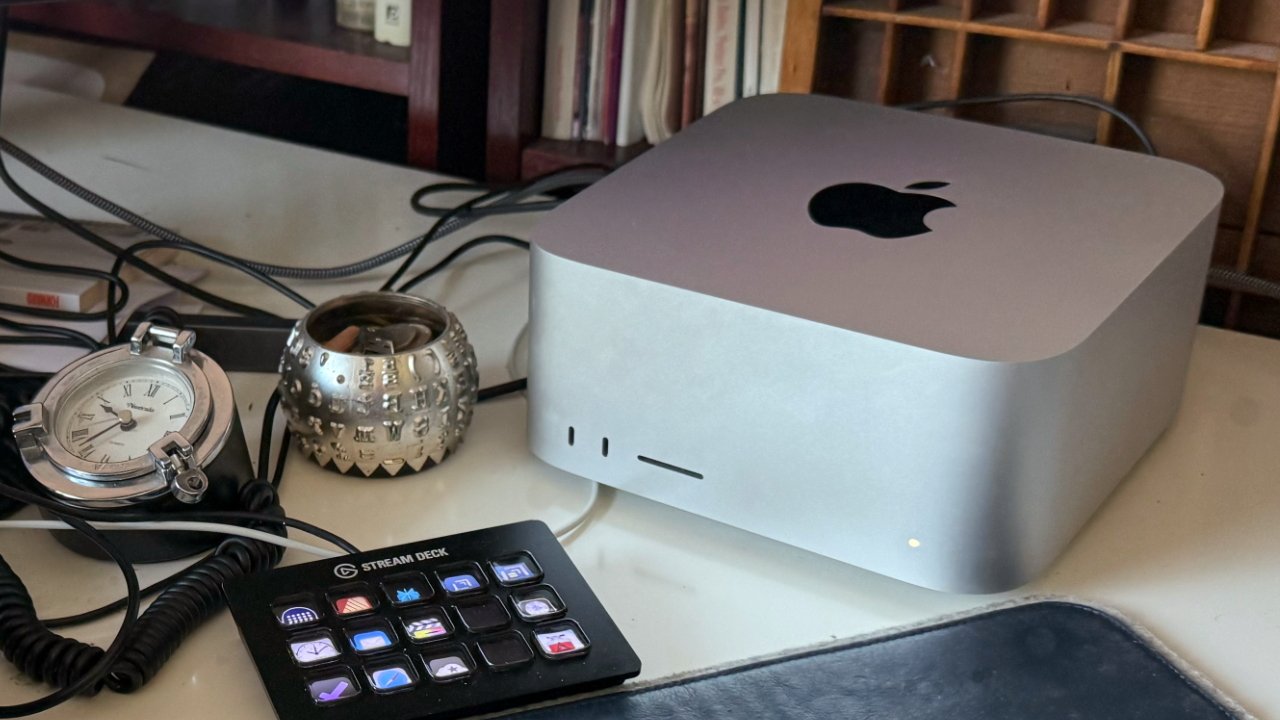
Apple has not confirmed that another round of price increases is coming for the iPhone, Mac or other devices. However, growing pressure across the global semiconductor industry is raising concerns that higher prices could become unavoidable sooner rather than later.
For consumers considering an Apple purchase, that could make timing increasingly important. There is currently little indication that retail prices will fall in the near future, particularly as manufacturers continue to face higher costs for memory and other critical components.
Apple's pricing strategy already came under pressure in July 2026, when the company raised prices on several Mac and iPad models. The iPhone largely avoided a similar increase at the time, although that appeared to be a temporary reprieve.
The underlying problem is closely linked to the global semiconductor market. Demand from artificial intelligence companies has surged, making processors, memory and other components more expensive and placing additional pressure on manufacturers.
Micron CEO Sanjay Mehrotra warned in August that the supply situation could remain challenging for years. He said the industry did not expect memory supply to fully catch up with growing demand until 2028, with AI-related workloads becoming a major driver of that demand.
Since then, the outlook has become even more challenging. Apple devices are already more expensive than they were previously, while the company is also believed to be facing significantly higher costs for some components.
On October 1, 2026, Mehrotra offered another update during Micron's latest earnings discussion, indicating that the supply-demand imbalance could become even tighter.
According to Mehrotra, Micron expects memory and storage supply conditions to be considerably tighter in 2027 and 2028 than they were in 2026.
He also revealed that conversations with major customers are already extending well into 2028, with some companies seeking supply commitments beyond 2030.
For Apple and other electronics manufacturers, the longer this imbalance continues, the greater the potential pressure on product costs. Whether those additional expenses are absorbed by manufacturers or ultimately passed on to consumers remains to be seen, but the semiconductor market suggests that pricing pressure is unlikely to disappear quickly.
pple Watch Series 12 Gets a Repairability Boost, While Ultra 4 Stays the Same