




Salon owners and beauty professionals have gained practical guidance on financial management, taxation and business growth through two recent programmes supported by DFCC Aloka.
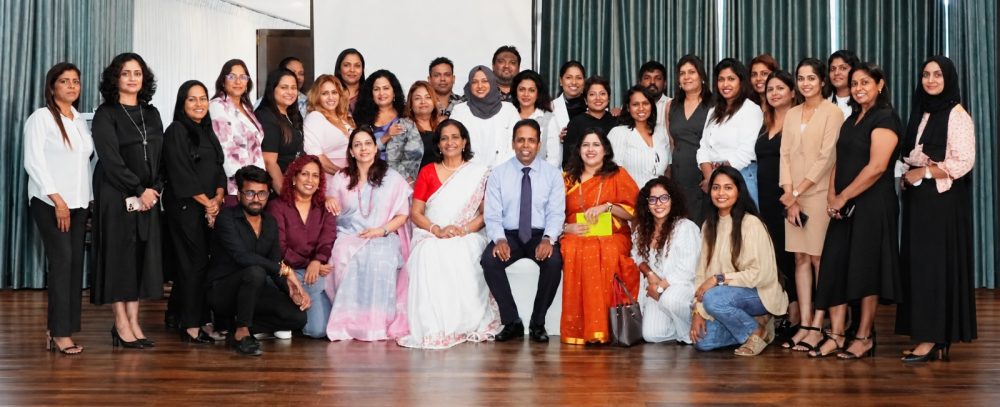
The first programme, organised by the Institute of Hairdressers and Beauticians at Waters Edge, focused on the financial disciplines required to build and sustain a successful small business. Participants explored areas including financial management, banking, saving and investment, as well as taxation and statutory obligations.
The second programme, the Salon Owners Entrepreneurship Development Programme, was hosted by DFCC Aloka at the DFCC Bank Head Office, bringing together financial knowledge, business development and industry experience.
Nayana Karunaratne, Founder of the Institute of Hairdressers and Beauticians, joined other specialists to lead sessions covering business growth, taxation, financial literacy, personal branding, capital market investments and the DFCC Aloka Pragathi Loan Scheme.
The programmes addressed a key challenge faced by many service-based entrepreneurs. While technical expertise and customer trust are essential to establishing a salon, sustaining and expanding a business also requires knowledge of cash flow management, financial record-keeping, taxation, investment and business planning.
Both programmes provided participants with an opportunity to discuss the day-to-day realities of running their businesses with financial and industry specialists.
By bringing together practical industry experience and financial expertise, DFCC Aloka aims to support women entrepreneurs in strengthening their businesses today while preparing for future growth.
Ceylon Chamber Continues Business Continuity Training for Private Sector
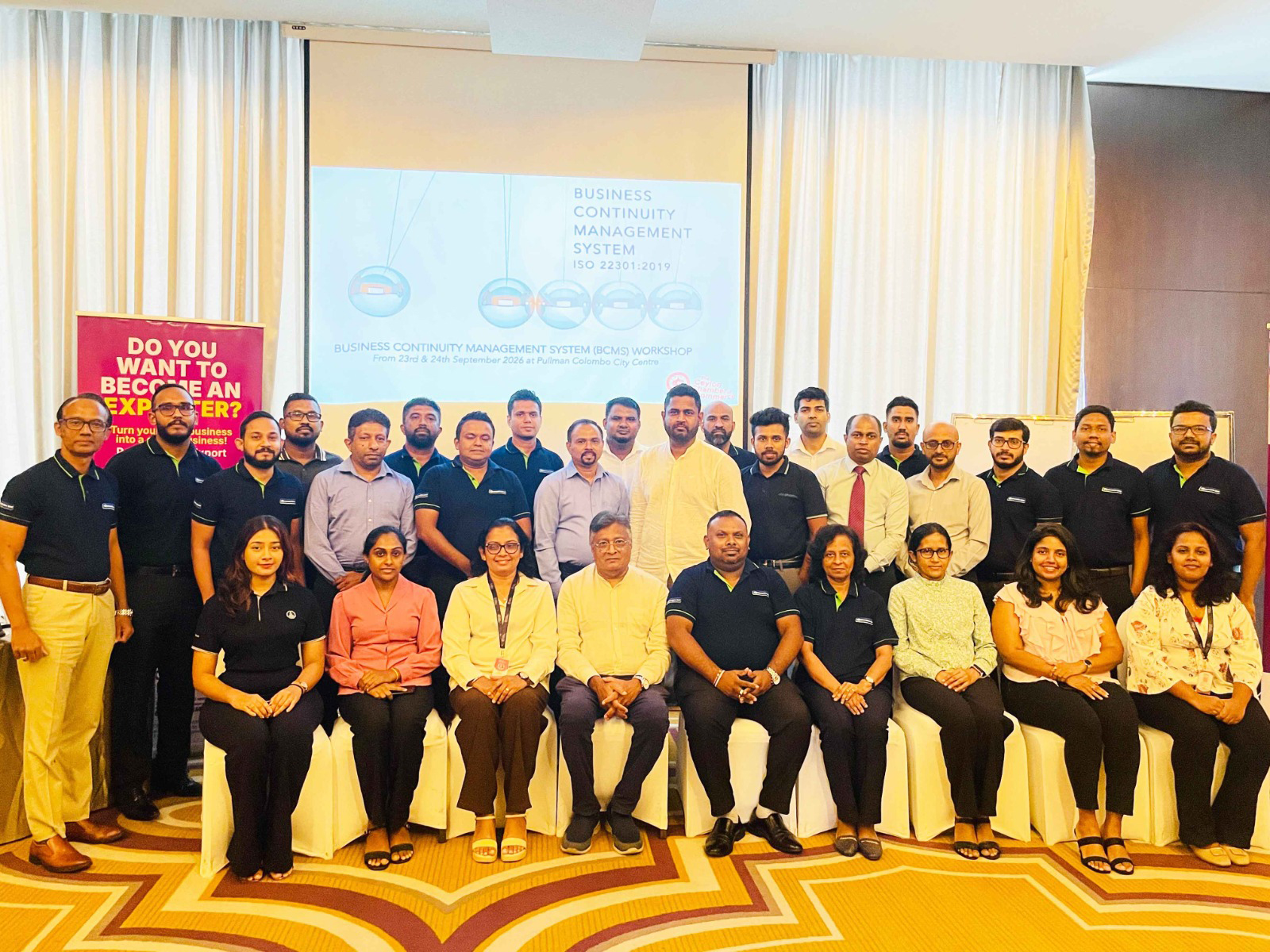
The Ceylon Chamber of Commerce is continuing efforts to strengthen business continuity across Sri Lanka’s private sector, with the latest in a series of Business Continuity Management (BCM) workshops completed this week.
The initiative supports the National Disaster Management Plan 2023–2030, which identifies the Ceylon Chamber as a lead implementing entity responsible for supporting private-sector businesses in preparing and implementing Business Continuity Plans for disaster recovery and sustainability.
The two-day workshop, conducted through the Chamber’s Centre for SMEs, introduced businesses to key aspects of Business Continuity Management, organisational resilience and disaster preparedness, with a focus on maintaining critical operations and enabling effective recovery following disruptions.
The national plan recognises the importance of keeping private-sector manufacturing, production, services and employment functioning during disasters as part of broader national preparedness. It calls on businesses to develop contingency plans and integrate them with wider disaster management structures.
Business continuity therefore extends beyond individual organisations. Disruptions to one business can affect employees, suppliers, customers and other companies across interconnected supply chains, making preparedness an important component of maintaining economic activity during disasters and other major disruptions.
The workshop follows an ISO 22301:2019-based BCM curriculum developed under the World Food Programme’s Disaster and Climate Resilience Project. It was facilitated by Bandula Wickramarachchi, an ISO-certified BCM trainer specialising in Business Continuity Management and organisational resilience.
Through its Centre for SMEs, the Ceylon Chamber continues to conduct BCM workshops and capacity-building programmes for corporates and SMEs. The programmes are designed to help businesses identify critical functions, assess potential disruptions, and establish appropriate arrangements for responding to and recovering from them.
DFCC Aloka Empowers Women in the Beauty Industry with Essential Business Skills