




For Keells, freshness has always meant more than what reaches a supermarket shelf. It represents a commitment built over 35 years to improving everyday experiences, strengthening communities and creating opportunities for the people connected to its journey.
As Keells surpasses its 150th outlet milestone, the brand is reflecting on a journey in which freshness has been brought to life through convenience, trust and care. From empowering farmers and employees to connecting families with fresh choices, Keells has continued to evolve around its purpose of improving the quality of life for the nation.
Since opening its first store at Liberty Plaza, Colombo, in 1991, Keells has evolved alongside changing consumer needs, moving beyond traditional retail to create a connected ecosystem that supports customers, farmers, suppliers, employees and communities. Today, with 150 stores across Sri Lanka, the brand continues to build on this purpose.
For customers, this journey is reflected in the everyday choices and experiences Keells continues to offer. From farm-fresh produce and prepared food to an expanding range of products, new food experiences and digital innovations such as the Keells Nexus App, the brand continues to adapt to the changing needs of Sri Lankan households.
The Nexus ecosystem now connects with 2.9 million members, providing a more personalised and accessible omnichannel experience through relevant promotions, personalised offers and exclusive rewards.
Beyond sourcing fresh produce, Keells continues to invest in strengthening Sri Lanka’s farming ecosystem. More than 2,000 farmers, including female agripreneurs, have been trained in areas such as financial literacy, climate-resilient agriculture, organic farming and sustainable cultivation. Model farms and new agricultural technologies further support farmers in improving productivity and reducing losses.
At the heart of Keells’ freshness journey are the farmers who make it possible. Working with more than 4,000 active farmers through 10 collection centres, Keells has established a direct sourcing network that connects agricultural communities with consumers across the country.
Through initiatives such as Govi Diriya, farmers receive support in climate-resilient agriculture, sustainable cultivation and Good Agricultural Practices (GAP) certification. The programme also provides awareness and precautionary guidance to help farmers prepare for challenges such as El Niño.
With more than 6,500 employees, Keells continues to create opportunities through training, career development and wellbeing initiatives. Through partnerships such as NAITA certification, the company supports employees in developing recognised skills and progressing in their careers.
This is complemented by initiatives designed to support employees through different stages of their lives. These include leadership development and career growth opportunities for women through She Rises, mental and social wellbeing support through Peace Pod, and practical guidance on personal financial management through the Financial Wellbeing Programme.
Sumathi IT Marks 25 Years of Technology Leadership in Sri Lanka
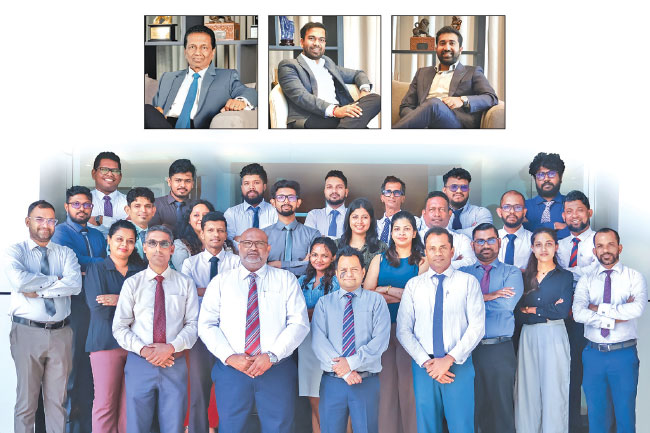
Sumathi Information Technologies (Pvt) Ltd (SIT), the technology arm of Sumathi Holdings, is marking 25 years in Sri Lanka’s ICT industry in 2026, celebrating a journey that has seen the company evolve from a provider of networking and end-user devices into an end-to-end enterprise technology and systems integration provider.
The company is commemorating its 25th anniversary under the theme ‘25 Years of Excellence. Built on Trust. Driven by Technology’, highlighting the role of technical expertise, client relationships and technology partnerships in its growth.
Operating since 2001, SIT has evolved alongside the changing technology requirements of Sri Lankan businesses, expanding its capabilities across data centres, enterprise networking, information security, smart infrastructure, unified communications, end-user computing, managed services, and geospatial and UAV engineering.
Rather than focusing solely on individual technology products, SIT takes an end-to-end approach, delivering solutions across the organisational technology lifecycle — from consultation and design through to implementation, optimisation and ongoing support.
The company’s technical capabilities have been further strengthened through partnerships with global technology leaders, with several milestones reflecting its growing expertise. SIT was recognised as Juniper Networks’ Partner of the Year in 2023, introduced Sri Lanka’s first DJI Dock 3 in 2025, and has been recognised as Sri Lanka’s only HPE Gold Partner for Networking for 2026.
The introduction of the DJI Dock 3 also highlights SIT’s expansion into emerging technologies, including autonomous systems, geospatial intelligence and advanced engineering applications.
Commenting on the milestone, SIT Chief Executive Officer Chandima Wickramatunge said: “For 25 years, Sumathi IT has remained committed to pioneering technology solutions that enable businesses to grow, transform and move forward with confidence. This journey has been shaped by the trust of our clients, the dedication of our people and the strength of the partnerships we have built along the way.
“As we celebrate this important milestone, we extend our sincere appreciation to everyone who has been part of our journey and look forward to continuing to create meaningful value through technology in the years ahead.”
Keells Marks 35 Years of Keeping Life Fresh for Sri Lanka