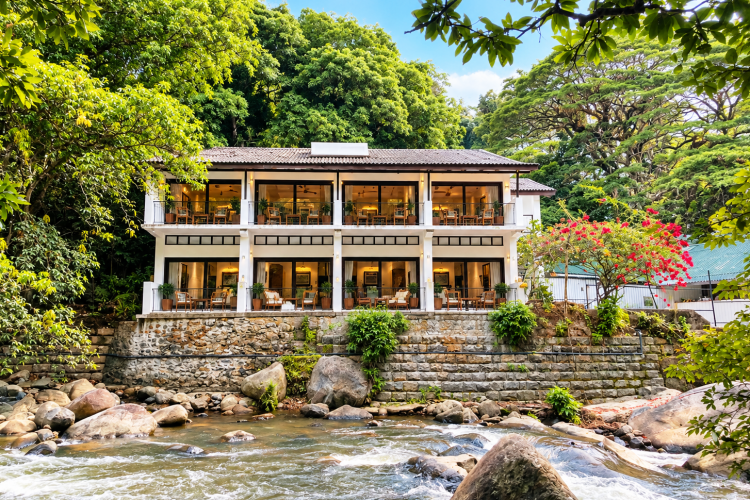





EKHO Hotels & Resorts has expanded its growing portfolio with the opening of EKHO Belihuloya, a 16-room property set amid the cool and scenic landscapes of Sri Lanka’s central highlands. The opening marks the sixth hotel operating under the EKHO brand and introduces a renewed hospitality experience to Belihuloya, an emerging destination for nature and adventure tourism.
Known for generations as a picturesque stop along journeys through Sri Lanka’s hill country, Belihuloya is surrounded by mountains, waterways, waterfalls and lush greenery. Its natural setting offers visitors a slower pace and an opportunity to experience a quieter side of the island.
With growing interest in outdoor experiences and nature-based travel, Belihuloya is increasingly becoming a destination in its own right rather than simply a stopover. EKHO Belihuloya has been positioned to support this shift, offering guests a comfortable base from which to explore the surrounding landscapes and outdoor attractions.
The hotel combines nature, adventure and contemporary comfort, allowing guests to experience the destination before returning to the relaxed surroundings of the property.
EKHO Belihuloya features 16 fully refurbished guestrooms, designed to provide a comfortable and refreshed stay while drawing inspiration from the natural character of the surrounding environment.
While the property has undergone a comprehensive transformation, selected elements of the original Belihuloya Rest House have been retained within its public spaces. This approach preserves a connection to the property’s history and its familiarity among generations of travellers.
A flowing waterway alongside the hotel remains one of the property’s defining features, adding to its distinctive setting and providing a tranquil backdrop for guests to relax, dine and enjoy the atmosphere of Belihuloya.
The opening also marks a new strategic direction within the EKHO portfolio, with EKHO Belihuloya becoming part of the EKHO Adventure Cluster. The cluster brings together destinations where natural surroundings and outdoor experiences form an integral part of the guest experience.
Through this positioning, EKHO Hotels & Resorts aims to encourage travellers to explore destinations beyond the hotel itself, using its properties as gateways to discover the landscapes, activities and distinctive character of each location.
Over 500 Development Banks to Gather in Thailand for Global Finance Summit
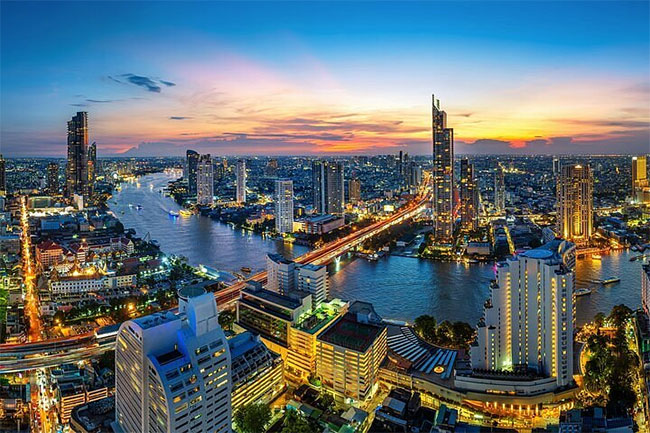
The sixth edition of the Finance in Common Summit (FiCS) will be held at the United Nations Convention Center in Bangkok, Thailand, from 31 March to 2 April 2027.
The summit will bring together more than 500 public development banks and their stakeholders. It will be co-hosted by the Asian Development Bank (ADB), with support from Agence Française de Développement (AFD) and other regional and global partners.
The summit will be held under the theme “Delivering Sustainable Growth for a More Resilient Future.”
As the first Finance in Common Summit to be held in Asia, the event will convene leaders from public development banks that collectively manage around $23 trillion in assets. These institutions have significant capacity to mobilise targeted investment and support tangible development outcomes.
The Bangkok summit will focus on strengthening project development, promoting innovative financial transactions, and creating concrete networking and investment opportunities.
Samsung Sri Lanka Introduces 2026 Mini LED TV Range with Vision AI-Powered Entertainment