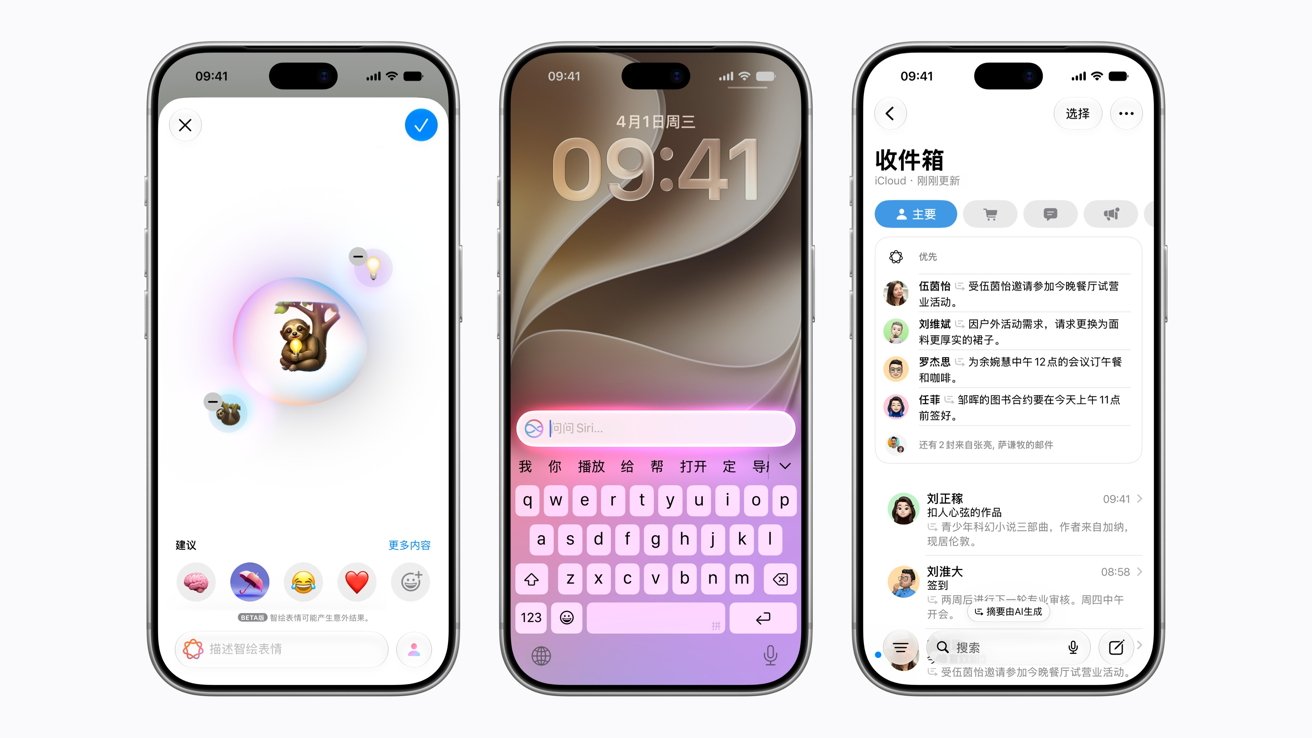





Apple Intelligence is finally preparing to reach iPhone users in mainland China, with an open beta of its initial features scheduled to begin on November 4, 2026. The rollout marks a significant step for Apple’s artificial intelligence platform, which debuted in 2024 but has remained unavailable in the Chinese market.
Apple confirmed on October 31 that the first set of Apple Intelligence features would become available in China through an open beta, with a broader rollout planned alongside the iOS 27.3 update in December.
The initial release will introduce several AI-powered tools designed to improve everyday iPhone experiences. In Photos, users will be able to use Clean Up to remove unwanted objects from images, create memory videos and search their photo libraries using natural language.
Visual Intelligence features will also be included, allowing users to interact with information through their iPhone cameras. The update will additionally introduce AI-powered emoji generation, giving users more ways to personalise their messages.
Writing Tools will offer features to proofread, rewrite and summarise text, while notification and email summaries will help users manage information more efficiently. Smart Reply will suggest responses to messages, and the Notes app will gain audio transcription capabilities. Phone calls will also support transcription and summarisation features.
However, the initial rollout will not include the AI-powered version of Siri available in other markets. Apple is expected to introduce these capabilities separately as the platform develops.
Bringing Apple Intelligence to China has presented challenges because of the country’s regulatory requirements for artificial intelligence services. Apple has had to work with local partners and develop an approach that complies with Chinese regulations.
In its announcement, Apple said the service would use generative models developed by the company. It is also working with Alibaba to introduce support for Qianwen within Siri, reflecting the importance of local partnerships in expanding its AI services in China.
The developer beta is scheduled to begin on November 4, followed by the planned launch alongside iOS 27.3 in December. The rollout will give Chinese iPhone users access to a range of Apple Intelligence tools while leaving some of the platform’s more advanced capabilities for a later release.
Siri’s AI Upgrade Transforms the iPhone Driving Experience
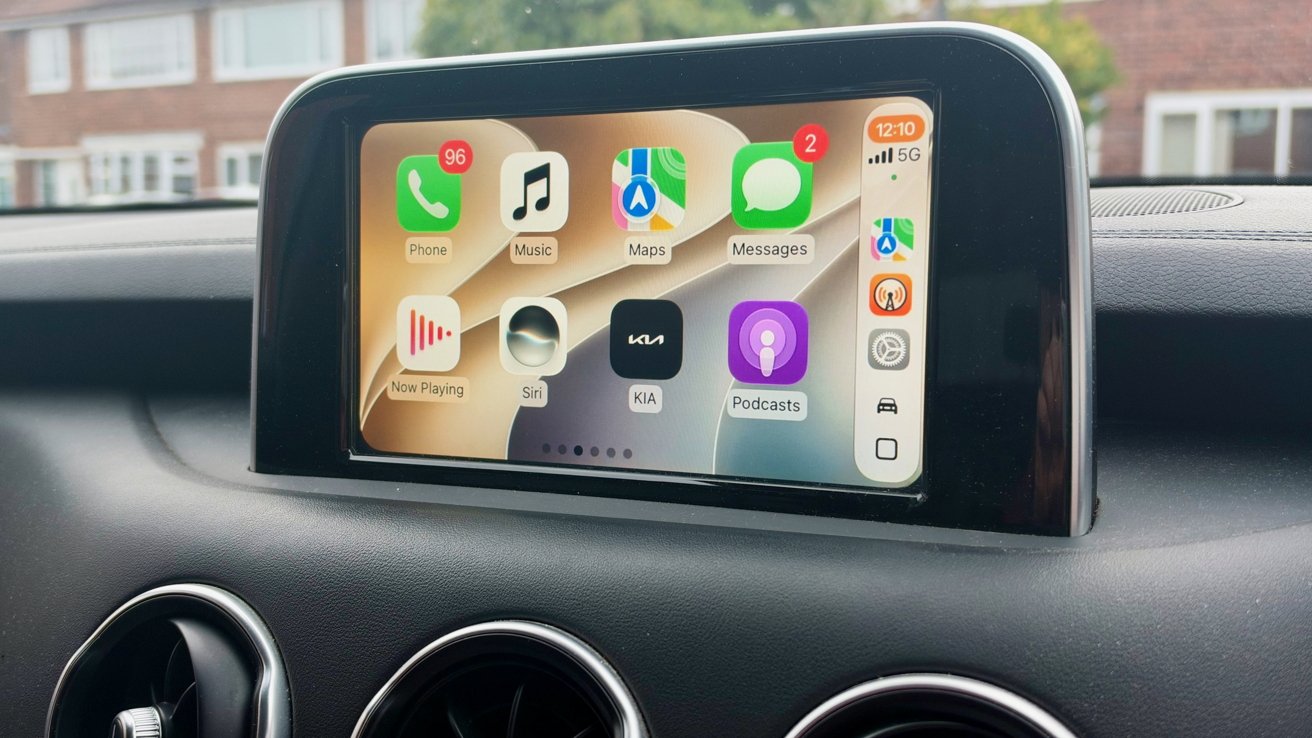
I previously relied on Apple CarPlay mainly for listening to podcasts and getting directions. However, since Siri AI arrived, I have started using my iPhone for a wider range of tasks while driving, creating a surprisingly different experience.
CarPlay has long been a useful feature, but Siri has traditionally been one of its weaker points. I would ask it to read my messages and occasionally attempt to dictate a reply when the feature worked as expected.
Beyond these basic functions, however, Siri often struggled to deliver a reliable experience. That was particularly frustrating when I was behind the wheel and needed things to work without unnecessary distractions.
Things began to change with the introduction of Siri AI in iOS 27. The improvement appears to come from a combination of new capabilities and existing features that now perform more reliably. Together, these changes have made a noticeable difference to how I use my iPhone while driving.
That does not mean Siri AI has become the best AI assistant available. It can still be frustrating at times, even though it can also be remarkably useful. Nevertheless, I have discovered several ways in which the upgraded assistant can improve the driving experience.
Of course, individual experiences with Siri AI can vary considerably. Features that work smoothly for one person may not perform as well for someone else, so it would not be surprising if other users have different experiences.
My experience is also based on using an iPhone 18 Pro Max in relatively large cities with reasonably strong 5G connectivity. Network conditions, location and device performance may all influence how well these features work.
Apple Intelligence Set to Launch in China Nearly Two Years After Its Debut