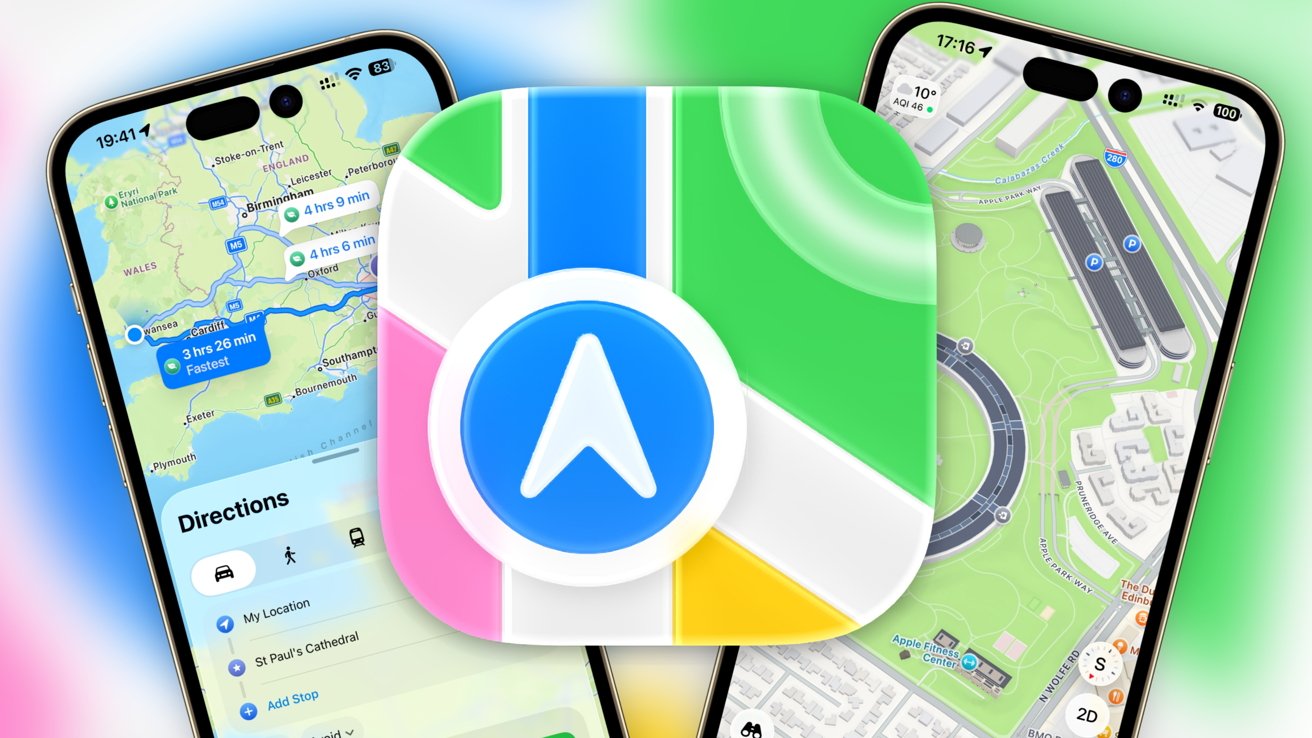





Apple Maps has come a long way since its troubled launch and has evolved into one of the most widely used apps on the iPhone. With the release of iOS 26, Apple’s navigation platform offers a broader range of features designed to help users get around, discover places and plan future journeys.
Navigation apps have become an essential part of the modern smartphone experience, making it easier for users to travel from one destination to another. Apple Maps, which is built directly into iOS, provides the core navigation features users expect, allowing them to explore their surroundings, search for destinations and receive turn-by-turn directions.
However, Apple Maps offers much more than basic navigation. Depending on the destination and available services, users can access information for public transport, arrange rides and explore guides for places they may want to visit in the future.
The iOS 26 update introduces several new features, including Recent Places, preferred routes and predicted destinations, further expanding the app’s ability to personalise the navigation experience.
Apple Maps: A Brief History
Apple Maps was launched in 2012 after Apple previously relied on Google Maps for navigation on its devices. The move was part of Apple’s effort to establish greater independence in the global mapping space, but the initial launch was met with widespread criticism.
Early versions of Apple Maps were affected by inaccurate location information and problems with 3D mapping and rendering. The issues became serious enough for Apple CEO Tim Cook to publicly apologise and recommend alternative mapping services while the company worked to improve the platform.
The launch also had significant internal consequences, with Scott Forstall, then Apple’s Senior Vice President of iOS Software, leaving the company following the controversy.
Since those early difficulties, Apple has continued to invest in and improve Maps, transforming it into a much more capable navigation and location platform within the iPhone ecosystem.
Tilta Khronos iPhone 17 Pro Max Photography Kit Review: A Future-Proof Camera System
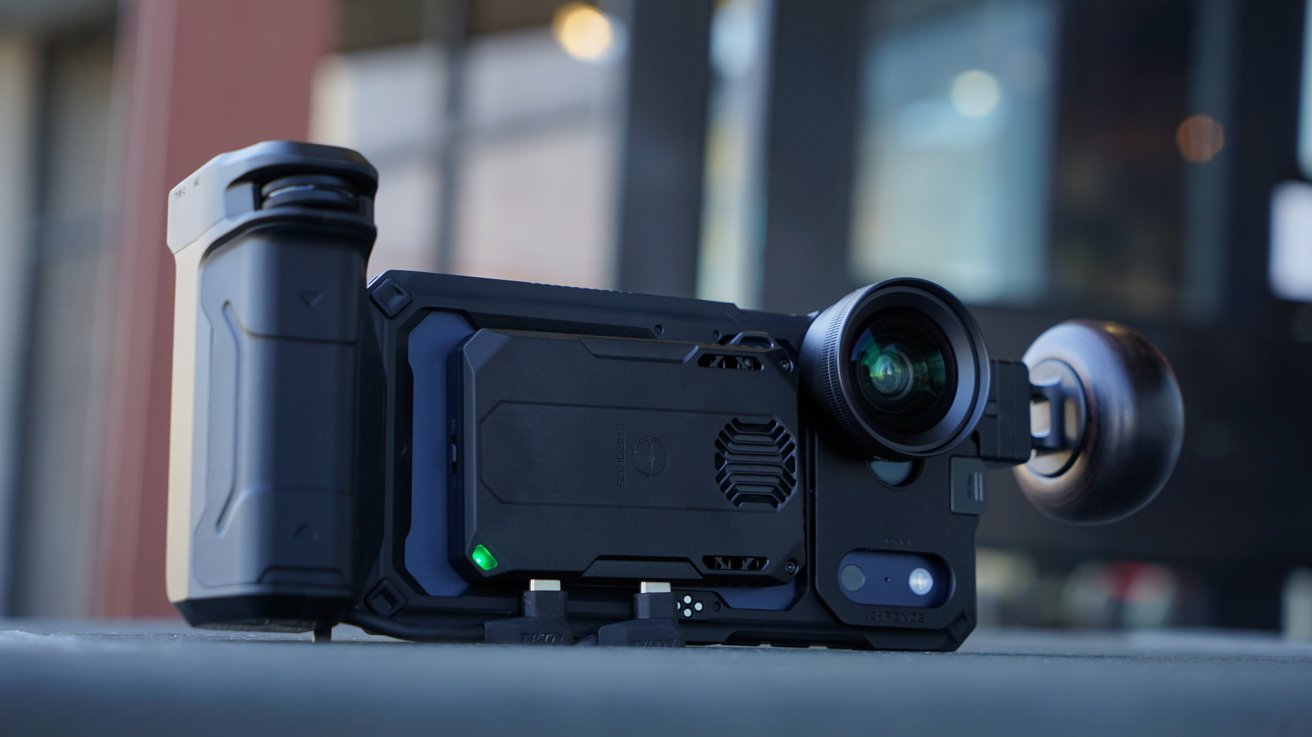
For avid iPhone photographers and videographers, the right accessories can make a significant difference in both image quality and shooting flexibility. Tilta’s Khronos system is designed to take that investment further, offering a modular setup built to remain useful across multiple iPhone generations.
I previously reviewed the Tilta Khronos iPhone camera system with an iPhone 16 Pro Max. While it proved to be an impressive system aimed primarily at professional users, one key concern remained: future-proofing.
To put the main point upfront, Tilta has addressed one of the biggest challenges associated with investing in expensive iPhone camera accessories.
Typically, when iPhone users invest in lenses, mounts or other specialised attachments, there is always a risk that those accessories could become incompatible with the next iPhone generation within a year. The problem is made worse when iPhone-specific cases and accessories are not available at launch, further reducing the amount of time users can actually benefit from their investment.
Tilta’s approach with Khronos is straightforward. Users can purchase the accessories they need and then select the appropriate case for their iPhone. When they upgrade to a newer iPhone, they only need to replace the case, while the rest of the system can continue to be used.
My testing with the iPhone 17 Pro Max shows that this approach works well in practice. Tilta also made the required case available for pre-order almost immediately after Apple introduced its latest iPhone models.
Importantly, upgrading does not require users to learn a completely new way of connecting or using the accessories. While some iPhone accessory manufacturers can introduce compatibility issues between generations, Tilta retains the same connectors, allowing users to swap in the new case while continuing to use their existing Khronos accessories.
So, what has changed with the iPhone 17 Pro Max version of the Tilta Khronos system?
This review focuses specifically on the hardware and the overall system rather than image and video samples. Since the lenses used with the setup are not manufactured by Tilta, I will not be including test photos or video captured with the system.
Apple Maps: How to Get the Most Out of Your iPhone’s Navigation App