


The Sri Lankan Rupee has continued to weaken sharply against major global currencies, with the US Dollar, British Pound, and Euro all strengthening against the local currency. The National Chamber of Exporters (NCE) has cautioned that while some sectors may see short-term gains, sustained depreciation could result in significant long-term economic challenges.
The Rupee has come under persistent downward pressure, falling from around Rs. 315 a month ago to approximately Rs. 333, with spot indicative rates currently hovering between Rs. 321 and Rs. 325. Compared to the end of the previous year, the currency has depreciated by around 3.6% to 4.5% against the US Dollar. Commercial bank rates, including those of major institutions such as People’s Bank, Commercial Bank of Ceylon, Sampath Bank, and NDB Bank, have also adjusted upward in line with market trends.
According to Central Bank guidance, the depreciation is largely driven by increased import expenditure—particularly on petroleum—and a moderation in tourism inflows. The National Chamber of Exporters notes that in an import-dependent economy, this trend is contributing to cost-push inflation, affecting essential goods and services, including fuel, electricity, and water tariffs.
Inflationary pressure has already become evident, with Colombo Consumer Price Index-based inflation rising to 5.4% in April 2026, up from 2.2% in March. Fuel import expenditure also surged significantly, reflecting both higher global prices and increased volumes.
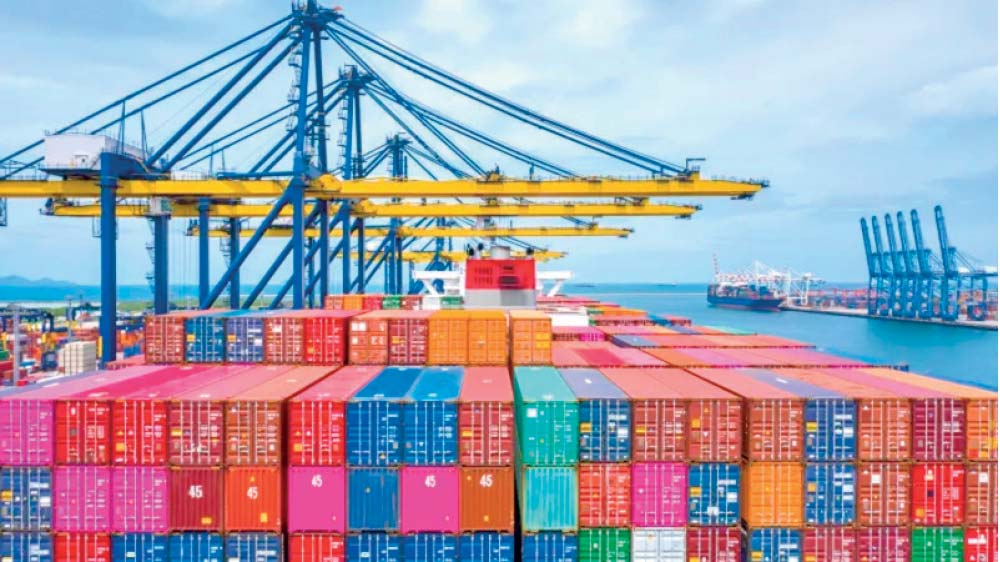
While exporters, tourism operators, and remittance earners may benefit in the short term from higher rupee conversions, the NCE stresses that these advantages are outweighed by rising input costs and broader macroeconomic pressures. Sri Lanka’s export sector recorded strong performance in 2025 and early 2026, with merchandise exports showing steady growth across key categories such as apparel, tea, and rubber products. However, the sector remains heavily dependent on imported raw materials, limiting the net benefit of currency depreciation.
Intermediate goods imports remain a major cost driver, with fuel accounting for a significant share alongside textiles, chemicals, plastics, and machinery inputs. Rising import costs, combined with tariffs and taxes, are placing additional pressure on manufacturing and export-oriented industries.
The NCE further highlights that currency volatility continues to affect production planning, investment decisions, and long-term competitiveness. It notes that while depreciation may improve export pricing in theory, the reliance on imported inputs, energy, and logistics significantly erodes this advantage in practice.
Industry stakeholders, including those in the industrial mineral sector, describe the situation as a “double-edged sword,” where higher rupee revenues are offset by increased costs for machinery, energy, and imported consumables.
The Chamber has therefore reiterated that stabilising production costs—particularly through energy cost rationalisation—remains a key priority to support industrial resilience amid ongoing currency fluctuations.
Sri Lanka is emerging as one of the most attractive countries for families to relocate to in 2026
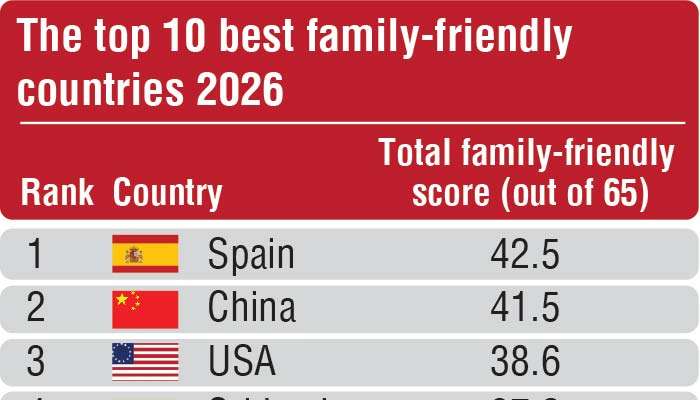
A study conducted by digital financial services provider Remitly, in its second consecutive year, evaluated 82 popular migration destinations based on 34 key factors relevant to relocating, including healthcare quality, cost of living, employment opportunities, and family suitability. In the 2026 ranking, Sri Lanka placed fourth among the best countries for families to move to, following only Spain, China, and the United States.
The 2026 edition includes additional indicators and expanded metrics compared to the previous year, meaning direct comparisons with the 2025 report should be interpreted with caution, as they are not strictly equivalent.
Sri Lanka’s strong position as a family-friendly destination is primarily attributed to its affordable childcare costs and well-regarded education system. The country also ranked fifth globally for public transport quality, which is a significant advantage for families considering relocation.
Remitly highlighted that for families planning to move abroad, practical considerations are just as important as lifestyle aspirations. The index focuses on everyday factors such as education quality, childcare affordability, parental leave policies, and access to international schooling. The updated methodology has also allowed several countries to improve their rankings compared to previous years.
Spain secured the top position due to its affordable childcare system, generous parental leave policies, and strong public education infrastructure supported by extensive international schooling options. China followed in second place, supported by its large education network and expanding international school availability in major cities, along with improving parental leave policies.
The United States ranked third, driven by its wide range of educational pathways and strong international schooling options, despite relatively higher childcare costs in certain regions. Sri Lanka, which topped the list in the previous year, continues to perform strongly due to its low childcare expenses, while the United Arab Emirates remains a popular choice among expatriate families because of its high-quality international schools and attractive parental benefits.
NCE Warns Continued Rupee Depreciation Could Have Long-Term Negative Impact