HNB FINANCE PLC has strengthened its islandwide branch network with the opening of its 77th branch in Dehiwala, further expanding access to a wide range of financial services for customers in the area and surrounding communities.
Located on Galle Road, Dehiwala, the new branch was officially opened under the patronage of HNB FINANCE PLC Managing Director/CEO Chaminda Prabhath and Deputy CEO Maduranga Heenkenda. The opening ceremony was attended by members of the company’s senior management and several invited guests.
Through the new Dehiwala branch, customers will be able to access a comprehensive portfolio of HNB FINANCE financial products and services, including gold loans, leasing facilities, fixed deposits and savings solutions.
The branch will also offer HNB FINANCE’s specialised gold loan products, including the Gold Plan and VIP Gold Loan facilities. Designed to address different customer needs, these solutions provide convenient access to finance along with flexible repayment options.
Commenting on the expansion, HNB FINANCE PLC Managing Director/CEO Chaminda Prabhath said the company remains focused on strengthening its presence as a preferred non-bank financial services provider while making its financial solutions more accessible to customers.
“Our strategic objective is to further strengthen HNB FINANCE’s position as a preferred non-bank financial services provider offering a comprehensive range of financial solutions. The opening of our Dehiwala branch will enable us to bring our latest financial solutions closer to customers in Dehiwala and surrounding areas while enhancing their overall service experience,” he said.
Bairaha Farms Earns Praise at Profood Propack & Agbiz 2026 Trade Expo
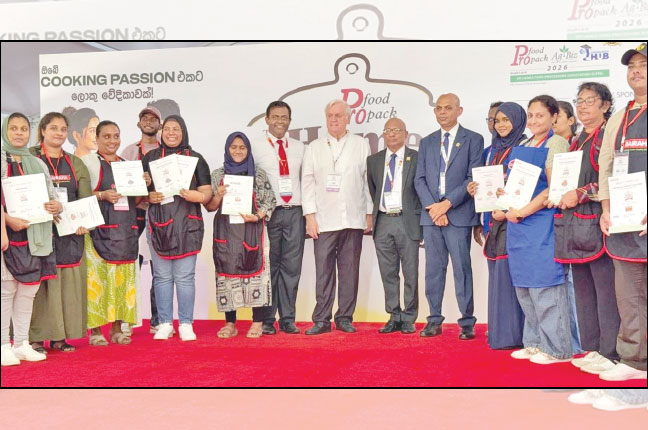
Bairaha Farms PLC, one of Sri Lanka’s pioneering and leading chicken processors, received widespread praise for its creative participation at the Pro-Food Pro-Pack & Agbiz 2026 Trade Expo.
Organised by the Sri Lanka Food Processors’ Association (SLFPA), the three-day trade exhibition was held from August 21 to 23 at the Bandaranaike Memorial International Conference Hall (BMICH) in Colombo, bringing together businesses and industry professionals from across the food and agriculture sectors.
At the event, Bairaha Farms showcased innovative approaches to preparing a variety of appetising chicken dishes, engaging culinary enthusiasts and visitors through interactive cooking activities.
As part of its contribution to the expo, Bairaha Farms supported the Home Cooking Challenge organised by the SLFPA. The competition provided a platform for home cooks to showcase their culinary talent, creativity and passion in a professional event environment.
The initiative was designed to encourage aspiring home chefs, promote culinary creativity and give participants an opportunity to gain recognition while competing for a range of prizes.
A total of 12 selected home cooks took part in the competition, preparing creative dishes using Bairaha products. The participants demonstrated their culinary skills and creativity before an audience at the expo.
The dishes were evaluated by a panel comprising renowned chefs and culinary consultants. Following the competition, participants were recognised with gifts and prizes in appreciation of their efforts and culinary talents.
HNB FINANCE Expands Its Footprint with New Branch in Dehiwala