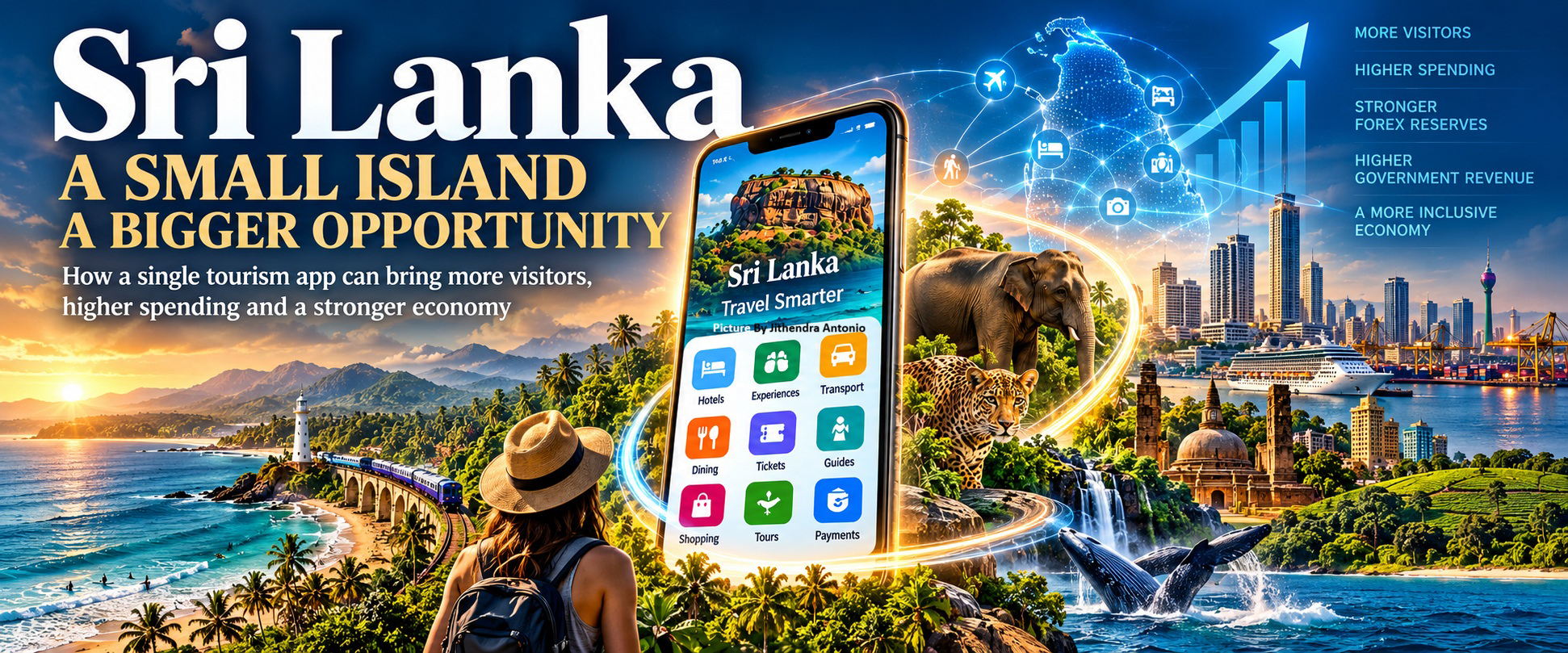





The next great opportunity in Sri Lankan tourism may not lie in building another hotel, expanding another airport terminal or launching another advertising campaign. It may lie in creating a government-backed digital platform that connects tourists, banks, mobile networks, national parks, heritage sites, government rest houses, restaurants and local entrepreneurs—transforming a fragmented visitor economy into a connected commercial ecosystem.
Sri Lanka has become remarkably proficient at counting tourists. It tracks monthly arrivals, identifies leading source markets, monitors seasonal travel patterns and measures the impact of external shocks on visitor numbers. Over the years, the country has worked to rebuild its tourism industry following the end of the civil war on 18 May 2009, recover from the Easter Sunday attacks, navigate the COVID-19 pandemic and overcome the economic crisis that exposed the country's dependence on foreign exchange.
The figures reflect a remarkable recovery. Sri Lanka welcomed 447,890 tourists in 2009, before arrivals climbed to 2,333,796 in 2018. The pandemic brought that number down to just 194,495 in 2021. A gradual recovery followed, with the country recording 2,362,521 tourist arrivals in 2025 and generating approximately US$3.2 billion in tourism revenue.
Yet the next phase of tourism development requires a different question.
President Assures Investors of Sri Lanka’s Secure and Business-Friendly Investment Climate
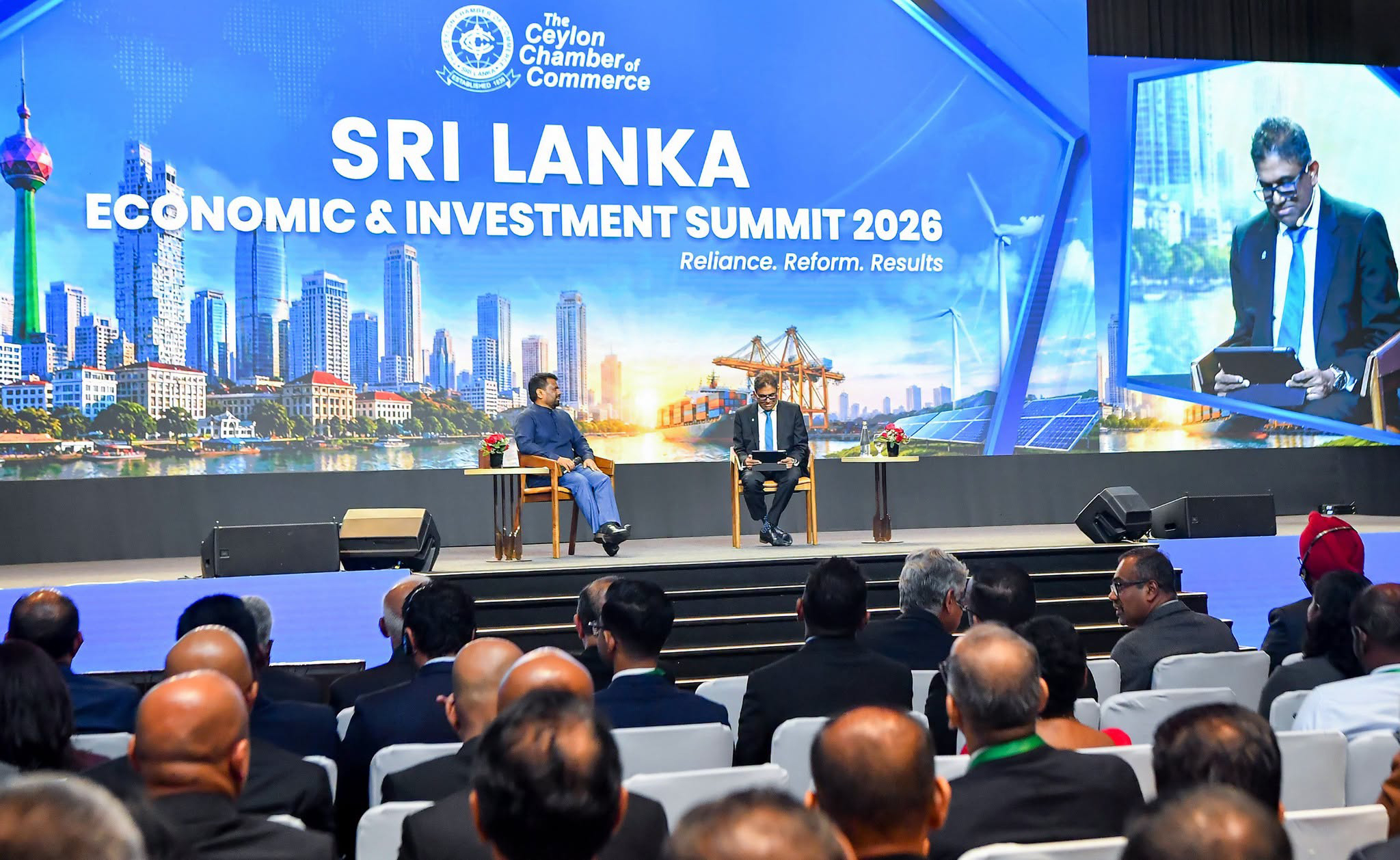
President Anura Kumara Dissanayake has called on local and international investors to invest in Sri Lanka with confidence, reaffirming the Government’s commitment to transparent governance, effective legal and regulatory frameworks, and essential infrastructure development to create a conducive investment climate.
The President made these remarks while attending the Sri Lanka Economic and Investment Summit 2026 at the Shangri-La Hotel in Colombo on the afternoon of October 12. The summit has attracted national and international attention to Sri Lanka’s ongoing economic reforms and emerging investment opportunities.
Organised by the Ceylon Chamber of Commerce under the theme “Positioning Sri Lanka in a Changing Global Economy: Resilience, Reform and the Future of Economic Policy”, the summit brings together public- and private-sector representatives, policymakers, business leaders and international investors. The event concludes on October 13.
The summit focuses on identifying opportunities to attract foreign direct investment, strengthen export performance and promote sustainable economic growth. It also aims to showcase Sri Lanka’s investment potential to international markets and foster stronger public-private sector collaboration in support of the country’s long-term economic development.
During the summit, President Dissanayake addressed questions on economic reforms, rural poverty and the need to expand economic opportunities for vulnerable communities.
Addressing Rural Poverty Through Economic Opportunities
Responding to a question on integrating rural communities and the nearly five million people receiving Aswesuma welfare benefits into the mainstream economy, the President identified rural poverty eradication as a major national challenge.
He referred to a recent World Bank report indicating that rural poverty stands at 16.9%, emphasising that addressing the issue requires a sustained, long-term strategy rather than short-term interventions.
The President noted that every country has vulnerable groups requiring government assistance through social safety nets, adding that not everyone would be able to participate fully in the mainstream economy. However, he acknowledged that the scale of Sri Lanka’s vulnerable population presents a significant challenge.
According to the President, one of the key factors contributing to rural poverty is the lack of new economic opportunities for rural communities. Existing livelihoods are largely concentrated in agriculture, marine and inland fisheries, and small-scale businesses serving local markets.
Could a Tourism-Focused Banking Super App Double Sri Lanka’s Tourism Earnings?