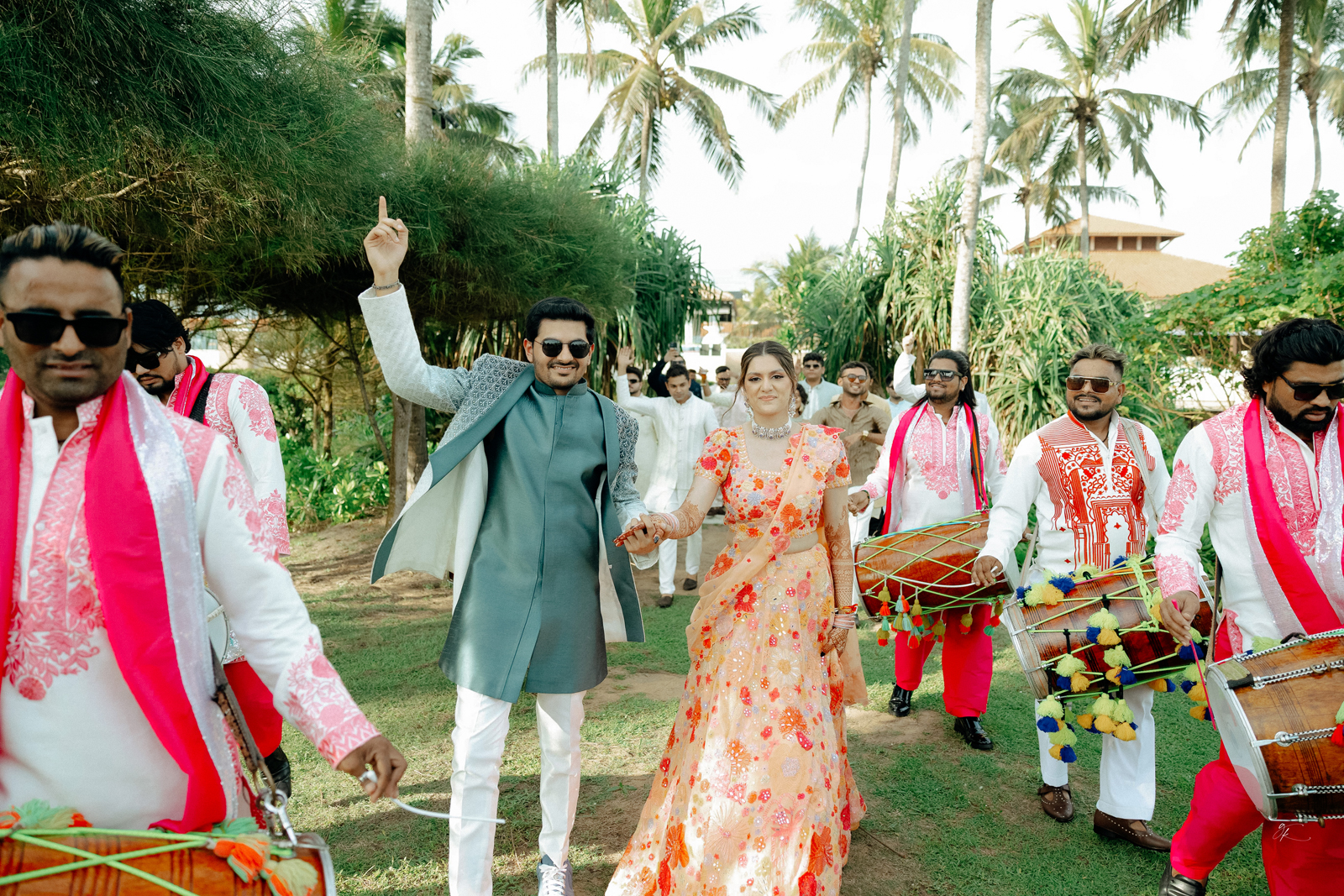
The Indian wedding market is entering a new phase, with couples increasingly prioritising meaningful experiences, personalised celebrations and premium hospitality over the scale of traditional weddings.
Destination weddings are becoming more popular even as guest numbers decline. According to WedMeGood’s Annual Destination Wedding Insights 2026, destination weddings now account for one in four Indian weddings, compared with 18% in 2022. At the same time, the average budget for a destination wedding has risen to INR 58 lakh, up from INR 51.1 lakh a year earlier.
The shift is particularly evident in guest numbers. While hometown weddings attract an average of around 420 guests, destination celebrations typically bring together approximately 280 people. This suggests that couples are increasingly choosing smaller gatherings that allow them to devote greater resources to the overall guest experience.
Luxury Weddings Focus on Hospitality and Experiences
The changing preferences are also reflected in how couples allocate their wedding budgets. Among luxury destination weddings with budgets exceeding INR 3 crore, 53% of total spending goes towards venues, accommodation and food, making hospitality the largest component of the overall celebration.
Rather than focusing primarily on the size of the event, couples are increasingly looking for multi-day experiences that combine weddings with family time, travel, entertainment and memorable activities.
Accessibility is also playing an increasingly important role in destination selection. According to the report, 44% of Indian couples prefer destinations that can be reached within two to four hours. Venue quality, overall cost, visa convenience and travel time are among the key considerations influencing destination choices.
Sri Lanka Emerging as a Luxury Wedding Destination
This changing landscape is creating new opportunities for Sri Lanka, which is strengthening its appeal among Indian couples seeking premium destination wedding experiences.
Visa-free entry for Indian travellers, direct air connectivity from major Indian cities and a growing luxury hospitality sector are among the factors supporting the island’s appeal. Sri Lanka welcomed more than 530,000 Indian visitors in 2025, representing 27% year-on-year growth.
The country is also identified in the report as one of Asia’s fastest-growing premium destination wedding markets, supported by its geographical proximity, value proposition and diverse range of experiences.
For couples and their families, Sri Lanka offers the opportunity to combine the wedding celebration with a broader destination experience, bringing together luxury accommodation, hospitality, travel and leisure activities in one setting.
From Weddings to Complete Experiences
Tarek Medhat, Director of Sales & Marketing, Shangri-La Sri Lanka, said the expectations surrounding Indian weddings have evolved beyond the traditional single-day celebration.
“The modern Indian wedding has evolved beyond a single-day celebration,” he said. “Couples today are creating journeys rather than events. They are looking for destinations where families can celebrate, reconnect and experience something meaningful together. The wedding is still the centrepiece, but increasingly it is the experiences surrounding it that define the celebration.”
The trend points towards a broader evolution in luxury destination weddings, where exclusivity is increasingly defined not by the number of guests, but by the quality of the experience created for them.
Creative Sri Lanka 2030 Aims to Turn Heritage, Design and Entrepreneurship into a New Export Growth Engine
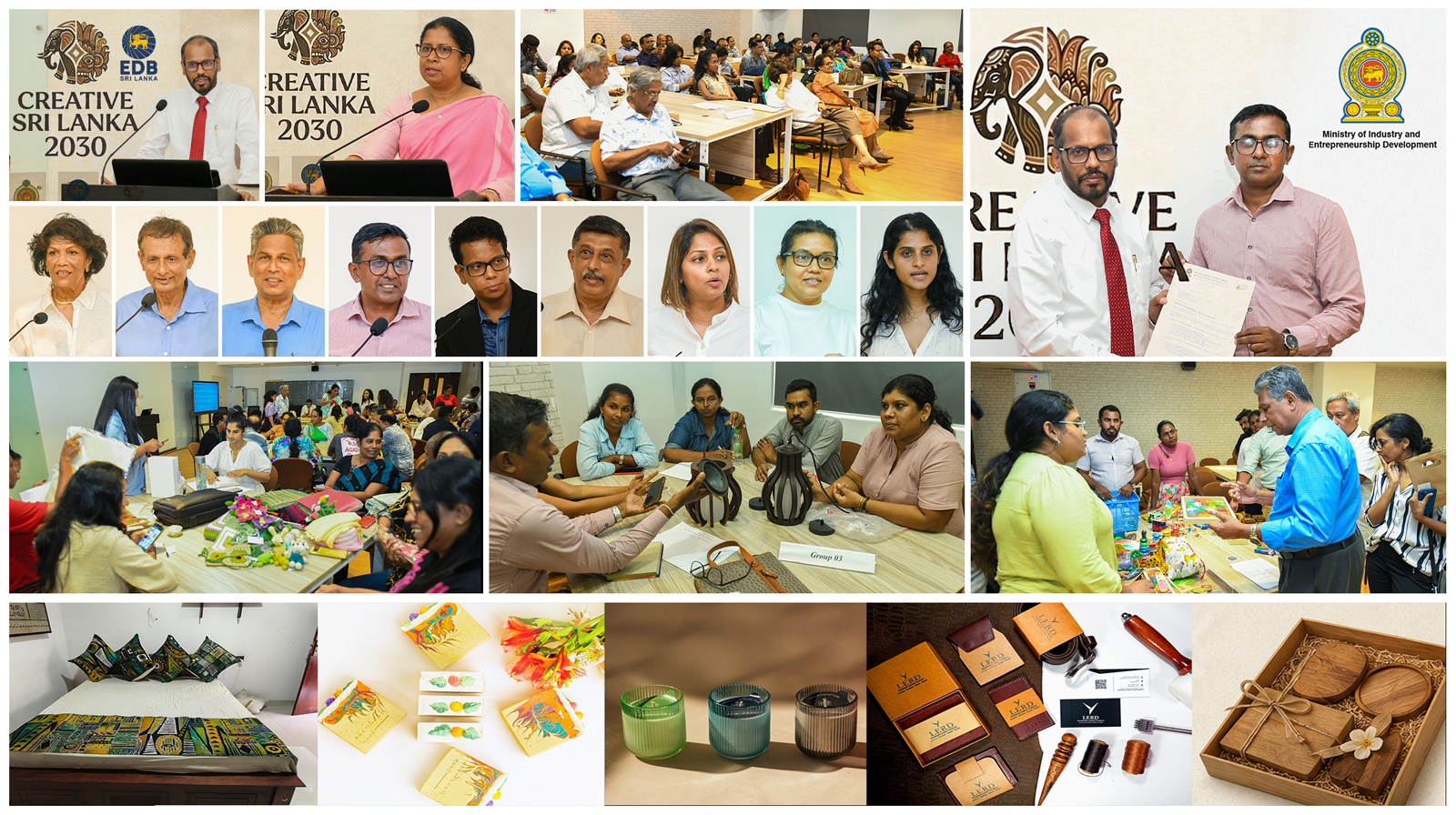
Sri Lanka is looking to transform its rich craft heritage into a new source of export growth through Creative Sri Lanka 2030, a national programme led by the Sri Lanka Export Development Board (EDB) to develop globally competitive brands across the country’s creative industries.
For generations, Sri Lankan artisans have worked with clay, wood, fibre, metal, textiles and other indigenous materials to create products deeply connected to the island’s culture and identity. However, much of this creative potential has remained fragmented, operating at small scale and with limited access to major international markets.
Creative Sri Lanka 2030 aims to address these challenges by transforming traditional craftsmanship into contemporary, commercially viable products capable of competing in global markets. The programme builds on the foundations of an earlier pilot phase and is now expanding through a private-sector-led “Umbrella Model” that brings established exporters together with specialised SMEs, artisans, designers and other industry stakeholders.
The programme’s focus extends beyond increasing craft exports, with the broader objective of developing Sri Lankan brands recognised internationally for their design, authenticity, sustainability and quality.
The initiative comes as Sri Lanka seeks to broaden and strengthen its export base. The country’s National Export Development Plan 2026–2030 has set a target of US$36 billion in total exports by 2030, placing emphasis on export diversification, value addition and deeper integration into global value chains.
Building a New Creative Export Sector
Creative Sri Lanka 2030 seeks to position the country’s creative and craft industries as an integral part of this wider export transformation.
The EDB recently launched the national initiative at its premises, bringing together stakeholders representing Sri Lanka’s giftware, handicraft and lifestyle product sectors. The programme will be implemented over the next three years through 10 newly selected leading “Umbrella Brands.”
The model is designed to create stronger connections across the value chain, enabling established exporters to work alongside smaller businesses, artisans and designers while developing products that meet international market expectations.
From Traditional Craft to International Markets
The programme builds on results achieved during its initial phase, which was implemented with the support of the European Union and the British Council, with consultancy provided by University Arts London and The Institute for Future Creations.
During the pilot phase, five Sri Lankan brands were connected with international designers to develop and refine their products for overseas markets. The collaboration subsequently contributed to securing export orders from markets including Germany, Denmark and the United Kingdom.
With the expansion of Creative Sri Lanka 2030, the EDB aims to build on these results and create a stronger platform for Sri Lankan creative businesses to move from traditional craftsmanship towards internationally competitive products and brands.
The initiative represents a broader shift from viewing handicrafts solely as cultural products towards recognising creativity, design and heritage as commercially valuable assets that can contribute to Sri Lanka’s export diversification and long-term economic growth.
Experience-Led Indian Destination Weddings Put Sri Lanka on the Map as an Emerging Luxury Venue