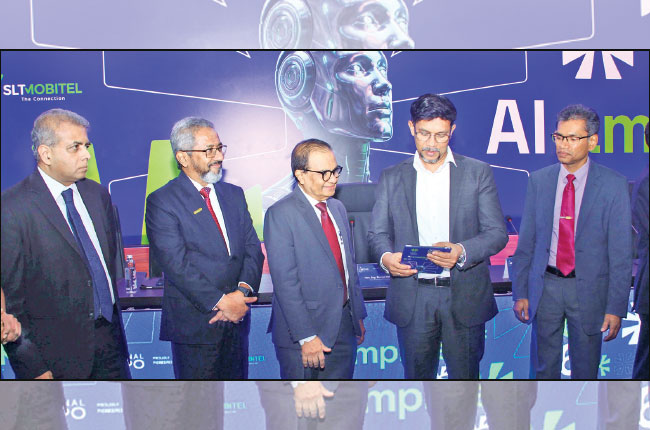





Sri Lanka must move beyond simply consuming artificial intelligence (AI) technologies and develop the capacity to become a selective producer of globally competitive AI solutions, Deputy Minister of Digital Economy Eranga Weeraratne said.
Speaking at the launch of Sri Lanka AI Week 2026, Weeraratne said the country has entered an “IQ era” in which AI is rapidly transforming governments, economies, industries, education and everyday life. He stressed that Sri Lanka must adopt AI strategically to remain competitive in the evolving global digital economy.
Sri Lanka AI Week 2026, spearheaded by the Ministry of Digital Economy and the SLT-MOBITEL Group, aims to accelerate AI adoption, innovation and collaboration across the country.
“Throughout history, every technological era has transformed how people work and communicate. Today we are living in the IQ era. AI is changing how governments govern, how economies progress, how industries compete and how people live their daily lives,” he said.
Weeraratne highlighted the need for Sri Lanka to make a strategic choice between remaining a consumer of technologies developed overseas and building its own capabilities to produce AI solutions for global markets.
He noted that although Sri Lanka already has established ICT and telecommunications industries, the country has so far largely relied on AI technologies and services developed elsewhere.
“It is now time to change that,” the Deputy Minister said, stressing the importance of strengthening domestic AI capabilities.
He further explained that achieving this transition would require closer collaboration among policymakers, industry, academia, students and the wider public. Initiatives such as Sri Lanka AI Week can provide a platform for engaging international experts, sharing knowledge and contributing to the development of the country’s AI roadmap.
The Deputy Minister also linked AI development to the Government’s ambition of increasing Sri Lanka’s digital exports. He said the country’s ICT industry must undergo significant transformation if Sri Lanka is to achieve its target of generating US$5 billion in export revenue.
“Unless our own ICT industry embraces AI, strengthens research and development, builds startup capabilities and develops new AI competencies, we will not achieve these targets,” he said.
Sri Lanka’s ability to develop AI talent, strengthen research and innovation, and create globally relevant AI products could therefore play a key role in expanding the country’s digital economy and strengthening its position in international technology markets.
EDB, IFC and EU Launch Third ExpoScaleUp Cohort to Strengthen SME Export Capacity
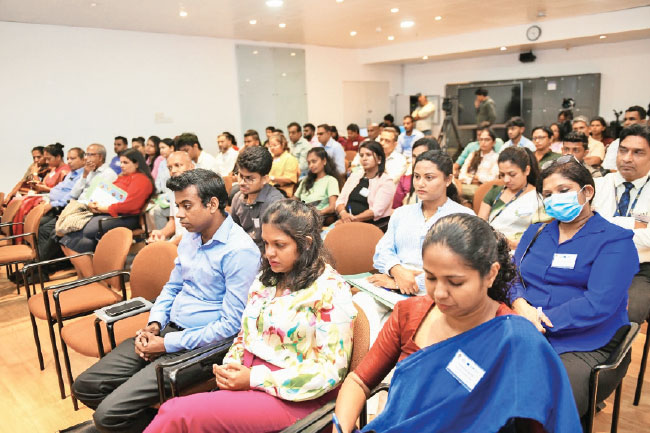
The Sri Lanka Export Development Board (EDB), in collaboration with the International Finance Corporation (IFC) and the European Union (EU), has launched the third cohort of the ExpoScaleUp programme, an initiative designed to strengthen the export competitiveness of Sri Lankan small and medium-sized enterprises (SMEs).
The latest programme is supported through the EU-funded Accelerating Climate Smart and Inclusive Infrastructure in South Asia (ACSIIS) programme and brings together 25 high-potential SMEs from across Sri Lanka.
The four-day intensive training programme focuses on improving participants’ export readiness by helping them develop practical, market-oriented Export Marketing Plans tailored to their business objectives and target markets.
Participants are receiving specialised guidance from an internationally recognised export marketing specialist from the Netherlands, supported by a trained coaching team from the EDB.
Through a combination of expert knowledge, practical planning and targeted coaching, the ExpoScaleUp programme aims to equip participating SMEs with the tools and capabilities needed to identify international market opportunities, strengthen their export strategies and compete more effectively in global markets.
The latest cohort further strengthens the collaboration between EDB, IFC and the EU in supporting Sri Lankan SMEs and expanding their participation in international trade.
Sri Lanka Must Become an AI Producer, Not Just a Consumer – Eranga