




The Sri Lanka Chamber of Garment Exporters (SLCGE) has proposed the establishment of a pioneering Design Hub aimed at enhancing the global competitiveness of Sri Lanka’s small and medium-scale apparel manufacturers.
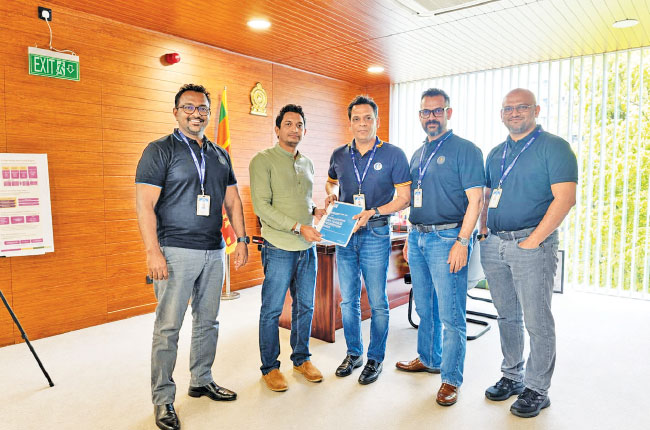
The proposal was formally presented to Deputy Minister of Industry and Entrepreneurship Development Chathuranga Abeysinghe during a meeting held on May 28. The SLCGE delegation was led by President Nishantha Bakmeege and included officials Jeremy Enas, Menuka Gunawardana, and Shehan Olegasageram.
According to SLCGE, the proposed Design Hub would be the first initiative of its kind in Sri Lanka’s apparel sector, designed as a centralised platform to showcase the craftsmanship, innovation, and product portfolios of SME apparel manufacturers through a single national-level facility.
The hub is expected to function as a one-stop destination for international buyers, enabling direct engagement with certified SLCGE member companies. Industry representatives believe the initiative will help remove traditional barriers to market access, facilitate direct business partnerships, and create new export opportunities for local manufacturers.
SLCGE officials noted that the project would enhance the global visibility of Sri Lankan apparel producers while strengthening their competitiveness in international markets. It is also expected to contribute to increased export earnings and support broader national economic development goals.
During discussions, Deputy Minister Abeysinghe welcomed the proposal and acknowledged its potential to support industrial transformation and SME growth. Both parties held constructive discussions on potential collaboration between the Ministry and the Chamber, agreeing on the need for further technical engagement to develop the concept. Stakeholders described the initiative as a potentially landmark development for Sri Lanka’s apparel industry.
Sri Lanka urged to mobilise investments to boost women’s employment
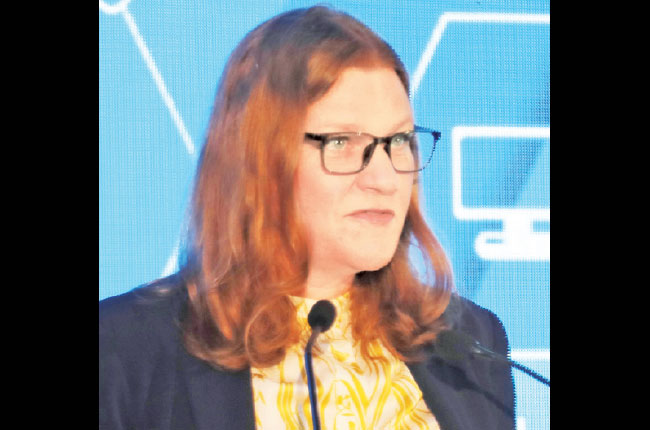
Sri Lanka must sustain economic growth that generates greater employment opportunities for women by mobilising investments in high-potential sectors and stimulating development in historically disadvantaged and lagging regions, said Shannon Cowlin, Country Director for Sri Lanka at the Asian Development Bank (ADB).
She was addressing the Serendipity Knowledge Programme (SKOP) session titled “Unlocking Women’s Economic Potential in Sri Lanka: Barriers and Policy Pathways” held in Colombo.
Cowlin noted that ADB’s Country Partnership Strategy for Sri Lanka (2024–2028) highlights the country’s economic recovery as an opportunity to advance gender equality and social inclusion. This, she said, requires addressing deep-rooted structural barriers while expanding women’s access to education, skills development, training, finance, employment, entrepreneurship, social protection, and infrastructure. She added that ADB’s projects aim to drive more transformative change in response to emerging gender equality challenges.
She pointed out that, although progress has been made in addressing gender disparities, Sri Lanka ranks 130th out of 148 countries in the World Economic Forum’s gender equality index. Women’s labour force participation remains a key challenge, shaped by complex, interconnected structural factors.
Cowlin said a recent ADB study, commissioned by Sri Lanka’s National Planning Department and published last year, further highlights barriers limiting women’s participation in the workforce. These include the concentration of women in informal, low-paid, and insecure employment with limited social protection and mobility opportunities.
She also highlighted social and cultural expectations that place caregiving responsibilities primarily on women, as well as limited access to affordable childcare, which restricts full-time employment opportunities. Other barriers include unequal access to digital skills and technology, particularly in rural areas, workplace safety concerns, harassment risks, and inadequate transport options, all of which negatively impact women’s workforce participation and career progression.
SLCGE proposes first-ever design hub to boost SME apparel exports