



BYD and its authorised Sri Lankan distributor, John Keells CG Auto, have officially launched the BYD Mobile App in Sri Lanka, introducing an advanced connected vehicle ecosystem and marking a significant milestone in the brand’s digital transformation journey.
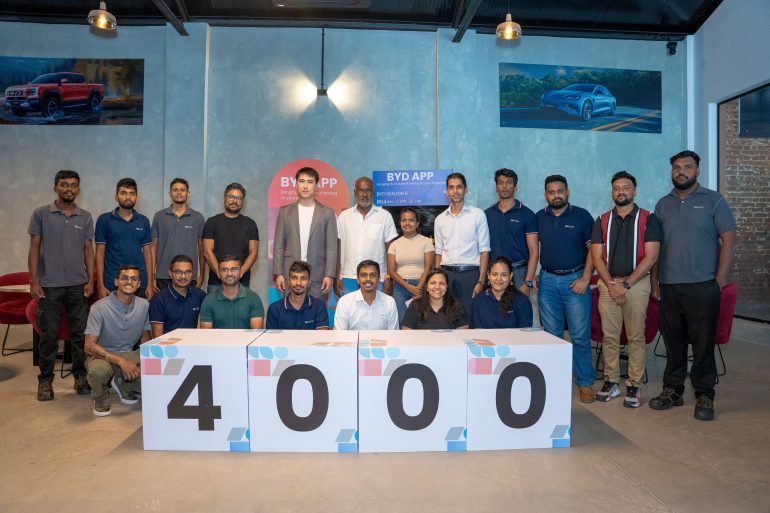
Since going live on August 7, the app has recorded more than 4,000 installations, representing one of the strongest early adoption rates seen in Sri Lanka’s automotive industry and reflecting growing demand for connected mobility among the country’s expanding BYD customer community.
The launch marks a shift in the driving experience for Sri Lankan motorists, extending vehicle connectivity beyond the road to deliver a more intelligent and integrated ownership experience. The app also provides BYD customers in Sri Lanka with a seamless New Energy Vehicle (NEV) mobility experience aligned with global standards.
According to John Keells CG Auto Chief Executive Officer Charith Panditharatne, the BYD Mobile App sets a new benchmark for connected vehicles in Sri Lanka by combining intelligent connectivity, remote vehicle control and real-time vehicle management.
“Since launching, the strong adoption by our customers shows just how enthusiastically Sri Lankan drivers have embraced this smarter, more connected way to own and experience their vehicles. What matters most to us is the peace of mind and seamless experience we can offer our customers. We see this as just the beginning of a much larger digital transformation for our automotive business in Sri Lanka,” Panditharatne said.
Customer onboarding initially began at the BYD Delivery Hub in Colombo, where the app was introduced alongside vehicle deliveries. The service has since expanded to BYD service centres in Kandy, Galle, Kurunegala and Ampara.
BYD will continue to facilitate app installation for customers both at the point of vehicle delivery and across its service centre network, making the connected vehicle technology increasingly accessible to BYD owners across Sri Lanka.
Coca-Cola Foundation-Backed Hydro-Powered Facility Sets New Benchmark for Circular Economy in Sri Lanka
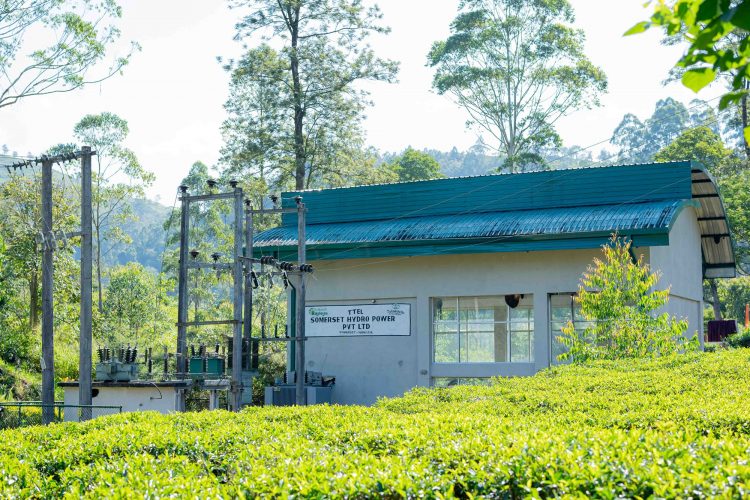
A new approach to plastic waste management is emerging in Sri Lanka’s plantation sector, bringing together renewable energy, recycling, community livelihoods and environmental conservation under a single initiative.
The Somerset Eco Material Collection and Processing Centre (MCPC), established at Somerset Estate in Radella under the Strengthening Women and Youth Engagement in Informal Waste Management in Sri Lanka (SWYFT) Project, is Sri Lanka’s first Material Collection and Processing Centre powered entirely by hydropower.
Funded by The Coca-Cola Foundation and implemented by Janathakshan, with Neptune Recyclers as the recycling partner and Talawakelle Tea Estates PLC as the plantation-sector partner, the facility provides a model for integrating waste recovery with clean energy and inclusive economic development.
The centre draws electricity from a nearby small-scale hydropower plant on the Nanu Oya River, providing renewable energy for its operations as well as charging electric three-wheelers and bicycles used to collect recyclable waste from surrounding communities.
This integration helps reduce the carbon footprint associated with both waste collection and processing, demonstrating how circular economy systems can be designed around environmentally sustainable practices.
Located within the eco-sensitive Nuwara Eliya highlands, the centre’s significance extends beyond recycling. Plastic waste collected from Nuwara Eliya, Nanu Oya, Agrapatana, Talawakelle, Ramboda and Hatton is diverted from the natural environment, helping protect waterways and the upstream watershed.
The women-operated facility has the capacity to process approximately three metric tonnes of plastic bottles each month and supports the livelihoods of more than 10 informal waste collectors.
“The Somerset Eco MCPC demonstrates that sustainability is most powerful when communities and the waste collection ecosystem come together,” said Mario Perera, Country Head, Sri Lanka and Maldives, The Coca-Cola Company.
BYD Automotive App Surpasses 4,000 Installations Within Days of Launch