




Sri Lanka is among 60 countries affected by a new import tax imposed by the United States, following findings by the Office of the United States Trade Representative (USTR) that the country has failed to effectively enforce a ban on imports of goods produced using forced labour.
In its report, the USTR stated that Sri Lanka has not adequately implemented or enforced regulations prohibiting forced labour-linked imports. It added that this failure is considered unreasonable and places a burden on U.S. commerce by restricting fair trade practices.
The report further concluded that Sri Lanka’s actions, policies, and practices related to enforcing a forced labour import ban are unreasonable and negatively impact U.S. trade.
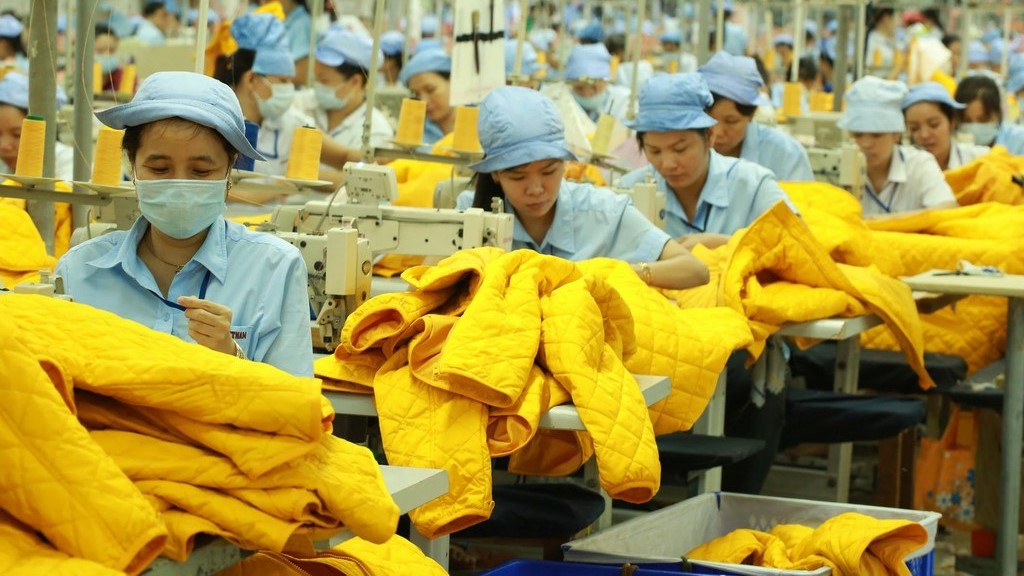
Analysts warn that the new tax could add further pressure on Sri Lankan exporters, particularly in the garment industry, which is the country’s largest export sector and its main source of earnings from the United States. The U.S. currently accounts for around 22% of Sri Lanka’s total exports.
This development follows a recent decision by the United States Supreme Court in February 2026, which invalidated a previous reciprocal tariff system under which Sri Lanka had been paying a reduced 20% tariff instead of the original 44% after negotiations.
The new import tax also comes after the U.S. introduced a 10% ad valorem duty on goods exported to the country for a period of 150 days, with the possibility of adjustments under alternative legal frameworks.
USTR Ambassador Greer said that failure by trading partners to address forced labour in supply chains is unacceptable, arguing that it creates unfair competition for American workers.
He added that while some partners have taken initial steps—such as through the United States–Mexico–Canada Agreement (USMCA) and other reciprocal trade commitments—more action is needed globally to ensure that trade does not encourage or sustain forced labour.
Sri Lanka’s worker remittances rose 32% to US$847 million in May 2026

Sri Lanka’s official worker remittances rose by 32 percent to US$847 million in May 2026, continuing an upward trend seen since 2024, according to Central Bank data.
The increase in inflows from overseas workers comes amid rising tensions in the Middle East—Sri Lanka’s largest foreign employment market—as well as a depreciation of the Sri Lankan rupee, which has fallen to a near four-year low.
For the first five months of 2026, remittances from Sri Lankan workers abroad increased by 26 percent to US$3,909.7 million compared to the same period last year.
The country also recorded a monthly peak of US$879.1 million in December last year, while total annual worker remittances reached a historic high of US$8,076.2 million in 2025.
Officials attribute the sustained growth in remittances to a higher number of Sri Lankans seeking overseas employment as the country continues its recovery from the 2022 economic crisis.
Remittance inflows have also improved following the Central Bank’s move away from a parallel exchange rate system, which previously encouraged many expatriates to use informal channels such as Undiyal and Hawala for money transfers.
In recent years, Sri Lanka has also been focusing on sending more skilled and professional migrant workers abroad to boost foreign exchange earnings after declaring bankruptcy in 2022.
Previously, official remittance inflows fell sharply in 2021 as many expatriates shifted to informal channels due to more favorable exchange rates outside the formal banking system.
This trend was linked to earlier monetary conditions, including money printing and interventions that contributed to distortions in exchange rates between official and informal markets.
Sri Lanka is among 60 countries affected by a new U.S. import tax