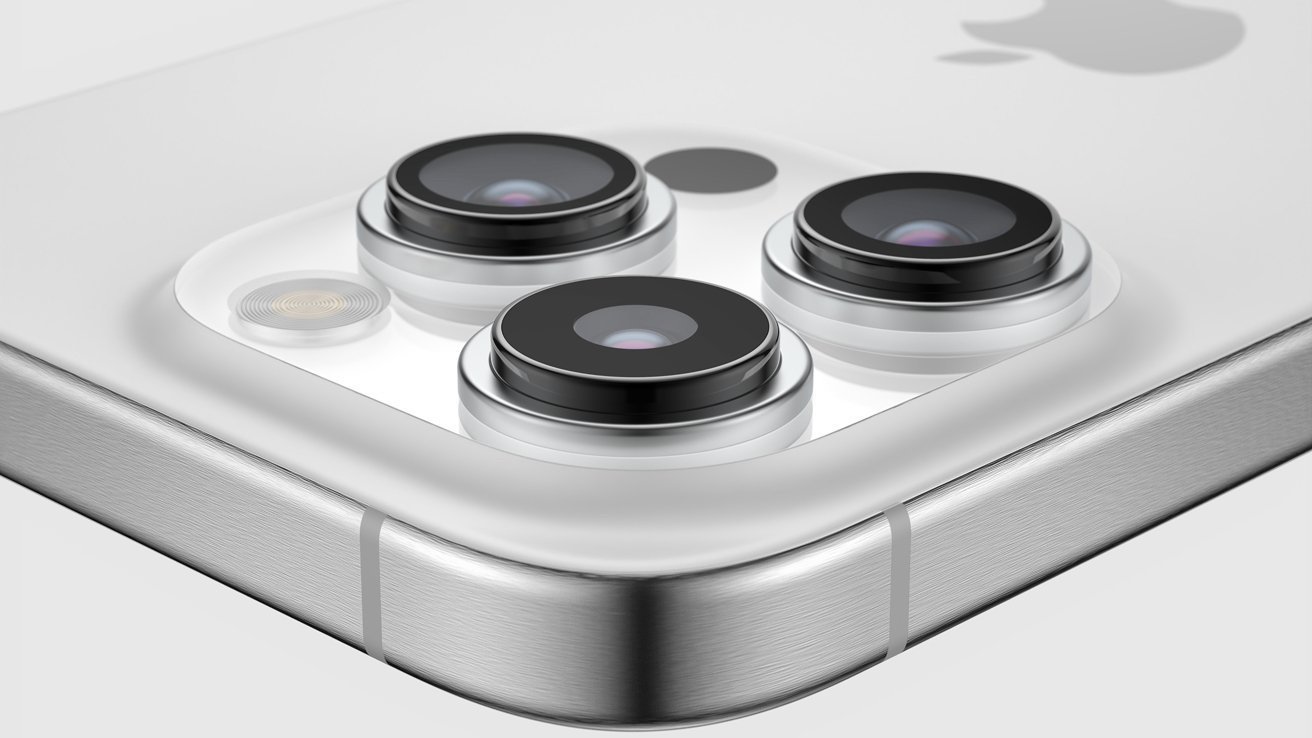
Recent patent research suggests that Apple is exploring advanced underwater photography capabilities for future iPhone models, potentially moving beyond basic water resistance toward true underwater imaging optimisation.
According to details outlined in a newly granted Apple patent titled “Plurality Of Optical Centers In A Unified Free Form, Hemispherical Optic,” the company is investigating ways to improve image quality underwater while reducing the need for bulky third-party accessories.
Currently, underwater filming with iPhones typically relies on external waterproof housings or dome ports, which protect the device but can introduce image distortion and add considerable size and complexity. Apple’s research appears focused on developing a more compact optical solution capable of correcting underwater distortion without requiring large external equipment.
The patent describes challenges associated with underwater photography, particularly how water alters light refraction and affects image clarity. Traditional dome ports can help manage distortion but often remain bulky and cumbersome for everyday users.
Apple’s proposed concept could involve a thinner, more integrated optical system that may eventually work through specially designed iPhone cases or future camera hardware enhancements.
While patents do not guarantee commercial products, the filing indicates Apple’s growing interest in expanding the iPhone’s photography capabilities into more specialised environments, potentially positioning future devices closer to professional-grade underwater imaging solutions.
Wide Camera Angles Reveal Limitations in Apple’s iPhone 17 Pro Soccer Broadcast Test
Apple drew significant attention with its first live soccer broadcast filmed entirely using iPhone 17 Pro devices during the LA Galaxy vs Houston Dynamo FC MLS Match at Dignity Health Sports Park.
The experimental broadcast showcased Apple’s growing ambitions in professional-grade mobile video production, with iPhone 17 Pro units positioned throughout the stadium to capture match coverage, tunnel footage, player introductions, in-goal perspectives, crowd reactions, and low-angle pitch-side shots.
Viewers and social media users widely praised the close-up camera work and immersive angles, particularly the tunnel scenes, player walkouts, and in-goal footage, which delivered a more cinematic and intimate viewing experience compared to traditional broadcast setups.
However, the broadcast also exposed some of the current limitations of smartphone-based sports production. Wide-angle gameplay shots during fast-moving sequences reportedly highlighted challenges in maintaining the same visual consistency, zoom performance, and field coverage typically achieved by dedicated professional broadcast cameras.
The experiment nevertheless demonstrated the increasing capabilities of smartphone camera systems in live production environments, particularly for creative secondary angles and behind-the-scenes storytelling.
The initiative also reflects the broader collaboration between Apple and Major League Soccer as the technology company continues to expand its presence in live sports content and streaming experiences.
Future iPhones Could Introduce True Underwater Photography Features