




The rapid rise of Artificial Intelligence (AI) is transforming the global workplace. As organisations transition towards leaner, AI-enabled operations, global technology giants such as Meta, Amazon and Oracle continue to restructure their workforces and redefine the nature of work.
The implications are substantial. According to the Institute of Policy Studies, more than 22% of Sri Lanka’s workforce — approximately 1.83 million people — is expected to be impacted by generative AI. For fresh graduates entering the job market, this shift may appear challenging. However, within this transformation lies significant opportunity.
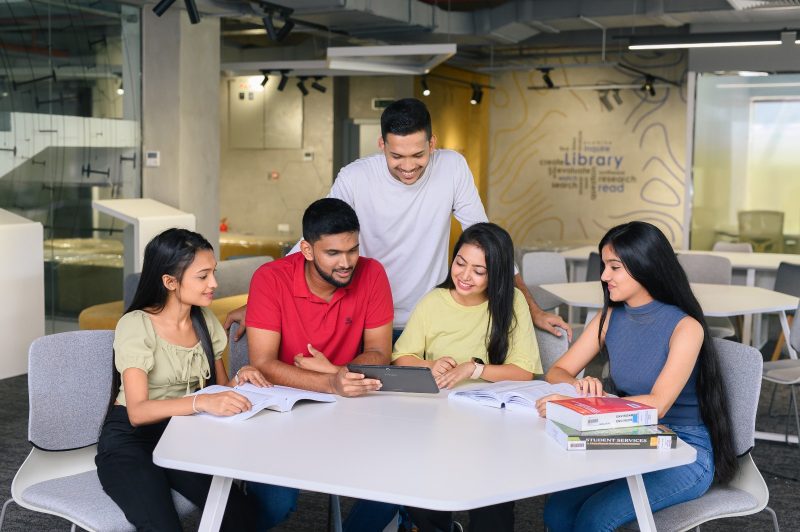
At the Sri Lanka Institute of Information Technology (SLIIT), academics recognised this shift early and adapted curricula and teaching methods to prepare students for an AI-augmented workplace. Professor Nuwan Kodagoda, a specialist in generative AI, explains that this preparation begins from student orientation itself.
While the long-term impact of AI on employment continues to evolve, industry expectations are already clear. “There is an expectation from industry that entry-level recruits already know how to use relevant AI tools,” Professor Kodagoda notes — an expectation that now extends beyond the IT industry into multiple sectors.
To address this demand, SLIIT integrates industry exposure across all faculties. Students participate in structured industry immersion programmes throughout their academic journey. First-year students engage in expert-led workshops, while third- and fourth-year students gain practical experience through internships and industry placements, supported by academic mentorship from faculty members, including Stanford- and Elsevier-listed researchers.
Assessment methods have also evolved to reflect changing workplace realities. In an era where information is easily accessible and synthesised through AI, the focus has shifted from memorisation to application and critical thinking. Certain project-based assessments encourage the responsible use of AI tools, while invigilated examinations permit reference materials to evaluate interpretation, reasoning and decision-making abilities.
At the same time, success in the modern workplace increasingly depends on capabilities AI cannot replicate — the ability to connect, collaborate and communicate effectively. Skills such as teamwork, active listening, communication and conflict resolution are becoming more valuable than ever. Each faculty at SLIIT adopts tailored approaches to strengthen these human-centric competencies.
The SLIIT Business School hosts competitive business proposal challenges, while engineering students undertake multidisciplinary design projects beyond their core curriculum. Meanwhile, the Faculty of Computing incorporates hands-on hardware projects to strengthen practical and collaborative learning.
Within the Faculty of Computing, students are assigned to carefully curated and diverse teams representing different geographic, ethnic and gender backgrounds. “We call it diversity grouping,” says Professor Kodagoda. These groups are refreshed annually to continuously develop students’ interpersonal, adaptability and collaboration skills — qualities essential for thriving in the future workplace.
Hameedia Unveils ‘The Sprezzatura’ Collection at CFW Summer 2026

Hameedia marked its presence at Colombo Fashion Week Summer 2026 with the unveiling of ‘The Sprezzatura’ collection by Fouzul Hameed. Held recently at Cinnamon Life, Colombo Fashion Week provided the ideal platform to showcase the collection, reflecting the evolution of modern Sri Lankan fashion through a blend of craftsmanship, innovation, and individuality.
Presented under FH, the collection offered a refined interpretation of effortless ceremonial dressing. Inspired by the art of nonchalance, ‘The Sprezzatura’ combined luxury with comfort, featuring sustainable natural fabrics including wool, silk, linen, and cotton. A carefully curated colour palette of mint green, turquoise, powder blue, dusty pink, beige, white, rust, and green created a calm yet vibrant aesthetic, while relaxed yet structured silhouettes enabled a seamless transition between formal occasions and contemporary everyday elegance.
Extending the runway experience, Hameedia also hosted an exclusive Spring and Summer Collection Launch at Envoy Mansion for a select gathering of invitees. The event allowed guests to experience the collection up close in an intimate and sophisticated setting.
The evening brought together distinguished guests and industry personalities, offering attendees an opportunity to engage directly with the collection and appreciate the craftsmanship behind each design.
Commenting on the inspiration behind the collection, Fouzul Hameed stated, “At Hameedia, we have always believed that true style lies in authenticity and craftsmanship. With this collection, we wanted to reinterpret ceremonial dressing in a way that feels effortless yet refined, while staying true to our commitment to sustainability. This showcase reflects our journey of evolving with modern lifestyles while preserving the essence of timeless tailoring.”
Preparing Graduates for an AI-Powered Future