Associated Motorways (Pvt) Ltd (AMW), the exclusive authorized distributor of Nissan vehicles in Sri Lanka, has officially unveiled the all-new Nissan GRAVITE, a bold 7-seater modular MPV designed for modern family mobility.
Positioned as a key milestone in Nissan’s renewed product strategy in Sri Lanka, the GRAVITE enters the market at an introductory price starting from LKR 6.99 million, following the strong performance of the Nissan Magnite in the local market. The model is aimed at addressing the evolving transportation needs of Sri Lankan families by combining versatility, practicality, and a strong road presence.
According to Atul Aggarwal, Sri Lanka remains a central market within Nissan’s South Asia operations. He noted that recent expansion efforts in both product availability and service networks reflect the company’s long-term commitment to growth in the country, with the GRAVITE expected to further strengthen its position.
Jawahar Ganesh described the GRAVITE as a vehicle inspired by the needs and lifestyle of Sri Lankan families, highlighting its modular seating system and practical design features as key elements that reflect local mobility expectations.
The Nissan GRAVITE features a distinct exterior design aligned with Nissan’s global styling language, including muscular proportions, high ground clearance, LED lighting, roof rails, and signature C-shaped front and rear design elements for brand identity. Unique styling cues such as hood branding and rear-door badging further differentiate the model within its segment.
Inside, the vehicle offers flexible seating configurations for 2 to 7 passengers, with removable third-row seats enabling up to 625 liters of cargo space in a 5-seater setup. The cabin is designed for comfort and practicality, featuring premium upholstery, extensive storage options, a cooled centre console, and a tropicalised air-conditioning system with three-row ventilation and dedicated second-row controls.
It’s Not Too Late: An Act Can Still Be Created to Protect and Empower Communities
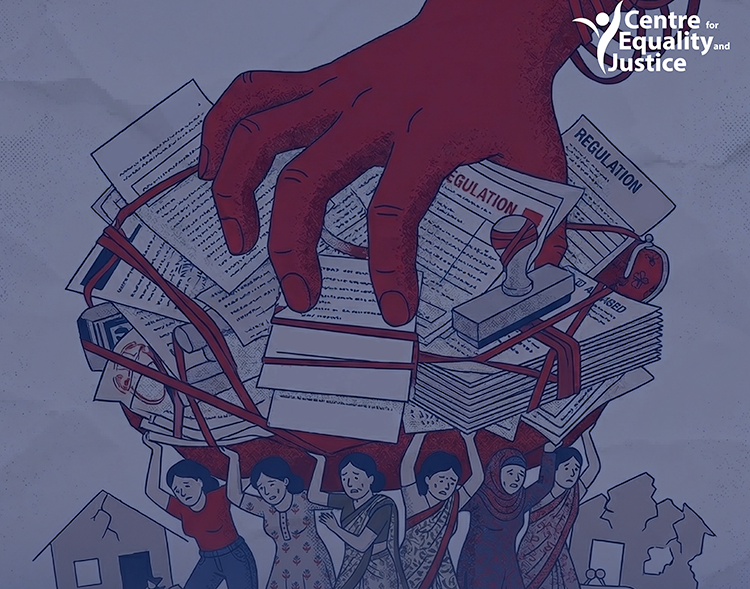
More than half of Sri Lankan households were in debt in 2023, with nearly a quarter borrowing simply to meet basic daily needs, including food, according to data from the Department of Census and Statistics. Analysts warn that the widespread reliance on small and personal loans—often cyclical and, in some cases, predatory—has left many families trapped in long-term debt, slowing community-level economic recovery and contributing to broader national fiscal pressures.
In response, the government introduced the Microfinance and Credit Regulatory Authority Act, No. 9 of 2026, in March, aiming to regulate the sector and curb exploitative lending practices. The Act proposes a licensing and registration framework intended to address issues such as coercive recovery methods, intimidation, and other reported abuses within the microfinance industry.
While the objectives of the legislation have been widely acknowledged as necessary and well-intentioned, concerns have been raised over its implementation and scope. Critics argue that the current framework may unintentionally weaken or disrupt long-standing community-based financial systems that play a vital role in supporting vulnerable households.
Experts, community practitioners, and grassroots organisations have cautioned that insufficient consultation during the drafting process has led to gaps in understanding the realities of local credit systems. This includes the perspectives of women and community groups involved in informal financial support networks.
Over 4,000 women from across the country reportedly signed a petition opposing the expedited passage of the Act, calling for greater consultation with affected communities. Representatives from Self-Help Groups also sought engagement with policymakers to share lived experiences of microfinance borrowing and repayment, but say these opportunities were limited.
Self-Help Groups—community-led, self-governed, non-profit networks—play a key role in fostering women’s financial independence through collective savings and credit programmes. These initiatives often provide flexible, accessible loans with minimal service fees, while also supporting broader social empowerment, decision-making, and resilience at household level.
Concerns remain that without careful revision, the new regulatory framework could unintentionally restrict these community-driven financial models, which many argue are essential to both economic inclusion and grassroots development.
Nissan Redefines Driving in Sri Lanka with a Modular 7-Seater MPV