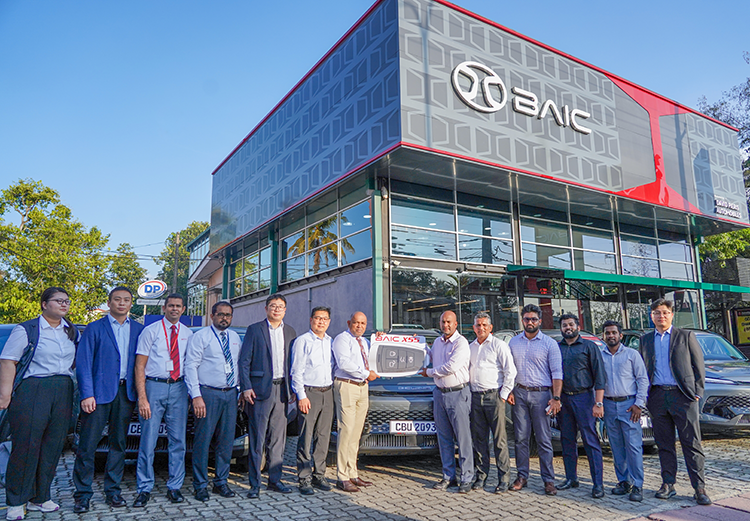





David Pieris Automobiles (Private) Limited has delivered a fleet of eight BAIC X55 vehicles to Chevron Lubricants Lanka PLC, which markets the Caltex brand in Sri Lanka, marking another milestone in corporate mobility solutions.
The fleet delivery further strengthens David Pieris Automobiles’ position in Sri Lanka’s automotive sector, reinforcing its portfolio of internationally recognised vehicle brands while continuing to provide after-sales support, nationwide service coverage, and corporate mobility solutions.
The acquisition was facilitated with financing support from Central Finance Company PLC, highlighting a collaborative financial arrangement that enabled smooth procurement and deployment of the vehicles for corporate use.
The handover ceremony was attended by representatives from David Pieris Automobiles and BAIC principals, reflecting the strong partnership between the local distributor and the global automotive manufacturer. The event also underscored growing corporate confidence in the BAIC X55, a compact SUV positioned for modern business mobility with advanced technology and performance features.
David Pieris Automobiles, a member of the David Pieris Group, continues to expand its role as a key automotive distributor in Sri Lanka, focusing on delivering globally recognised brands and enhancing mobility solutions for enterprise customers across the country.
Why Sri Lanka’s future brands will be built with people, not for them
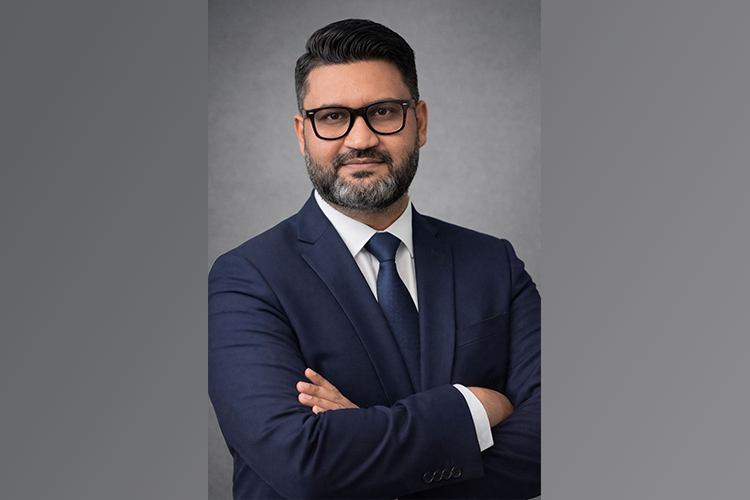
According to Sajid Mahbub, the future of branding in Sri Lanka is moving away from traditional advertising toward a more collaborative, people-centred model powered by artificial intelligence (AI).
Discussions within the Sri Lanka Brand Forum increasingly highlight how brands must adapt to a world where consumer attention is fragmented and trust in conventional advertising continues to decline. With an estimated majority of digital content being overlooked globally, businesses are being pushed to rethink how they build meaningful connections with audiences.
In this emerging landscape, the most successful brands are no longer those with the largest advertising budgets, but those that embrace a shift from one-way communication to co-created experiences. Earlier marketing models were largely broadcast-driven, with brands shaping messages and audiences consuming them passively. Today, however, especially among younger Sri Lankan consumers, there is a growing expectation to participate, influence, and shape brand narratives.
This evolution is increasingly visible through platforms such as the Sri Lanka Brand Forum, where industry leaders are recognising that strong brands are built not only in boardrooms, but through continuous engagement with communities. Co-creation is no longer limited to user-generated content; it now involves actively integrating consumers into the brand-building process itself.
At the same time, AI is reshaping marketing from a supporting tool into an active enabler of strategy. It allows brands to analyse trends, personalise experiences, optimise campaigns, and generate content at scale in real time. For Sri Lankan companies serving diverse audiences across urban and regional markets, this presents significant opportunities for more targeted and efficient communication.
However, as AI-generated content becomes more widespread, concerns around authenticity are also increasing. Consumers are becoming more capable of identifying generic or overly automated messaging, which has led to a renewed demand for genuine human connection in branding. This makes it clear that AI alone is not enough.
The strongest model emerging is a combination of both forces: AI delivering scale, speed, and precision, while co-creation provides trust, emotional depth, and authenticity. Together, they create marketing that is both efficient and meaningful.
Examples such as Duolingo globally show how community participation and AI-driven engagement can work together effectively. In South Asia, companies like PRAN-RFL Group have demonstrated similar success by encouraging consumers to share personal stories and experiences, boosting digital engagement.
Sri Lanka itself offers strong potential for this hybrid approach, given its cultural strength in storytelling and community interaction. Brands such as Dialog Axiata and PickMe already demonstrate how emotionally resonant storytelling and real customer experiences can strengthen engagement, while sectors like Ceylon Tea have further opportunity to deepen global connection by inviting consumers to share their own rituals and experiences.
David Pieris Automobiles delivers BAIC X55 fleet to Chevron Lubricants Lanka