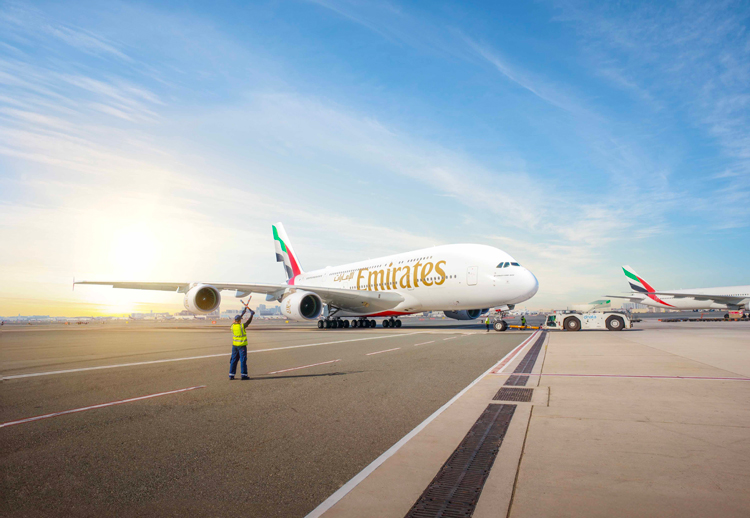





The Group has announced a dividend of AED 3.5 billion (US$ 1.0 billion) to its owner, the Investment Corporation of Dubai (ICD).
The UAE corporate tax rate applied to the Emirates Group rose from 9% to 15% this year following the implementation of Pillar Two tax regulations in the country. After accounting for this increased tax charge, the Group reported a profit after tax of AED 21.0 billion (US$ 5.7 billion), representing a 3% increase compared to 2024–25.
His Highness Sheikh Ahmed bin Saeed Al Maktoum, Chairman and Chief Executive of Emirates airline and the Emirates Group, stated that the results reflect the strength and resilience of the Group’s business model despite significant challenges in the final month of the financial year. He noted that the Group’s foundation is built on safety, excellence, innovation, people, and partnerships.
He added that the first 11 months of 2025–26 had been highly positive, with strong demand driving revenue growth and healthy margins supported by continued investment in products, people, technology, and brand. He also said the Group consistently exceeded its targets month after month.
However, he highlighted that on 28 February, military activity caused major disruption to global commercial air traffic in the Gulf region, including the UAE. Emirates and dnata responded quickly by supporting employees and affected customers, safeguarding assets, and maintaining business continuity.
He further noted that Dubai’s strong infrastructure and integrated aviation ecosystem enabled the swift restoration of safe flight corridors. While operations at Dubai International Airport (DXB) have gradually resumed, passenger capacity remains below pre-disruption levels. In contrast, cargo operations have increased significantly to ensure the continued movement of essential goods into and through the UAE.
Sri Lanka and Pakistan Boost Trade Ties Through Enhanced Business Engagement
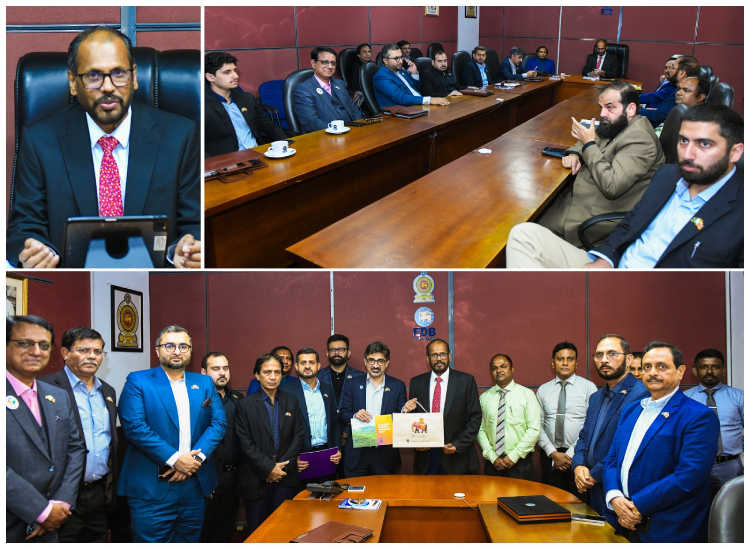
A productive business meeting was held on 6 May 2026 at the premises of the Sri Lanka Export Development Board (EDB) in Colombo between a delegation from the Karachi Chamber of Commerce and Industry (KCCI) and Sri Lankan trade representatives, reinforcing the long-standing economic partnership between Sri Lanka and Pakistan.
The meeting was chaired by Mangala Wijesinghe and attended by Muhammad Raza, along with members of the KCCI delegation, officials from the Federation of Chambers of Commerce and Industry of Sri Lanka, and representatives of the SAARC Chamber of Commerce and Industry.
Welcoming the delegation, the EDB Chairman highlighted the historic ties and expanding economic cooperation between Sri Lanka and Pakistan. He also underscored the significance of the Sri Lanka–Pakistan Free Trade Agreement signed in 2005, noting that it was Pakistan’s first bilateral FTA and continues to play a key role in strengthening trade relations between the two countries.
Discussions focused on the potential to further expand bilateral trade through stronger private sector engagement, improved trade facilitation, better utilization of the FTA framework, and enhanced business-to-business collaboration.
The meeting concluded on a positive note, with both sides expressing confidence in deepening trade relations and strengthening long-term economic cooperation between Sri Lanka and Pakistan.
Emirates Group posts record AED 24.4 billion (US$ 6.6 billion) profit for 2025–26