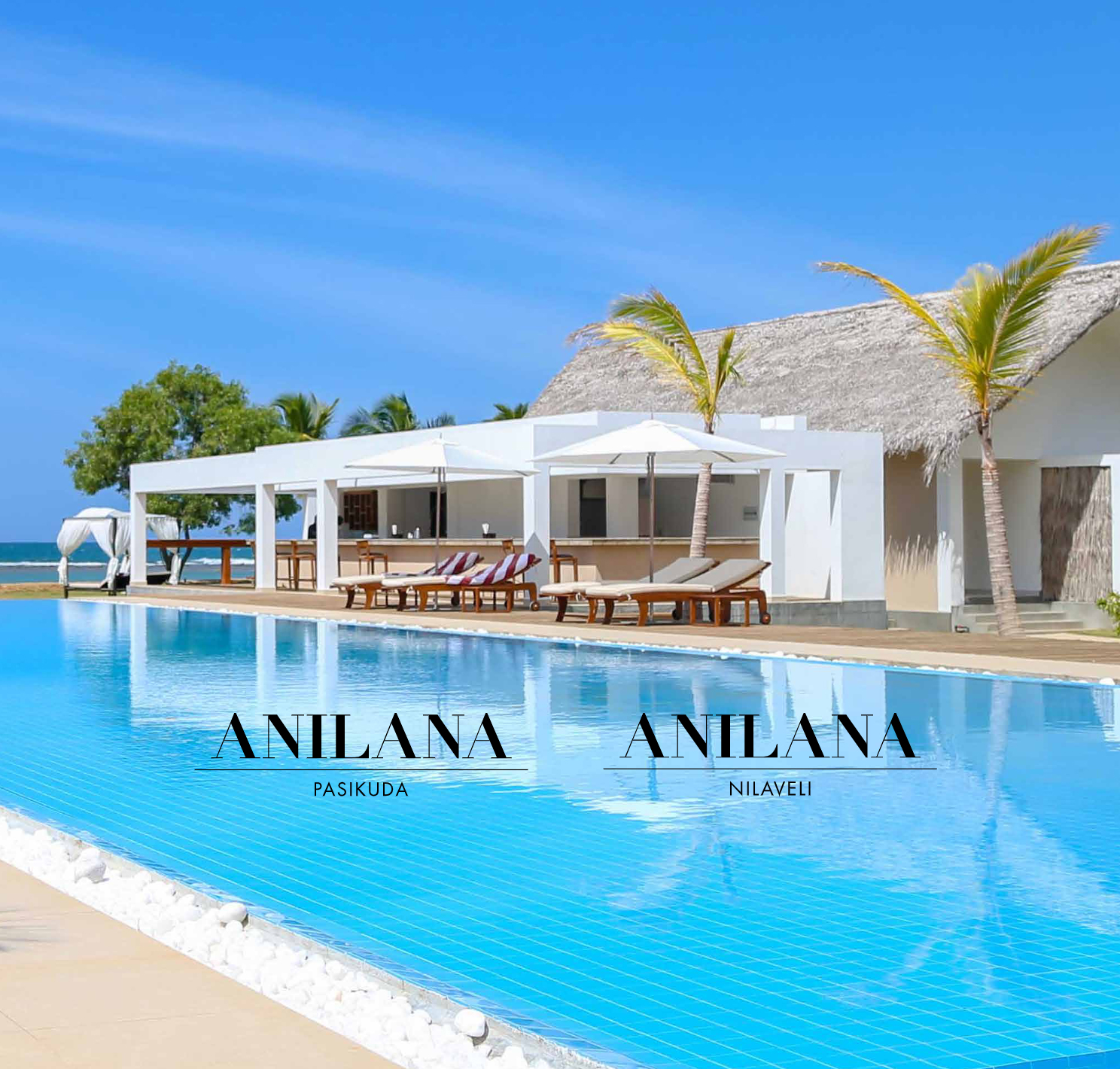





Anilana Hotels and Properties PLC has informed the Colombo Stock Exchange (CSE) that its hotel properties in Nilaveli, Trincomalee, and Pasikuda have been acquired by Sampath Bank PLC under the provisions of the Recovery of Loans by Banks (Special Provisions) Act No. 04 of 1990.
In a disclosure dated September 11, 2026, addressed to the Chief Regulatory Officer/Chief Executive Officer of the CSE, Anilana Hotels said it had received a letter from Sampath Bank on September 1, 2026, dated August 31, confirming the acquisition of the properties.
The takeover takes place while legal proceedings initiated by Anilana Hotels remain ongoing.
The company previously filed two cases before the Commercial High Court, identified as CHC 98/25/MR and CHC 99/25/MR, challenging the resolution adopted by Sampath Bank to acquire the properties.
According to the company’s disclosure, both cases are currently before the Supreme Court on appeal, under case numbers SC/HCLA/115/26 and SC/HCLA/116/26.
Rs. 1.2 Billion Offer Submitted
Separately, Anilana Hotels has filed an application seeking a compromise under the Companies Act No. 07 of 2007, under Case No. CHC 60/2026/CO.
The company informed the Commercial High Court that a prospective investor had offered Rs. 1.2 billion for the hotel properties as part of a proposed settlement with Sampath Bank.
Following the submission, the Commercial High Court has issued notice to Sampath Bank regarding the matter.
Anilana Hotels said that if a compromise is successfully reached between the company and the bank before the Commercial High Court, it will make the relevant disclosures to the market.
The company’s latest disclosure therefore places the acquisition of the two hotel properties alongside ongoing court proceedings and a separate proposed settlement process.
DFCC Bank’s Future Ready Sri Lanka Forum Examines the Country’s Economic Outlook
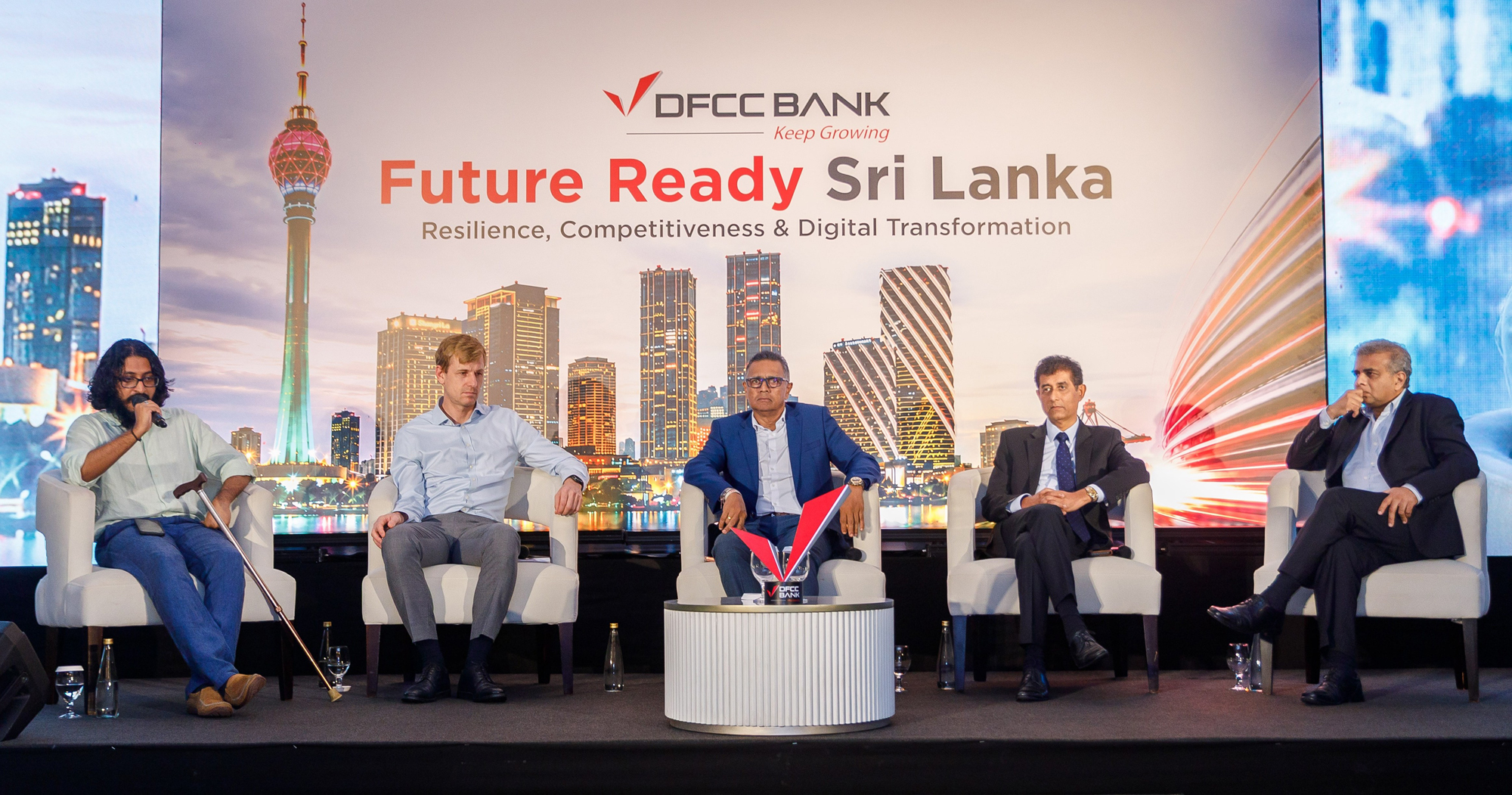
DFCC Bank recently hosted the Future Ready Sri Lanka: Resilience, Competitiveness and Digital Transformation forum, bringing together senior figures from the fields of economics, investment, digital government and banking to discuss the priorities facing Sri Lanka as the country moves from economic stabilisation towards sustainable growth.
The event featured a keynote presentation by Gregory Smith, IFC Manager for Country Advisory and Economics in South Asia, followed by a panel discussion involving Dr Hans Wijayasuriya, Chief Advisor to the President on Digital Economy and Chairman of GovTech Sri Lanka; Duminda Hulangamuwa, Chairman of the Board of Investment of Sri Lanka; and Thimal Perera, Director and Chief Executive Officer of DFCC Bank PLC. The session was moderated by Chayu Damsinghe, Head of Macroeconomic Advisory at Frontier Research.
Maintaining Stability Amid Global Uncertainty
Smith acknowledged the improvements recorded by Sri Lanka following its economic crisis, pointing to developments including stronger government revenue, improved foreign reserves, more stable inflation and a recovery in private-sector lending.
However, he stressed that economic stability alone does not necessarily provide long-term resilience. He noted that Sri Lanka is approaching a period of increased debt repayments while continuing to face uncertainty arising from global energy markets, trade conditions and geopolitical developments.
“There will be shocks. There will be big shocks,” Smith said, posing a central question for policymakers and businesses: “How do we survive 2030?”
Among the areas he identified as important for strengthening Sri Lanka’s economic resilience were proactive debt management, access to international capital markets at sustainable costs, restoring a strong single-B credit rating, scaling up renewable energy and safeguarding the fiscal improvements achieved in recent years.
He also referred to the experiences of countries including India, Vietnam, Georgia and Armenia, highlighting how differences in economic policy and execution can influence the pace at which countries improve their competitiveness.
Removing Barriers to Investment and Growth
The panel discussion examined some of the practical challenges that continue to affect investment and business expansion in Sri Lanka.
Duminda Hulangamuwa highlighted the complexity and lengthy timelines associated with obtaining investment approvals. He noted that a tourism development project can require clearances from approximately 18 government institutions, while obtaining government land or completing a major tender process can take around two years.
He also stressed the importance of developing an export-oriented economy rather than relying predominantly on domestic demand.
“If you sell to 22 million people, we cannot grow more than 3% to 4%. We have to sell to the world,” Hulangamuwa said.
Sampath Bank Takes Control of Anilana’s Pasikuda and Nilaveli Hotel Properties